A Corfù per la Pasqua ortodossa
14 maggio 2026
- ENGLISH VERSION BELOW -
Dopo Agios Stefanos andiamo a ripararci per un paio di giorni a Ormos Pagania per aspettare che cali una botta di vento da NE: la baia si trova alla fine di un “fiordo” che fa una curva a gomito e quindi offre protezione a 360°. L’ancoraggio è pure bello, peccato per gli allevamenti ittici all’ingresso. Comunque siamo soli e passiamo qualche giorno tranquillo.
La nostra prossima tappa è la città di Corfù. Complice il meteo favorevole, riusciamo a far combaciare la nostra permanenza con i festeggiamenti per la Pasqua ortodossa il secondo fine settimana di aprile.
Gli abitanti di Corfù hanno infatti una tradizione molto particolare: Sabato Santo alle 11:00 al rintocco delle campane della Cattedrale, gli abitanti lanciano dalle finestre le Botides, delle anfore di terracotta piene d’acqua. Per non rischiare incidenti le finestre da cui vengono lanciate le Botides sono contrassegnate da un drappo rosso, ma sono dissiminate per tutta la città e anche le persone in strada ne lanciano a terra, quindi in pochi minuti le viuzze si riempiono di cocci che però vengono prontamente spazzati ai lati dai negozianti e dagli abitanti per poter permettere alle bande musicali cittadine di marciare animando la festa con la loro musica. Ci sono più di 20 bande sinfoniche che sfilano per tutta la mattinata, ognuna con i suoi colori distintivi.


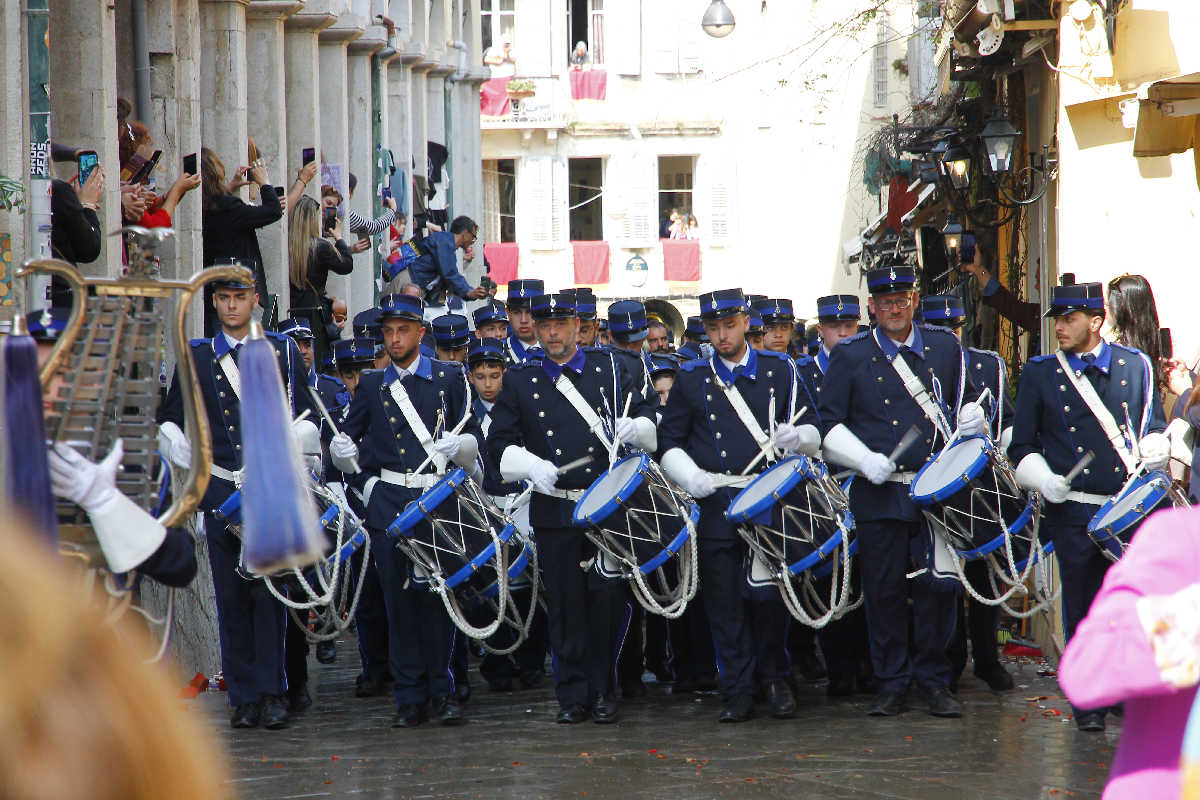
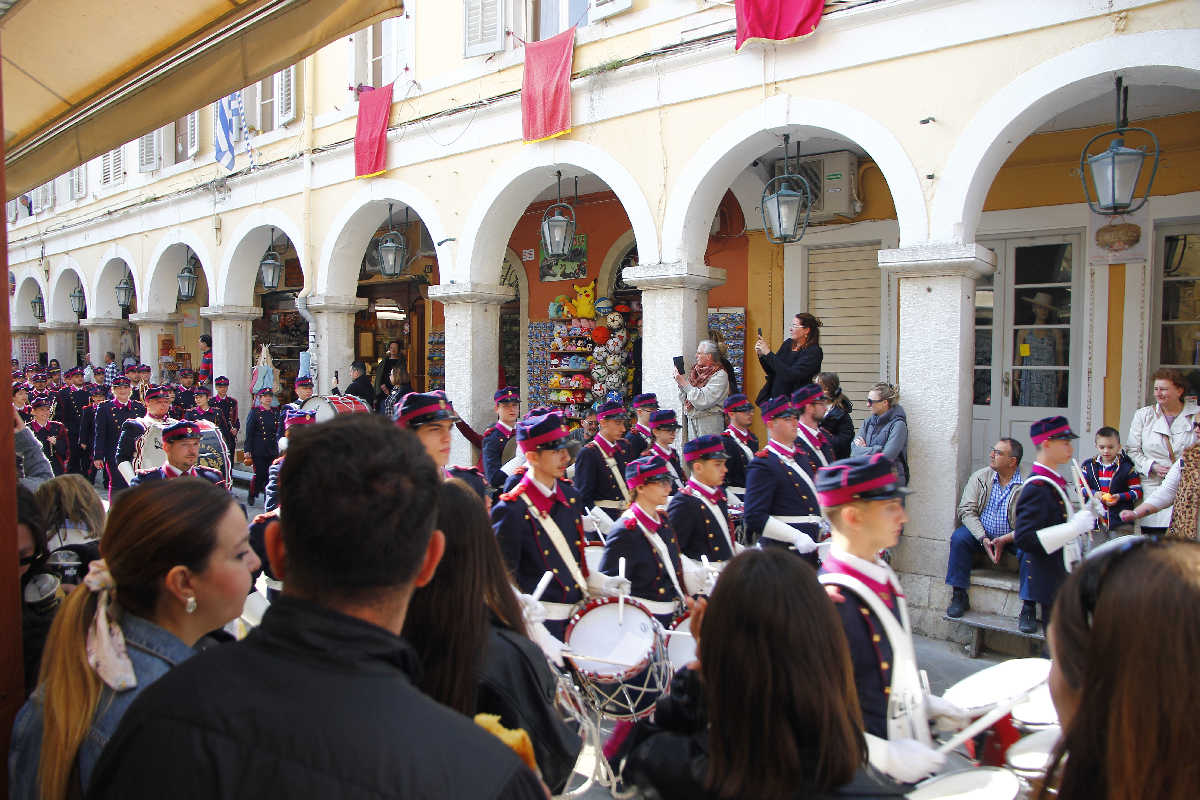
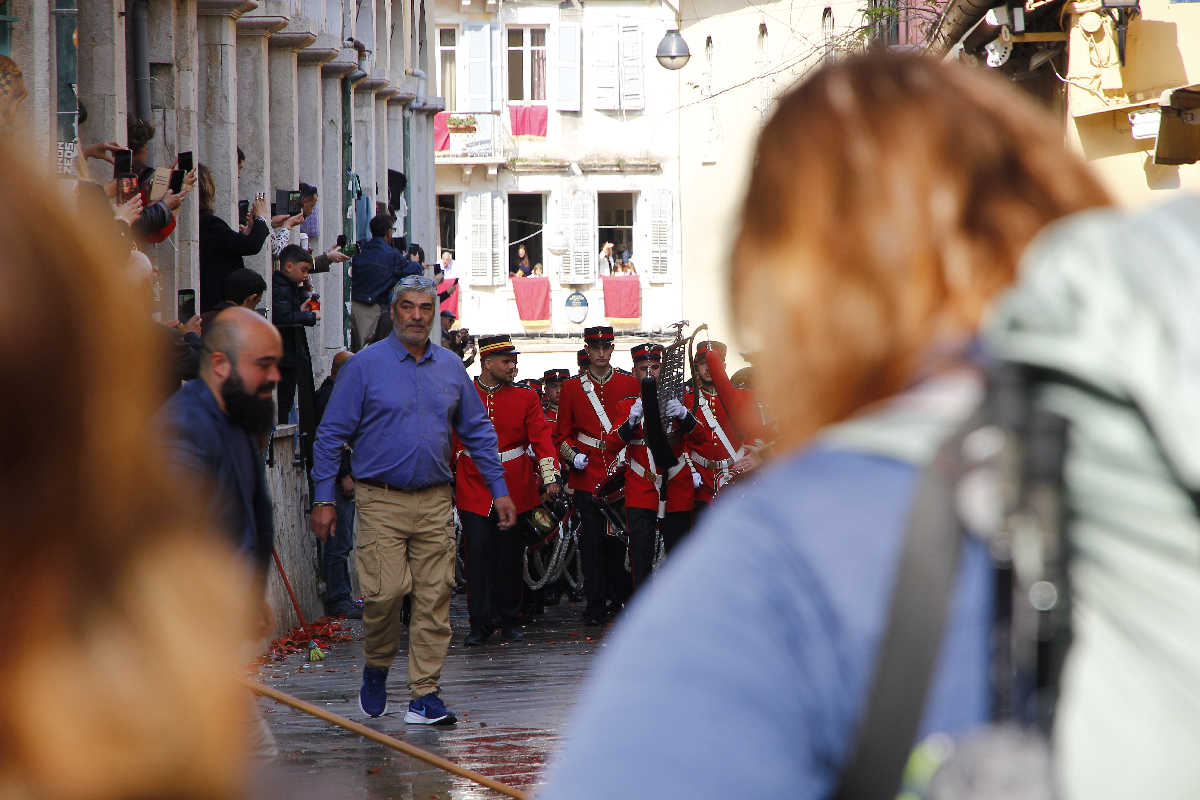
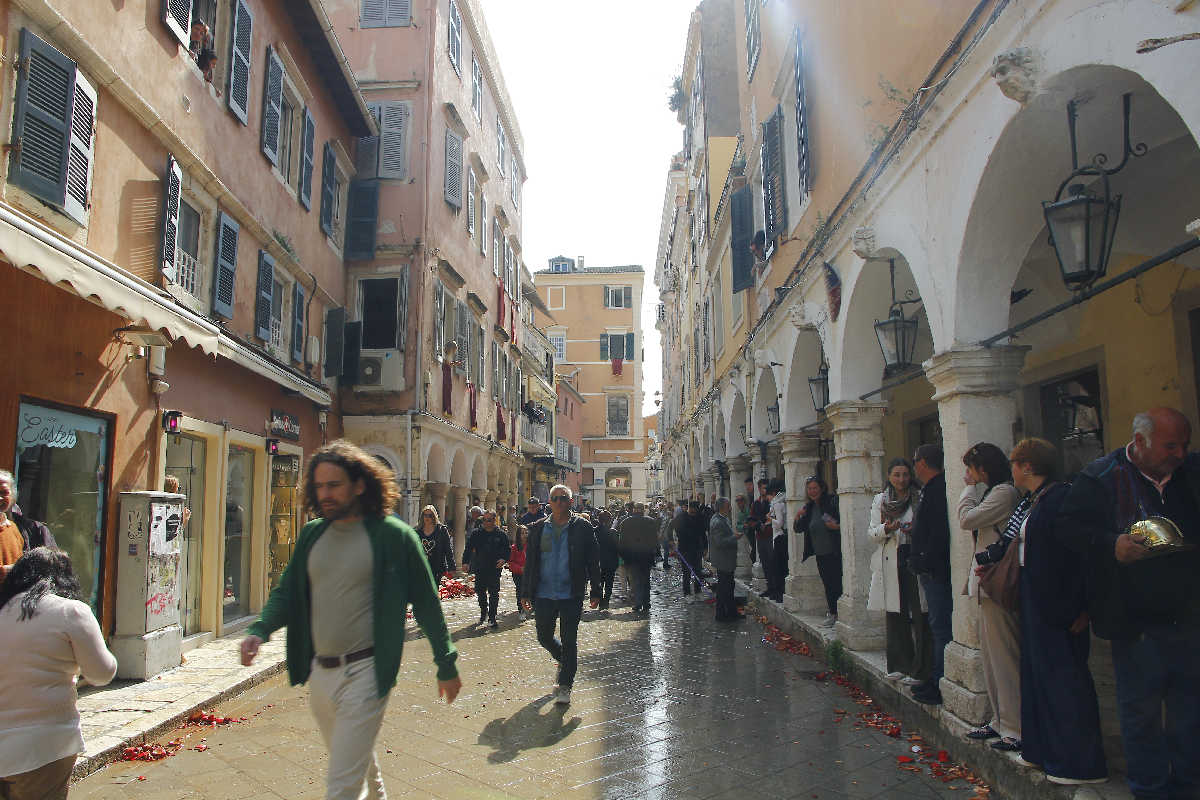
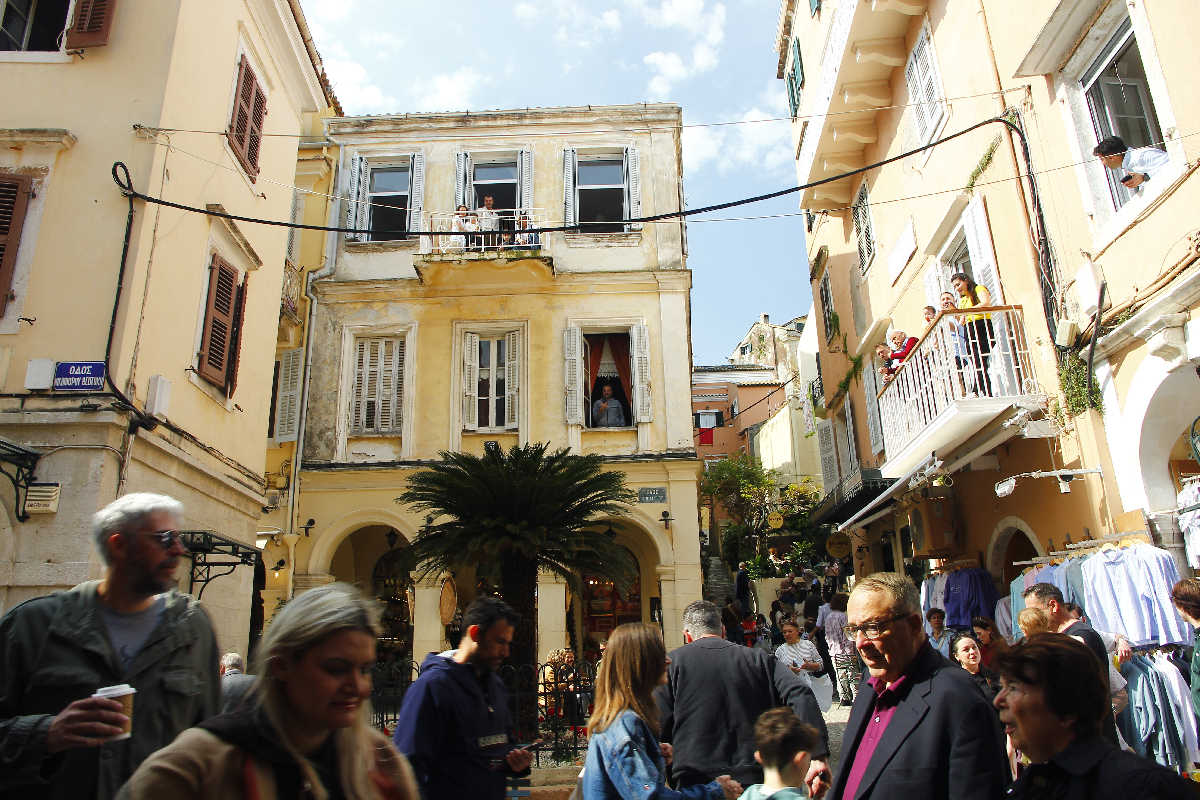

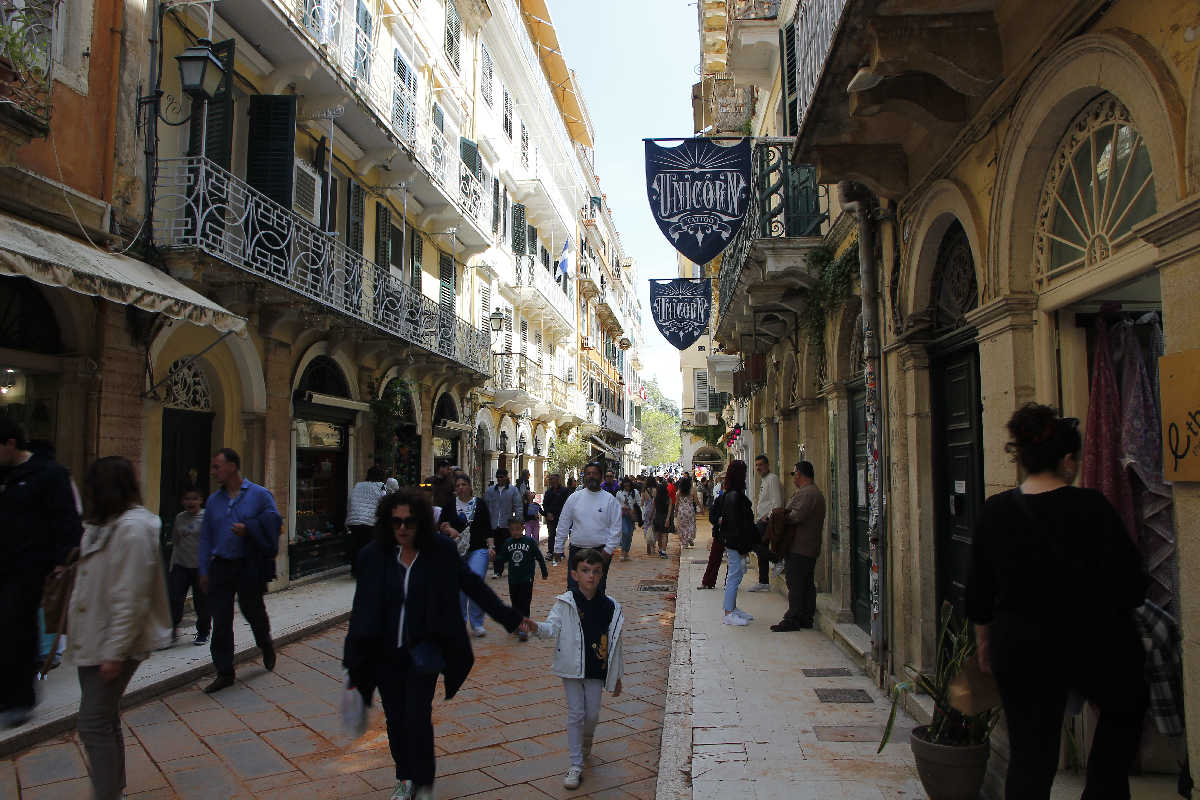

I posti con la migliore vista sulla festa nelle strade di Corfù
L’origine del lancio delle Botides è dibattuta: forse è una rivisitazione della tradizione di Capodanno portata dai Veneziani di lanciare dalla finestre le cose vecchie all’inizio dell’anno nuovo, spostandola alla festa più importante del calendario ortodosso, rifacendosi al simbolismo religioso della Resurrezione che squarcia il male con la vittoria della vita sulla morte, mentre alcuni sostengano sia legata a riti antichi in cui si rompevano le vecchie anfore per fare spazio al nuovo raccolto con l’arrivo della primavera e la conseguente uscita dal letargo invernale. Probabilemente un po’ tutte e due. Per noi è stato comunque molto bello vivere una tradizione locale animata da tanti corfioti e visitatori principalmente greci: non era sicuramente uno spettacolo artificiale messo in piedi per i turisti!
Siamo anche riusciti ad assaggiare qualche piatto tipico della Pasqua: dei gustosissimi involtini di carne di agnello al forno e la “fugaza”, il cui nome fa pensare alla focaccia pasquale veneta, ma che in realtà è un dolce di pastafoglia ripieno di crema e cannella!
Nei giorni successivi abbiamo assoporato la città di Corfù con più tranquillità e meno gente. La città vecchia è molto bella e invita a perdersi nei stretti vicoli girovagando senza meta. La città vecchia è sovrastata da ben due fortezze veneziane, di cui la più vecchia e scenica occupa uno sperone di roccia che si protende nel mare ed è separata dall’abitato da un ampia spianata che era la piazza d’armi e ospita molti elementi aggiunti dagli inglesi nell’Ottocento.
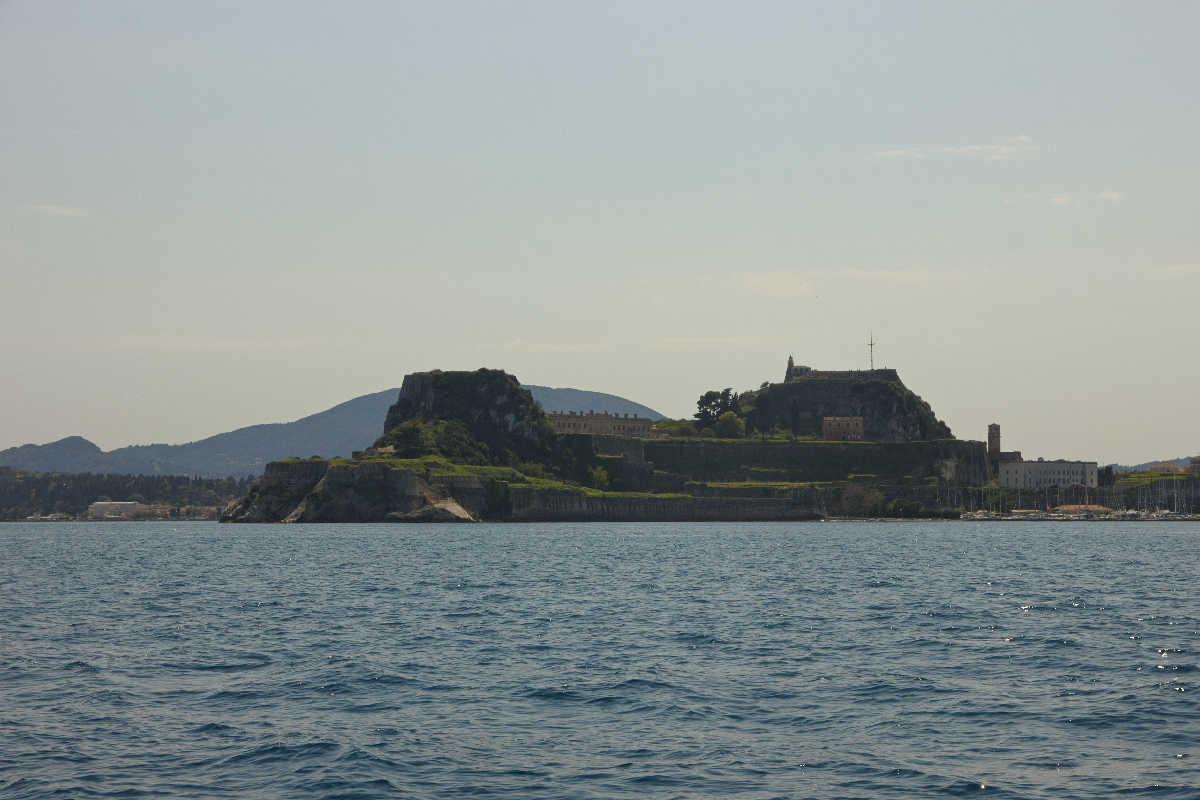
La fortezza Vecchia vista dal mare.

Alla base del bastione si vede il canale scavato dai Veneziani per separare la fortezza dalla città.

La Chiesa di San Giorgio, costruita dai Veneziani nello stile di un tempio greco, è l'unica di questo genere in Grecia.
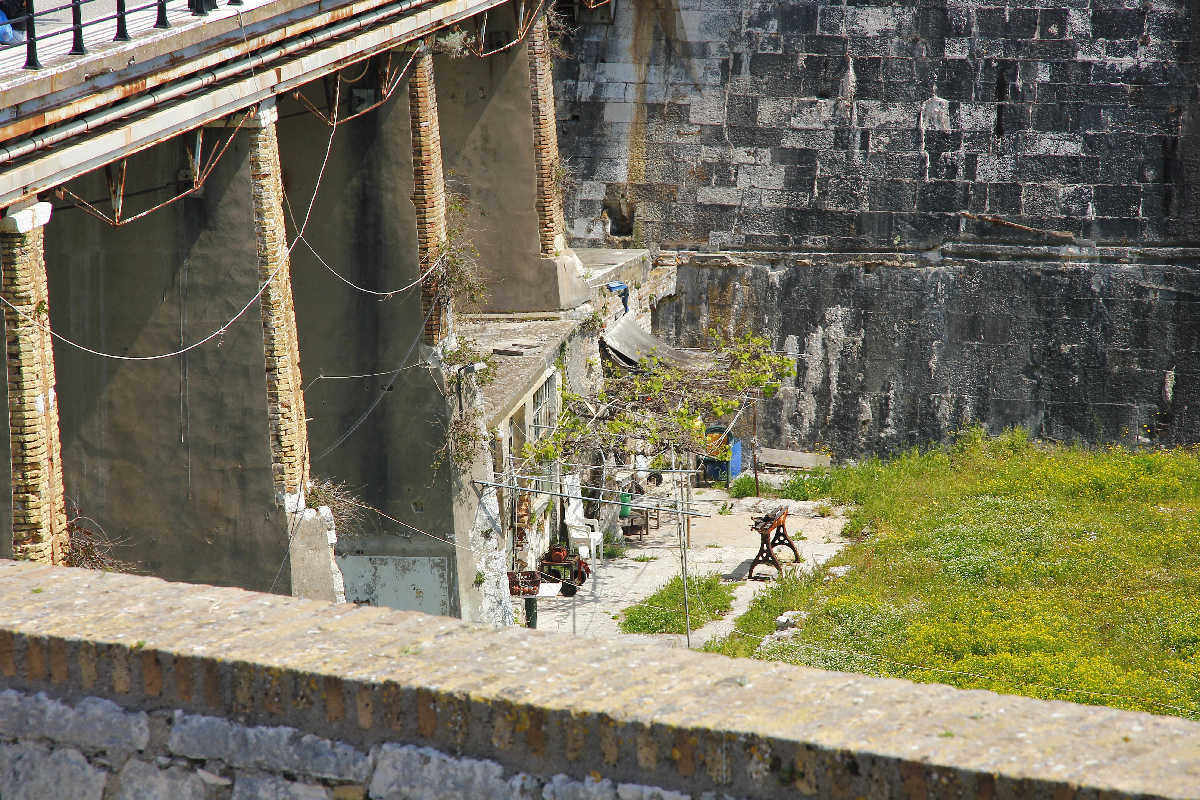
A quanto pare qualcuno abita alla base del ponte che unisce la fortezza al resto della città.

La fortezza Nuova è stata ampliamente modificata dagli inglesi, ma il Leone di Venezia è rimasto al suo posto.
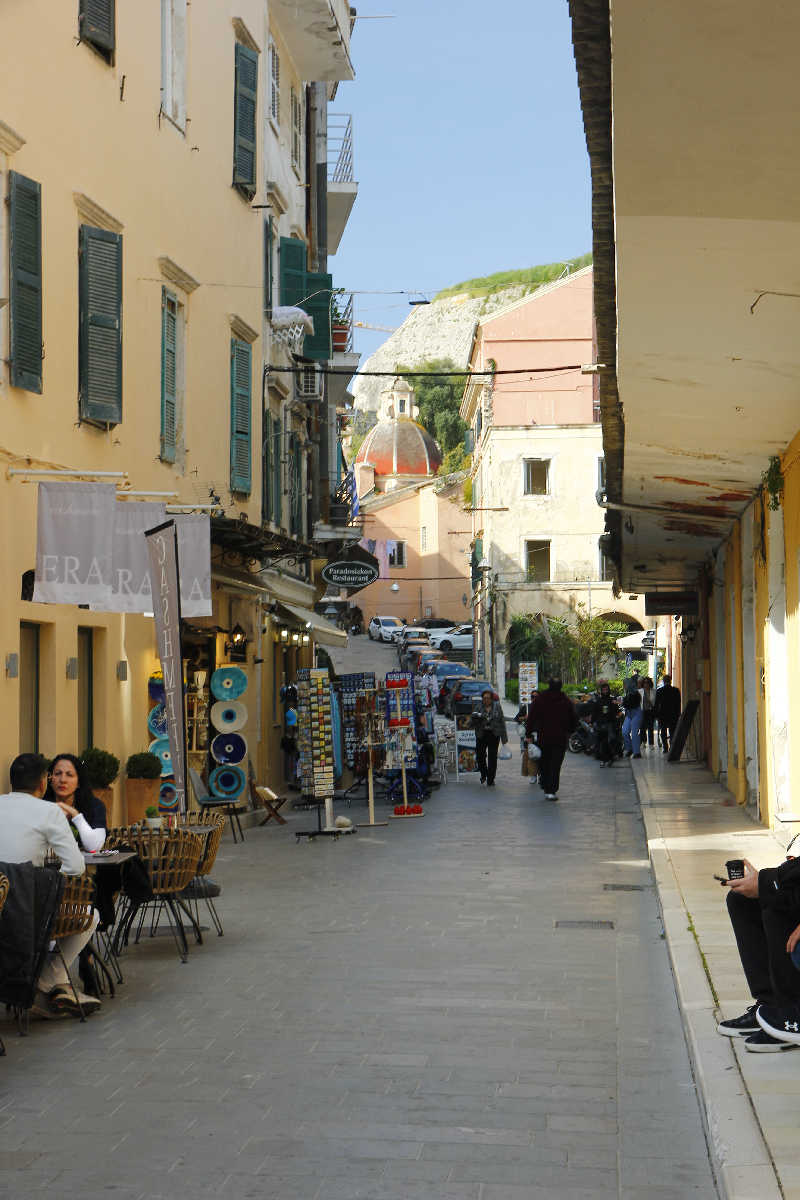
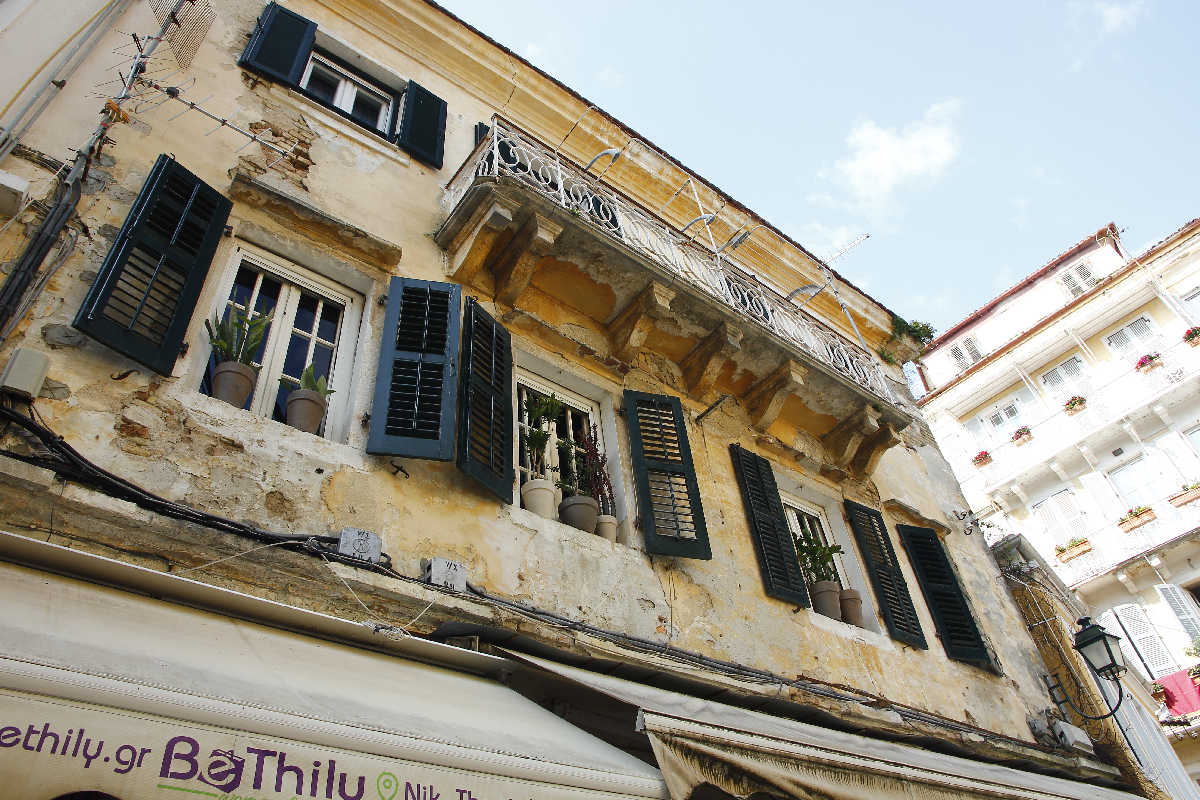

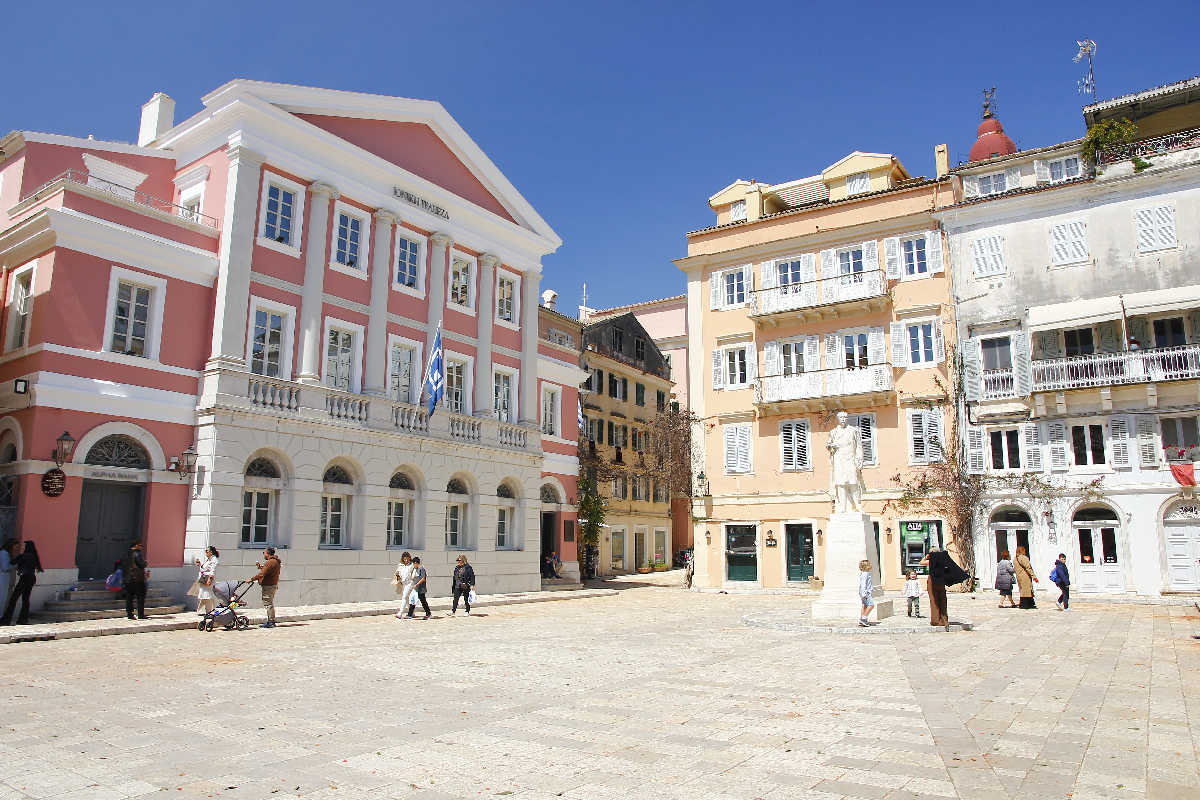
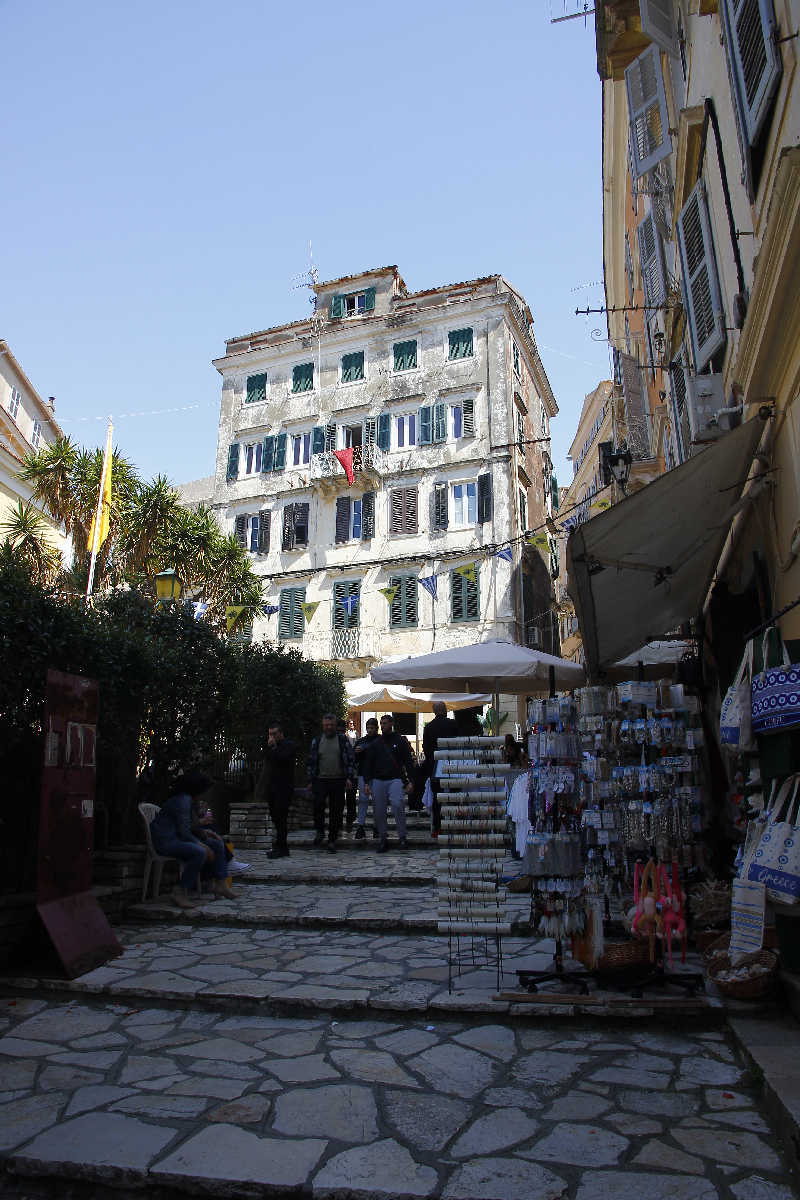

C’è poi una parte con bei palazzi e larghi viali eretta nel breve periodo di dominazione napoleonica.
Alla fine di questa zona ci imbattiamo nel sito archeologico escavato a metà '800 e che ha portato alla luce una serie di tombe del VII – VI secolo a.C. tra cui la meglio conservata è la tomba di Menecrate (se ne conosce il nome grazie alle incisioni sulla parete esterna della struttura circolare).
La camminata lungo il mare fino al mulino alla fine della baia di Garitza, è ben tenuta e con dei bei parchi che complici le festività pasquali sono affollati di famiglie corfiote. Dietro alla linea del parco continuano i quartieri più periferici con graziosissime vecchie case ben tenute che inglobano numerose chiese antiche.
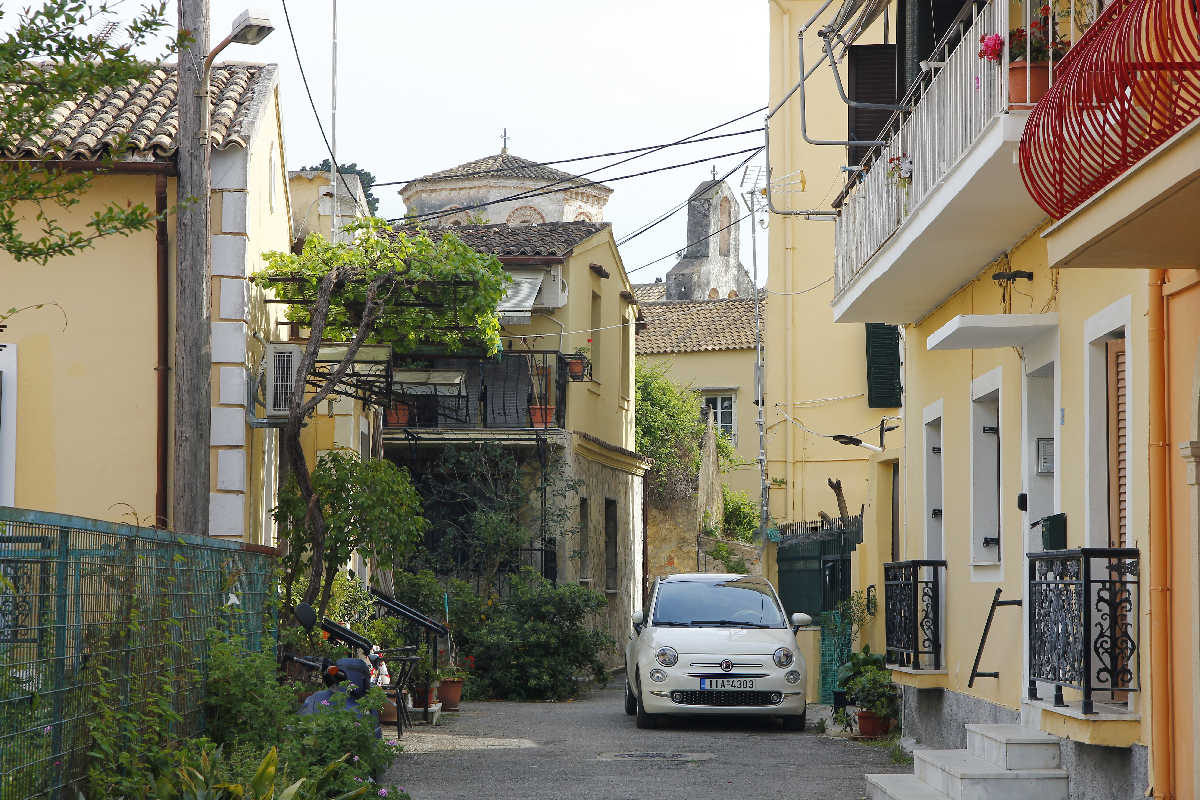
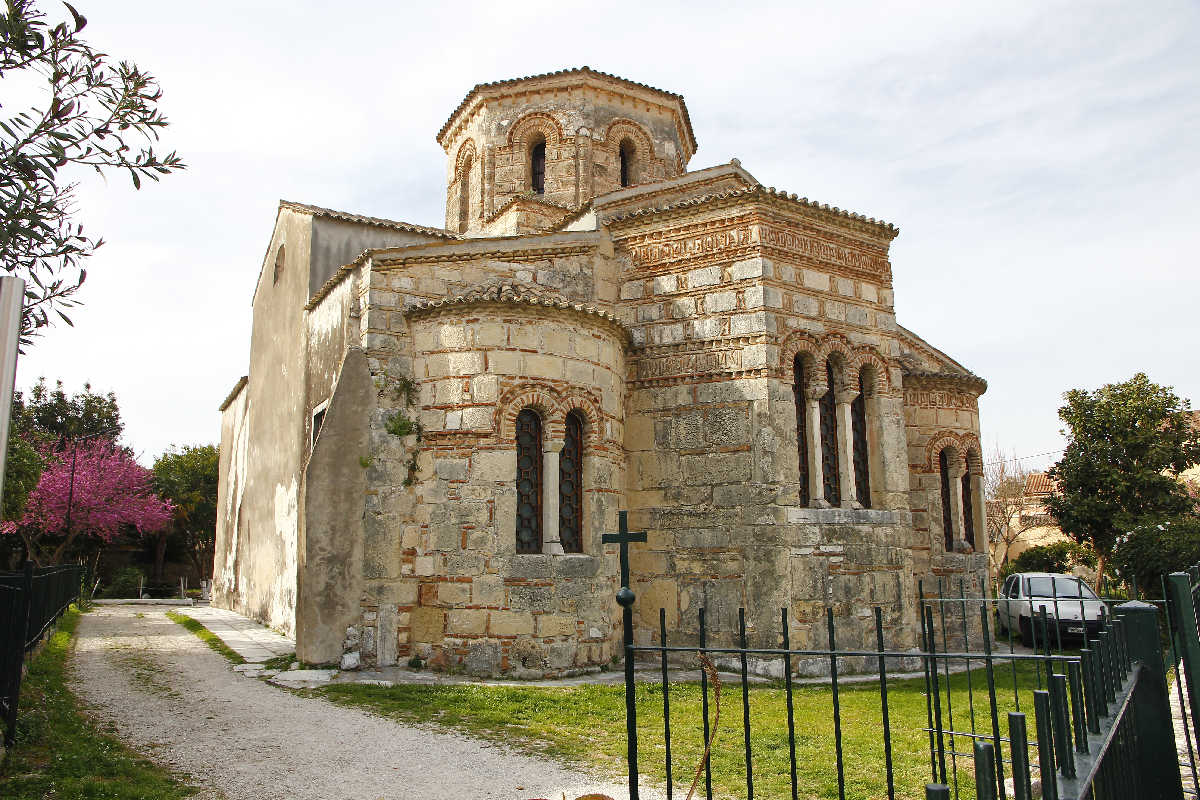
La Chiesa dei Santi Apostoli Giasone e Sosipatro, costruita intorno l'anno 1000, è la chiesa più antica della città. Sorge sulle rovine di un tempio precedente e parti delle pareti inferiori sono costruite con pietre provenienti dall'antica città di Paleopolis. L'interno ospita le tombe dei santi ed espone affreschi risalenti all'XI e al XIV secolo.
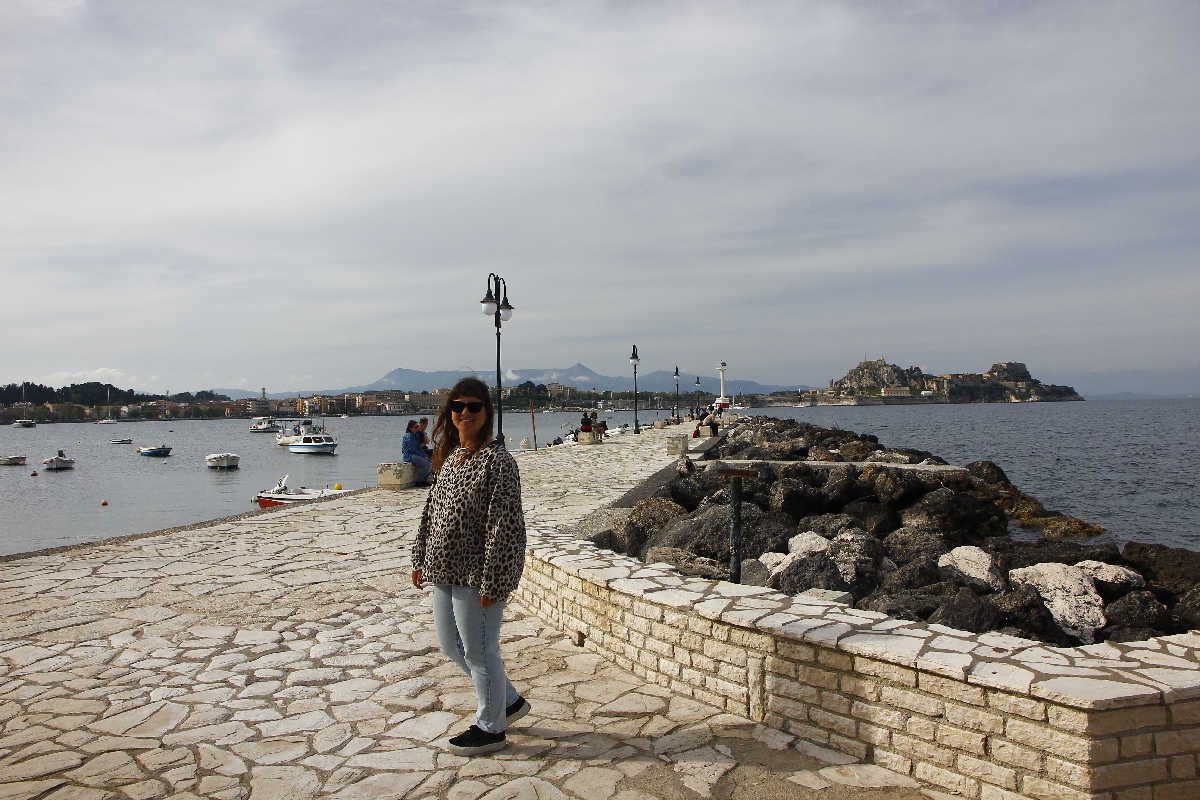
Vista della baia di Garitsa con la fortezza vecchia sullo sfondo
Dopo 5 giorni il meteo ci costringe a partire (e per di più di buon ora e dopo un risveglio non proprio piacevole dovuto alle onde) e per l’ennesima volta attraversiamo il canale di Corfù per andare in un ancoraggio ben protetto sulla terra ferma appena sopra la città di Igoumenitsa.
In Corfu for Orthodox Easter
14 May, 2026
After Agios Stefanos we sheltered for a couple of days in Ormos Pagania to wait for a strong NE wind to drop: the bay is at the end of a "fjord" that makes a sharp bend and therefore offers 360° protection. The anchorage is also nice, too bad for the fish farms at the entrance. But we were alone and had a quiet few days.
Our next stop was the city of Corfu. Thanks to the favourable weather, we managed to be there at the time of the Orthodox Easter on the second weekend of April.
In fact , Corfu has a very intresting tradition: on Holy Saturday at 11:00 am at the tolling of the bells of the Cathedral, the inhabitants throw the Botides, terracotta amphorae full of water, out of the windows. In order not to risk accidents, the windows from which the Botides are thrown are marked with a red cloth, but they are all over the city and also the people on the street throw little botides to the ground, so in a few minutes the alleys are filled with shards that, however, are promptly swept aside by the shopkeepers and the inhabitants in order to allow the town's synphonic bands to march animating the party with their music. There are more than 20 symphonic bands parading throughout the morning, each with its own distinctive colors.
The best spots to watch the celebrations in the streets.
The origin of the Botides is debated: perhaps it is a reinterpretation of the New Year tradition brought by the Venetians of throwing old things out of the windows at the beginning of the new year, moving it to the most important celebration of the Orthodox calendar, referring to the religious symbolism of the Resurrection casting out of evil, the win of life over death, while some argue it is linked to ancient rites in which the old amphorae were broken to make room for the new harvest with the arrival of spring at the end of the winter lethargy. It is probably a little bit of both. For us , however, it was very nice to live a local tradition animated by many Corfiots and mainly Greek visitors: it was certainly not an artificial spectacle set up for tourists!
We also managed to taste some typical Easter dishes: delicious rolls of baked lamb meat and "fugaza" a sweet pastry filled with custard and cinnamon.
In the following days we enjoyed a quieter town of Corfu with fewer people. The old city is very beautiful and invites you to get lost in the narrow alleys. The old city is dominated by two Venetian fortresses, the oldest and most scenic of which occupies a spur of rock that juts out into the sea and is separated from the town by a wide esplanade that was the main square of arms, later enriched by the British during their rule of Corfu in the 1800s.
View of the Old Fortress from the sea.
At the base of the bastion’s walls, you can see the canal dug by the Venetians to separate the fortress from the town.
The Church of St George, built by the Venetians in the style of a Greek temple, is the only one of its kind in Greece.
Apparently, someone lives at the foot of the bridge connecting the fortress to the rest of the town.
The New Fortress has been extensively altered by the British, but the Lion of Venice remains in its place.
Then there is a part with beautiful buildings and wide avenues erected in the short period of Napoleon's domination.
At the end of this area we came across the archaeological site excavated in the mid-800s and which has brought to light a series of tombs from the seventh to sixth centuries BC, among which the best preserved is the tomb of Menecrates (its name is known thanks to the engravings on the outer wall of the circular structure).
The walk along the sea to the mill at the end of the bay is well maintained and with beautiful parks that, thanks to the Easter festivities, are crowded with Corfiot families. Behind the line of the park continue the most peripheral neighborhoods with very nice old well-maintained houses that incorporate numerous ancient churches.
The Church of Saints Jason and Sosipater, built around the year 1000, is the oldest church in the city. It stands on the ruins of an earlier temple, and parts of its lower walls are built with stones from the ancient city of Paleopolis. The interior houses the saints’ tombs and features frescoes dating from the 11th and 14th centuries.
View of the Bay of Garitsa with the Old Fortress in the background.
After 5 days the weather forced us to leave (at the first light of dawn and after an unpleasant awakening due to the swell) so we crossed the Corfu Channel once again to sail to a well protected anchorage on the mainland just above the city of Igoumenitsa.