Inizia la stagione
9 maggio 2026
- ENGLISH VERSION BELOW -
Con l’avvicinarsi della fine di marzo sta per finire la nostra pausa invernale. Ancora una volta ci prepariamo a cambiare drasticamente le nostre routine e abitudini che inevitabilmente si sviluppano quando si sta per 5 mesi nello stesso posto. Quanto presto si fa a crearsi “casa”!
Anche stavolta è un misto di emozioni come ogni volta in cui si lascia ciò che si conosce per abbracciare l’incertezza dell’essere sempre in movimento, nelle mani del meteo e fuori dalla sicurezza del porto. Ma questo è anche il brivido dell’avventura che necessariamente contiene tutte queste sensazioni contrastanti.
Il mese di marzo era iniziato con un buon meteo dando finalmente tregua all’alternarsi incessante di forte Maestrale e Scirocco che hanno caratterizzato la nostra permanenza a Brindisi facendoci ben sperare per l’avvio della nostra stagione di crociera. Invece proprio le ultime due settimane del mese il meteo è cambiato per il peggio con pioggia e forte vento sparigliando ancora una volta i nostri programmi.
L’unica certezza è la scadenza del nostro contratto con il marina e la nostra scarsa inclinazione a prolungarlo visto che da aprile si passa alla tariffa estiva con un importante aumento del prezzo.
Così il 30 marzo approfittiamo di un giorno di transizione tra due perturbazioni per raggiungere il porto di San Foca, 31 miglia a sud di Brindisi. Il vento soffia ancora oltre i 20 nodi e il mare è formato, ma la tendenza è a migliorare nel corso della giornata. Il personale del marina è un po’ sorpreso, ma siamo consapevoli di poter affrontare in sicurezza queste condizioni.
Abbiamo mare e vento perfettamente di poppa e proviamo una configurazione velica inedita: navighiamo con trinchetta e genoa a farfalla e senza randa. Completiamo la tratta in 5 ore con una media di oltre 6 nodi e le occasionali surfate negli incavi delle onde a 8 nodi.

Lilith con le vele di prua a farfalla.
Inoltre abbiamo testato con successo il nuovo pilota automatico che abbiamo installato durante l’inverno che si rivela un miglioramento importante rispetto a quello che avevamo prima, che in qualche occasione ci aveva dato qualche malfunzionamento togliendoci un po’ di fiducia nella sua affidabilità. Il nuovo autopilota, oltre ad avere molti più sensori che leggono non solo la prua magnetica (bussola) ma anche inclinazione, rollio e beccheggio della barca, si integra perfettamente con il sistema cartografico open-source (OpenCpn) che gestisce la navigazione e la raccolta di tutti i dati dai vari sensori di Lilith.
A San Foca rimaniamo per altri 7 giorni aspettando una finestra meteo per attraversare. Qui paghiamo solo 13 euro a notte rispetto ai 45 che avremmo pagato se fossimo rimasti a Brindisi. Ne approfittiamo per qualche altra esplorazione in bici dell’entroterra salentino e qualche chiacchierata e scambi di esperienze con Gabriele, il nostro vicino di barca che vive anche lui a bordo.

Il palazzo di baronale D'Amely a Melendugno.

L'abbazia di San Niceta a Melendugno.


La porta d'ingresso di Acaya. A seguire le foto del castello e della piazza centrale di questo bellissimo paesino fortificato da Gian Giacomo d'Acaya che avevamo già menzionato nel nostro post su Lecce. Sotto la piazza si trovano serbatoi e magazzini per permettere alla citta di resistere in caso di assedio.


Finalmente il 6 aprile possiamo partire: destinazione Erikoussa!
Abbiamo 61 miglia (circa 113 km) da percorrere per raggiungere questa piccola isola greca, la più settentrionale delle isole Diapontine.
Alle 0400 siamo per mare e l’alba offre uno spettacolo incredibile: le montagne albanesi grazie al contrasto del sole che deve ancora sorgere si stagliano maestose davanti a noi e sembrano incredibilmente vicine.
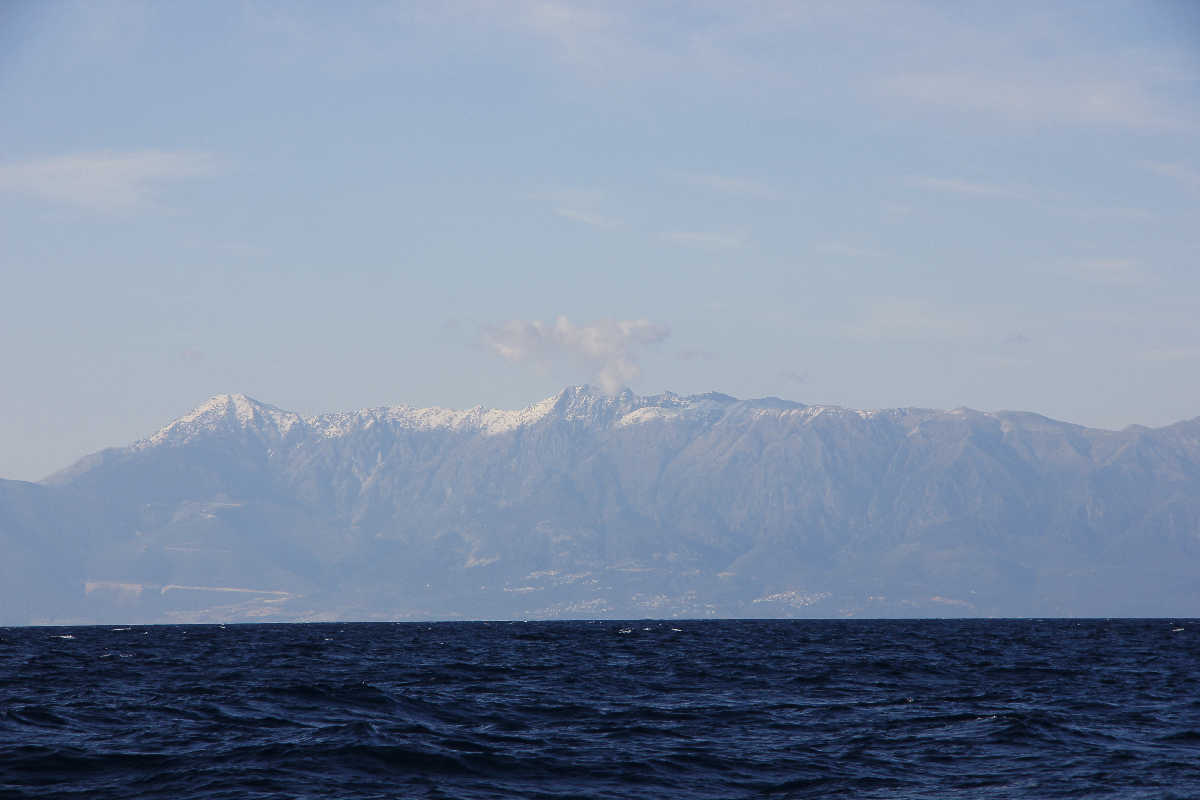
La vista delle montagne innevate dell'Albania ha accomagnato gran parte della nostra traversata.
Dopo 13 ore di navigazione, condite dall’avvistamento di delfini, una tartaruga marina e persino un capodoglio (la nostra prima volta), arriviamo nella bellissima e tranquillissima baia nella parte meridionale dell’isola di Erikoussa. La baia è perfettamente riparata dal vento predominante e dalle onde da NO ed è un lago dall’acqua cristallina, perfetto per il primo tuffo della stagione e una meritata notte di riposo.

Erikoussa in vista!
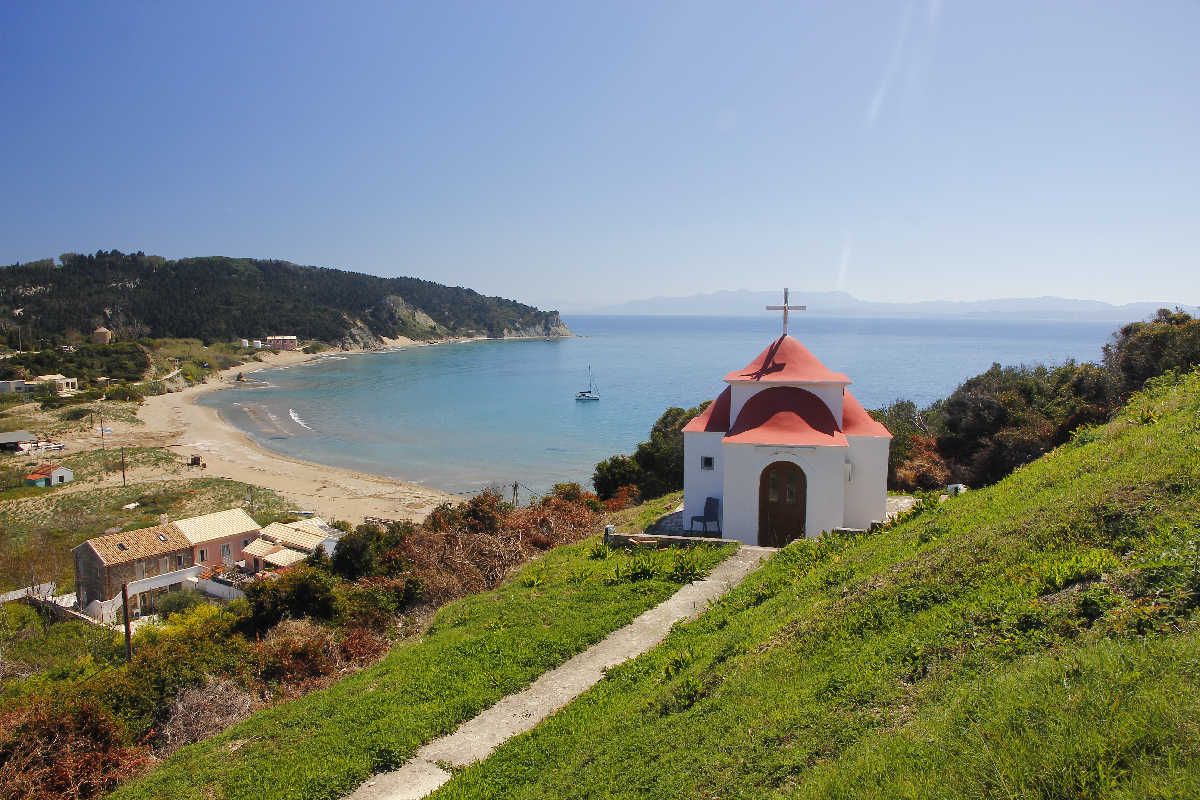
Lilith nella tranquilla baia di Erikoussa è al sicuro fin che esploriamo l'isola.
L’indomani facciamo il giro di tutta l’isola a piedi e possiamo ammirare le varie facce di questa remota e tranquillissima isola (per lo meno in questa stagione: parlando con una coppia di velisti che hanno deciso di comprare una casa qui, in agosto anche qui il turismo comincia a portare molta gente).
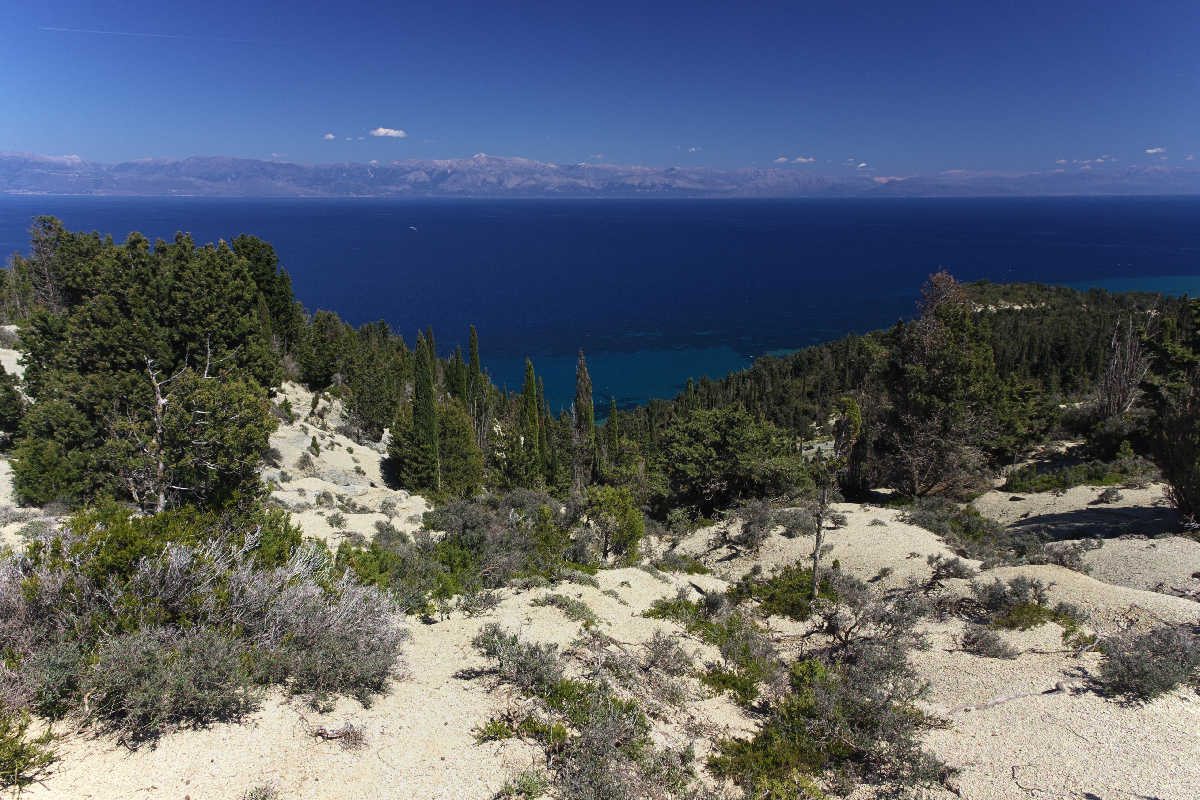
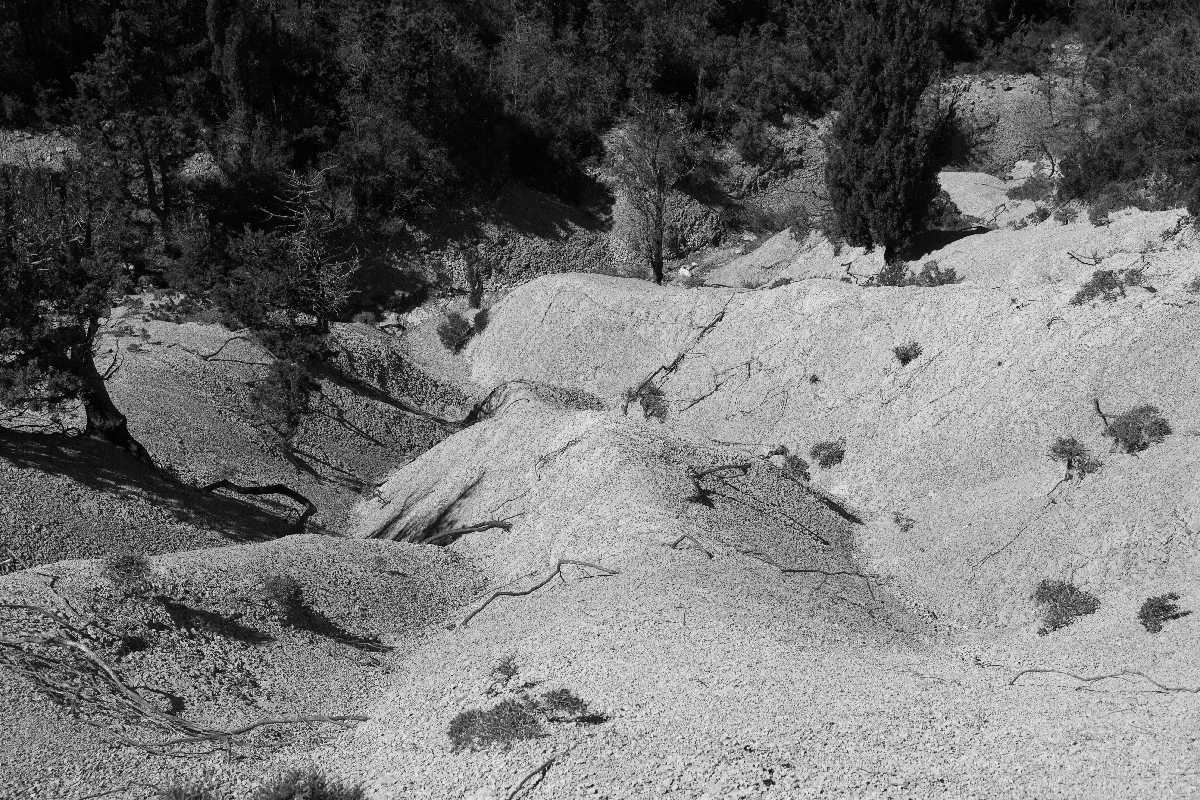
La parte meridionale dell’isola è un’esplosione di colori di fiori mentre man mano che ci si avvicina alla parte settentrionale i pendii sono ricoperti da una foresta di cipressi. La costa a nord ha un terreno che sembra un agglomerato di piccoli sassi e sabbia compattata che viene modellato in morbide forme dalle abbondanti piogge invernali ed è affollato di uccelli marini che qui trovano un posto perfetto per nidificare.
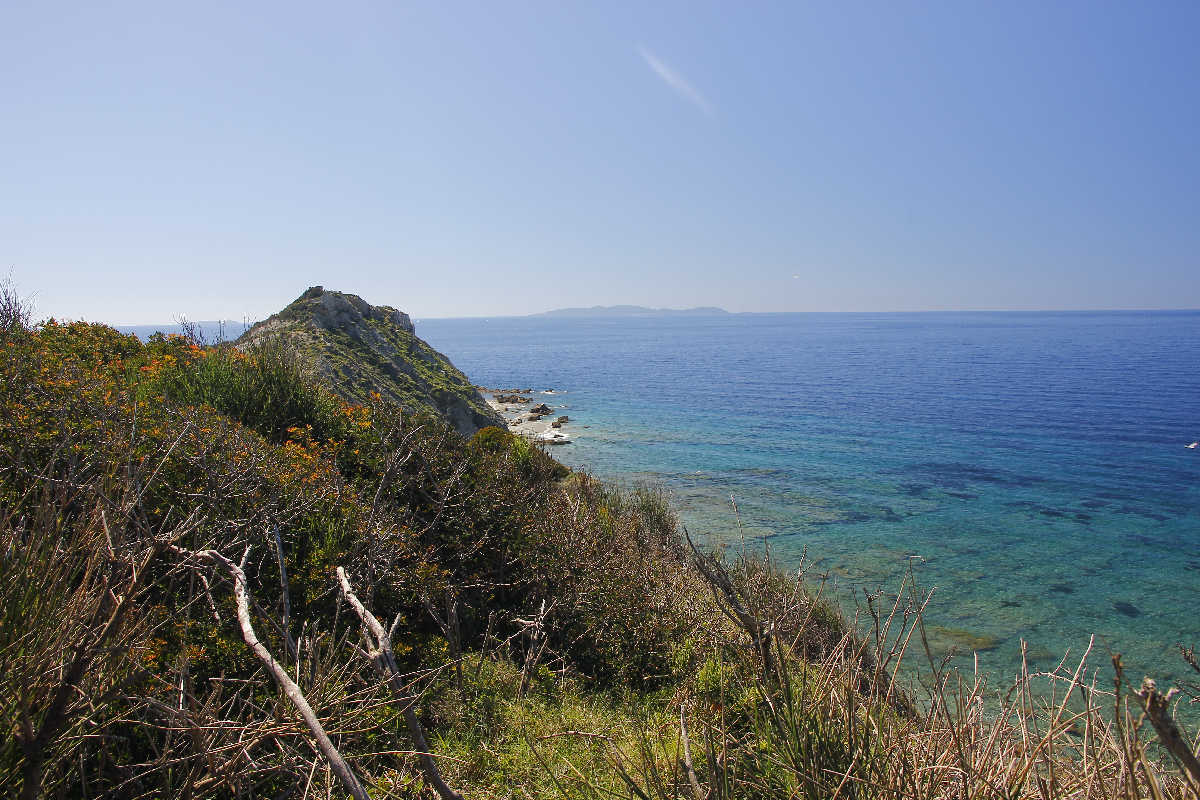
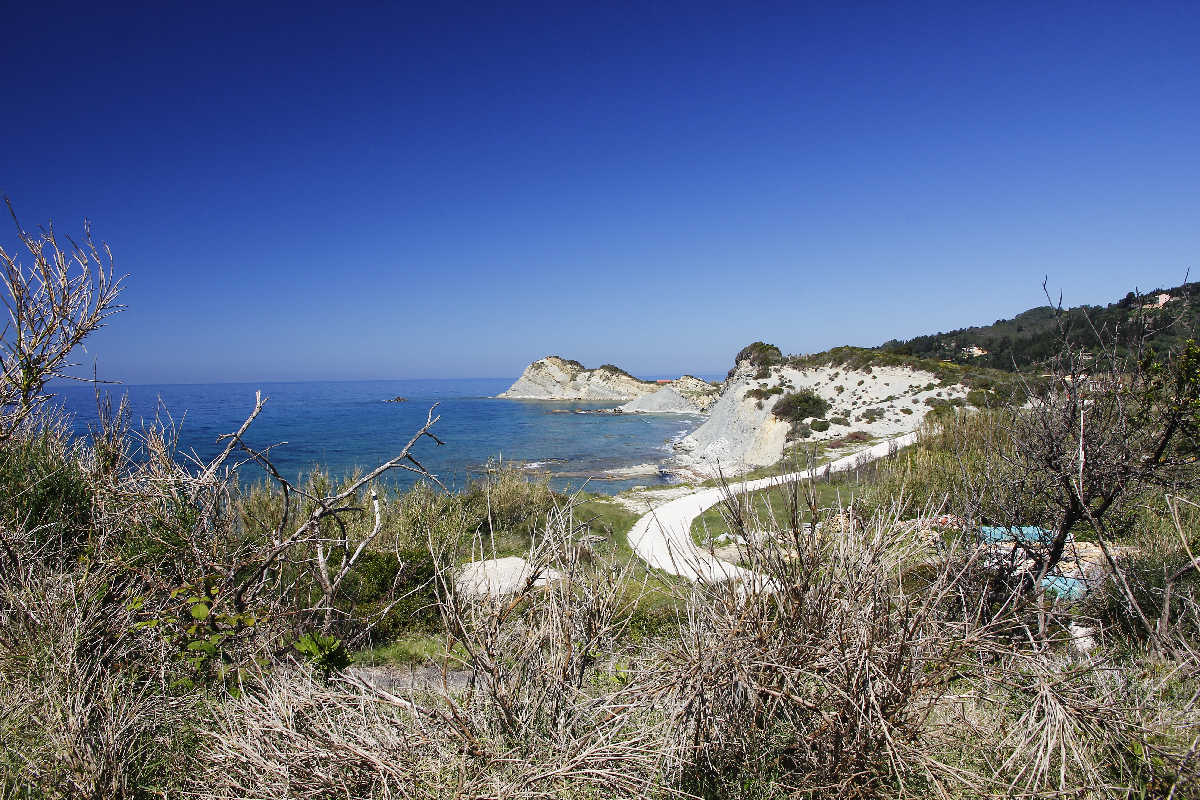
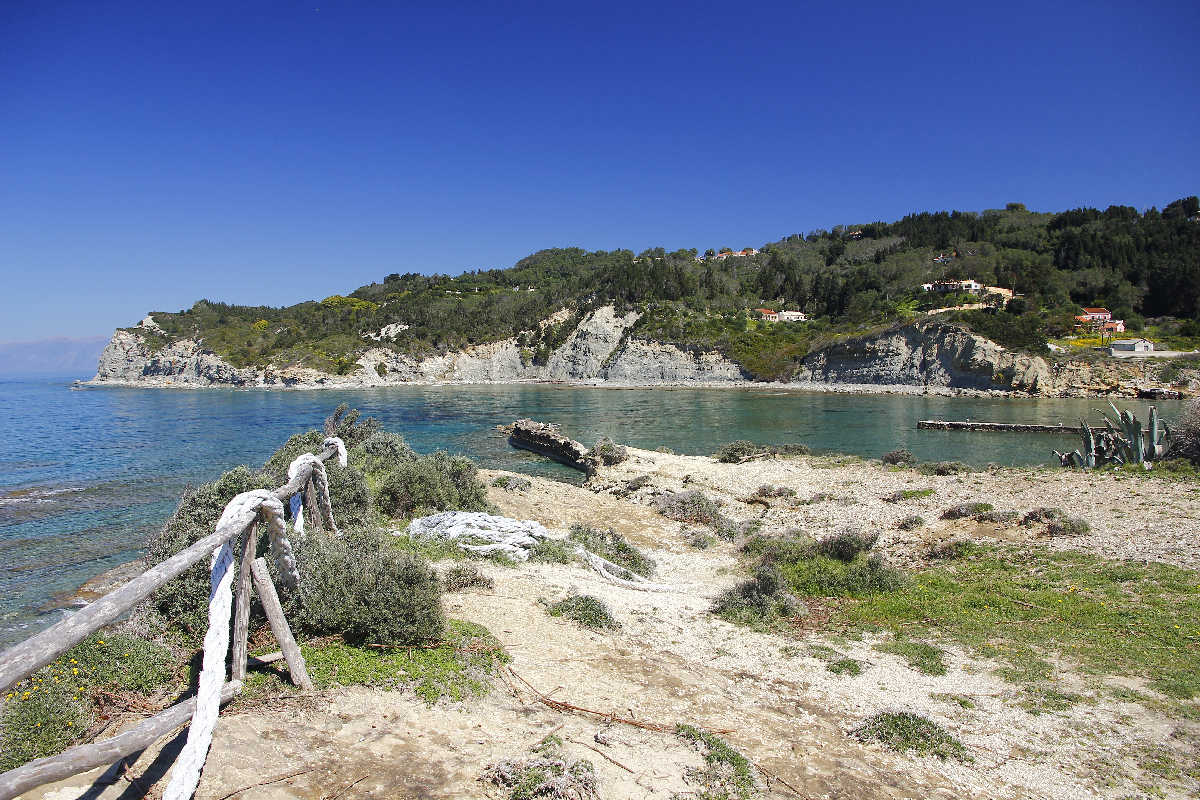
Ciò che rimane del porto vecchio nella parte settentrionale dell'isola.
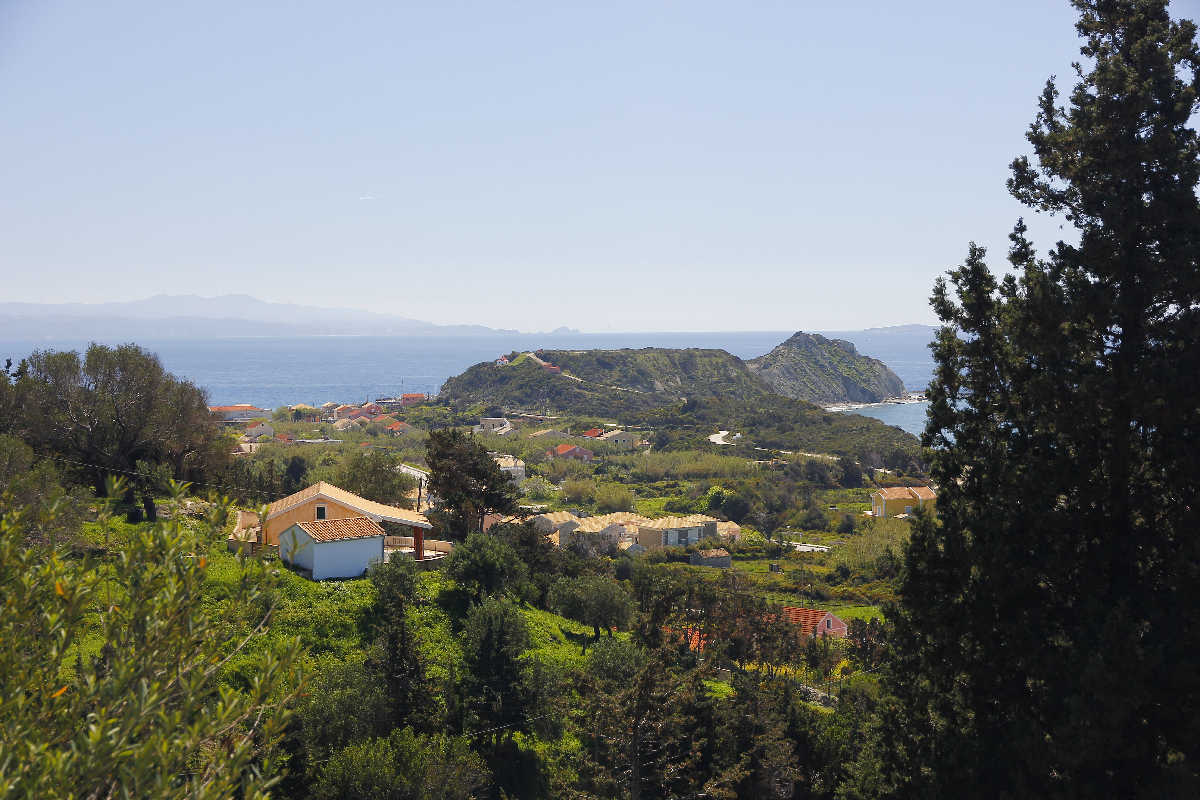
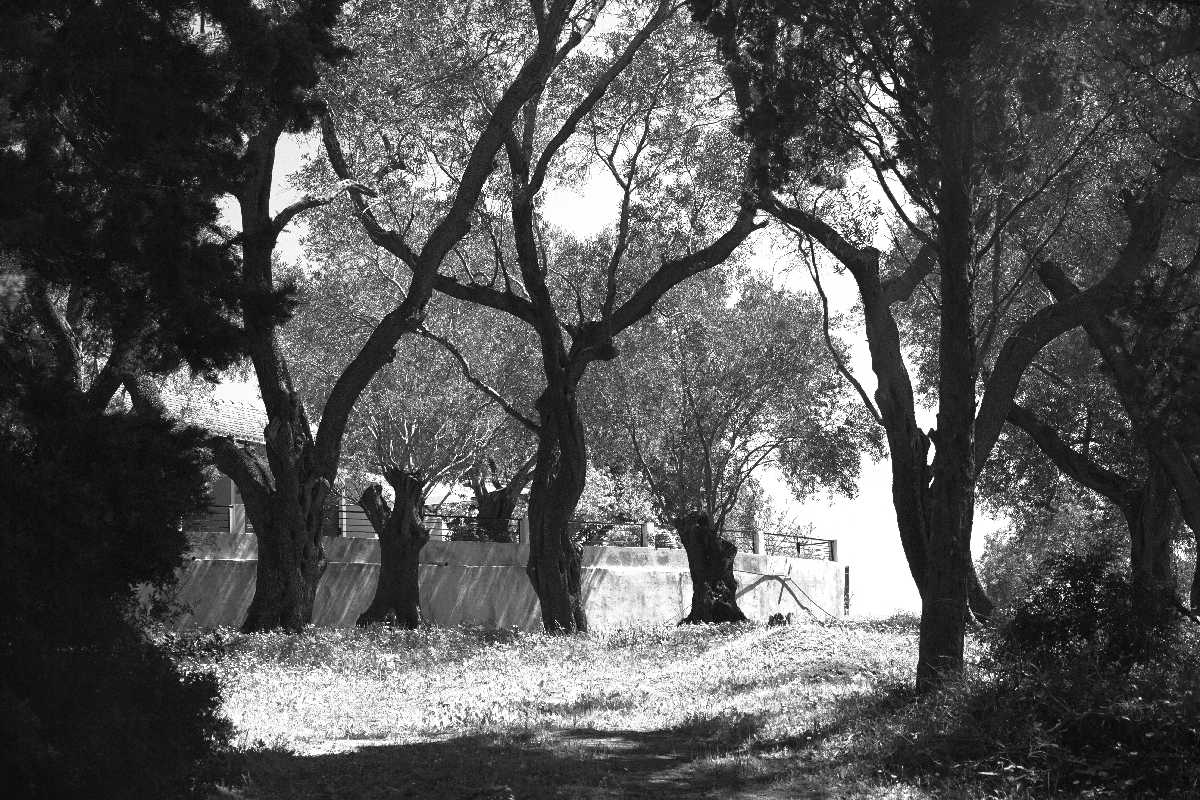
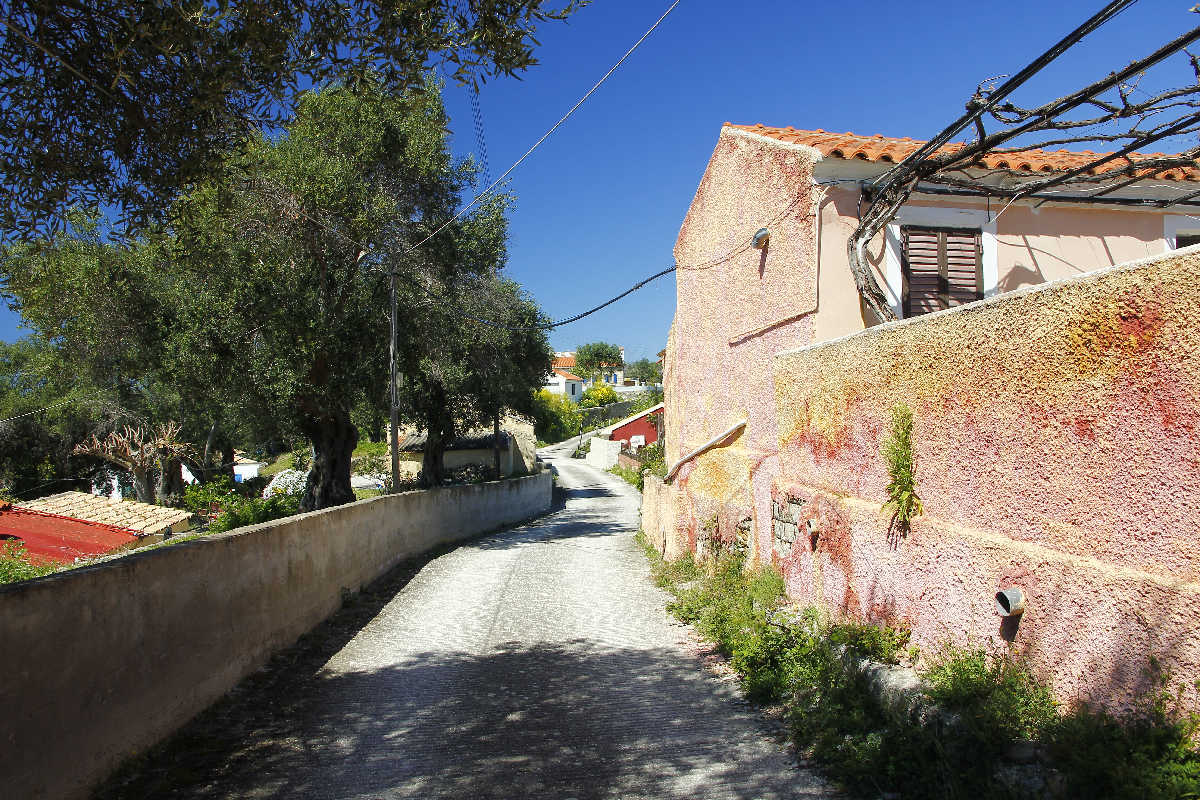
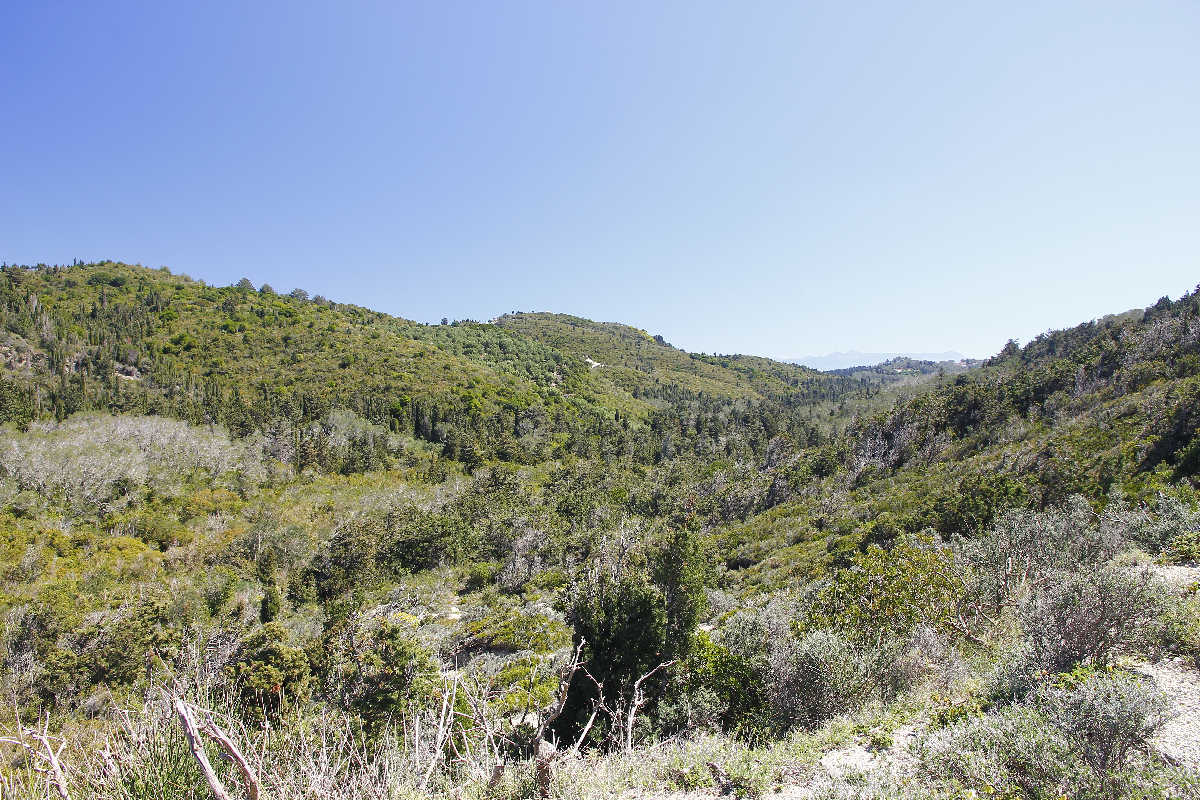
La foresta di cipressi che copre la parte disabitata dell'isola.
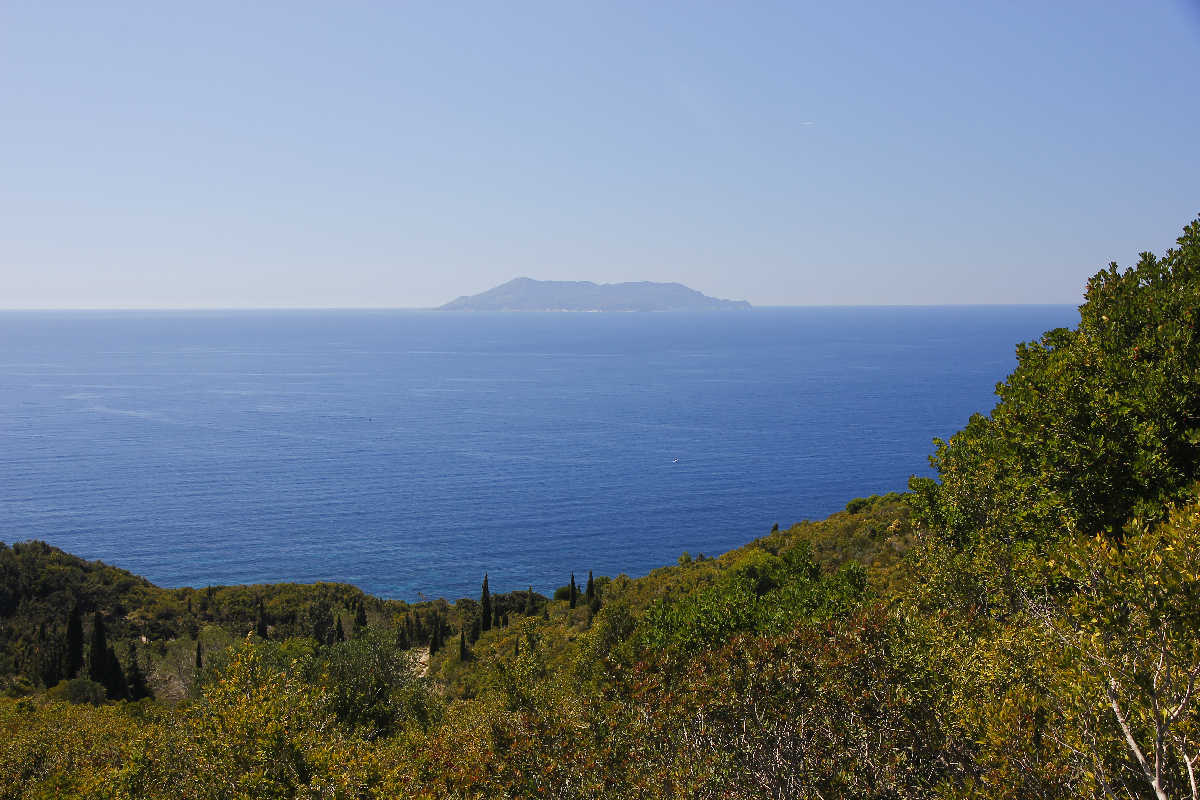
Vista dell'isola di Othoni.
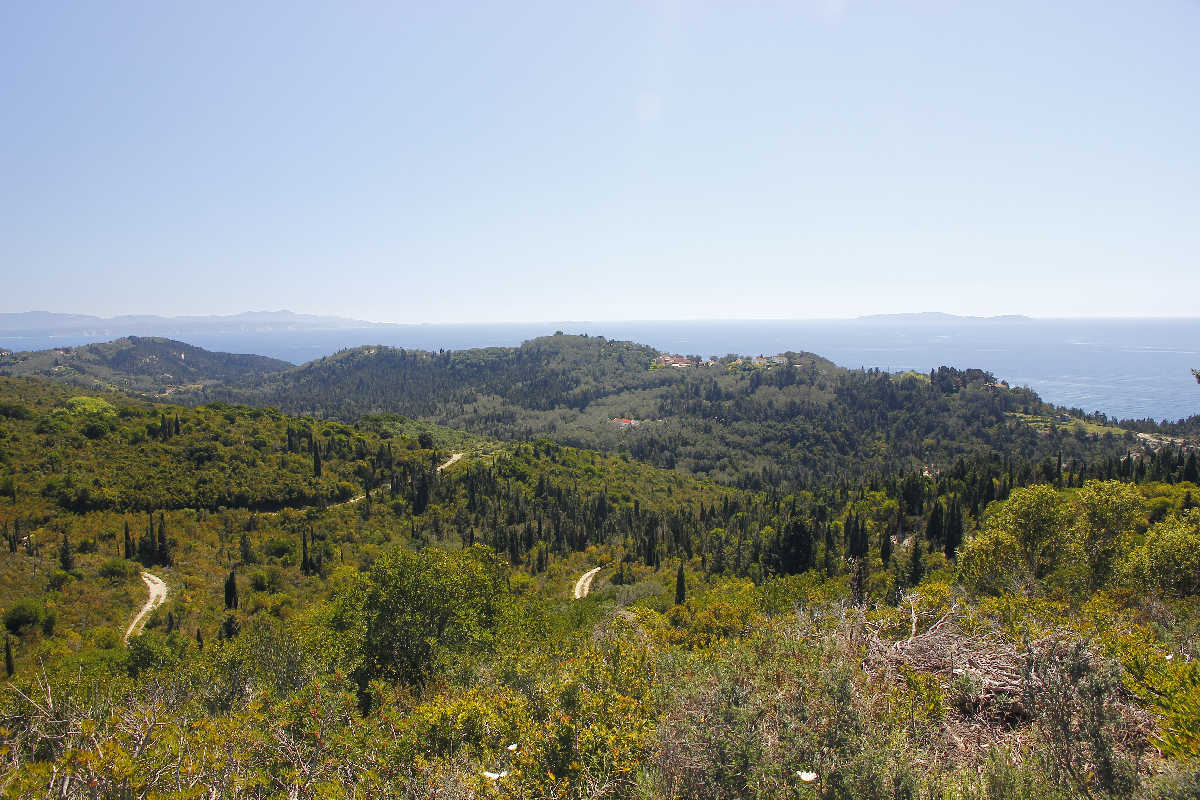
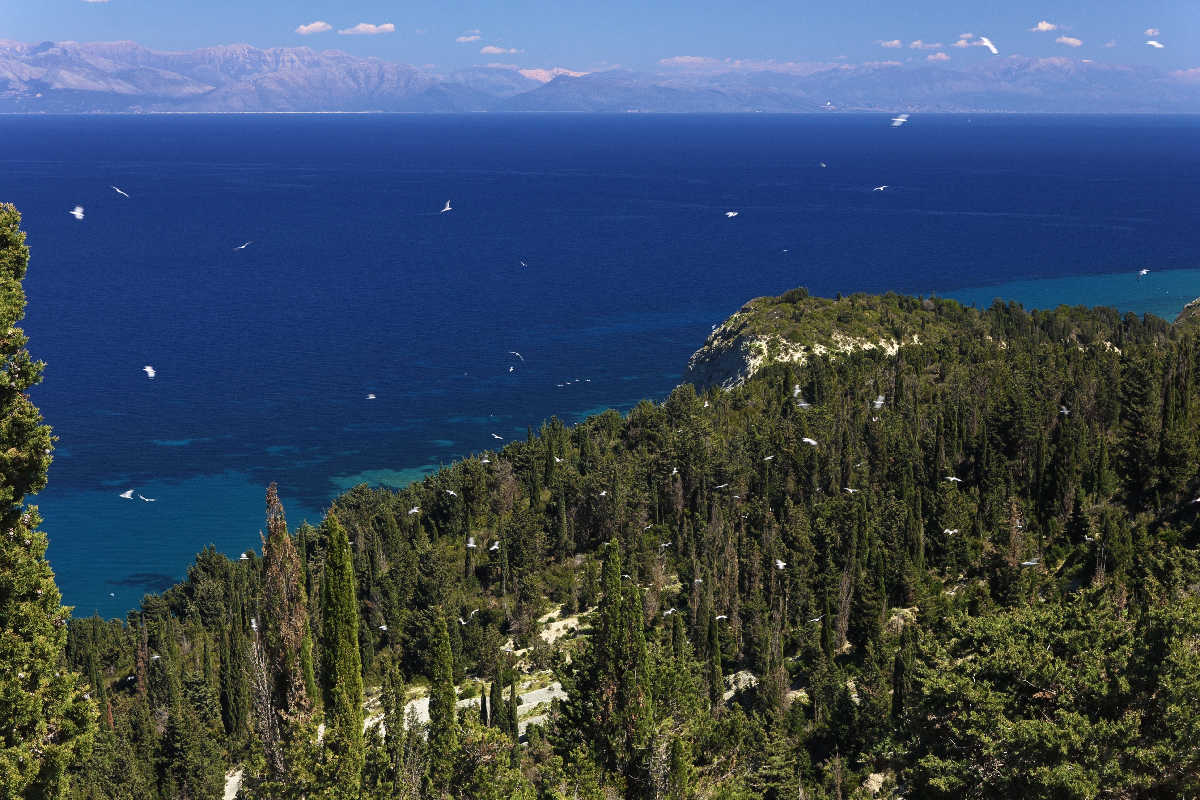
Il posto perfetto per nidificare.
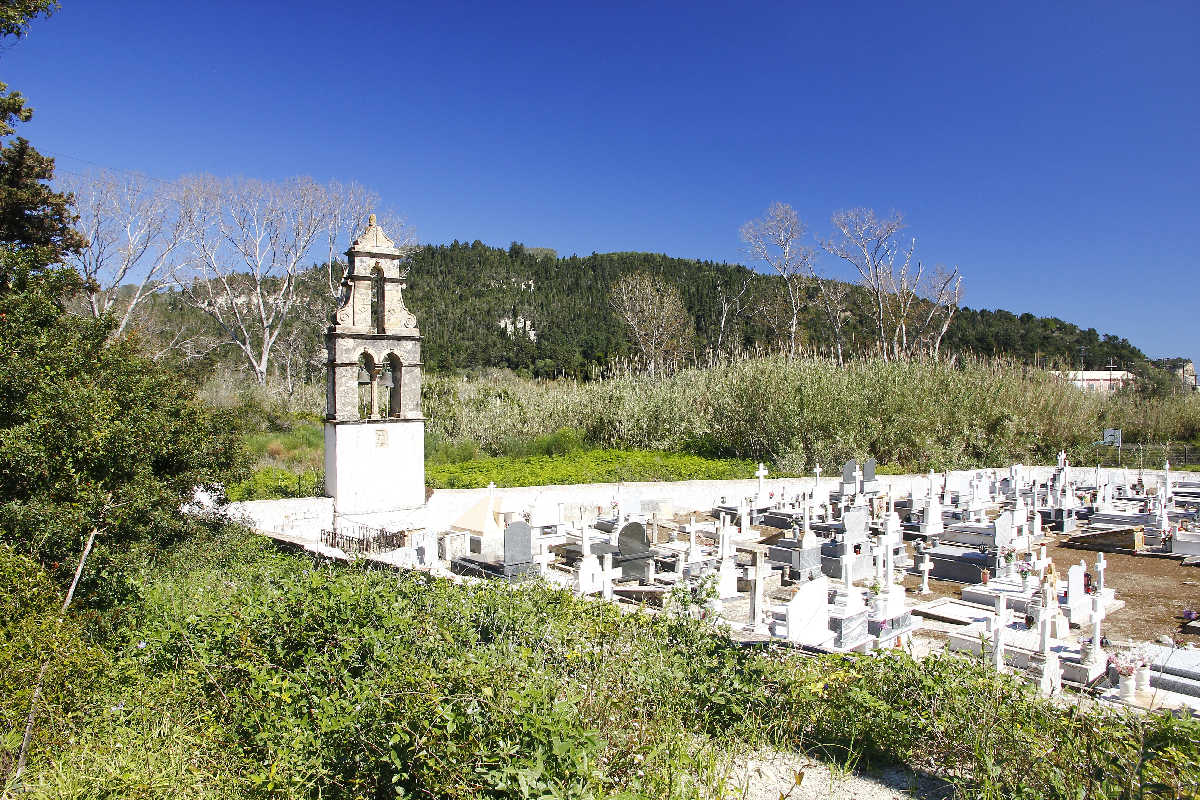
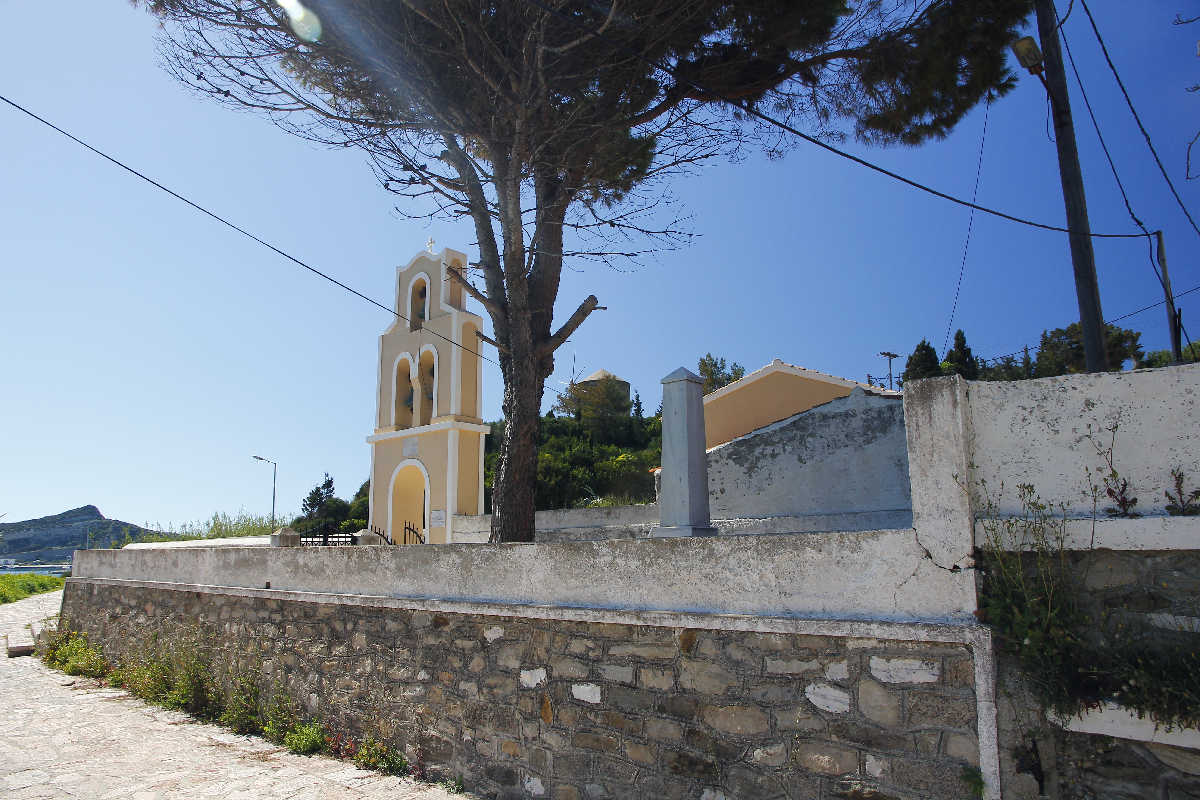
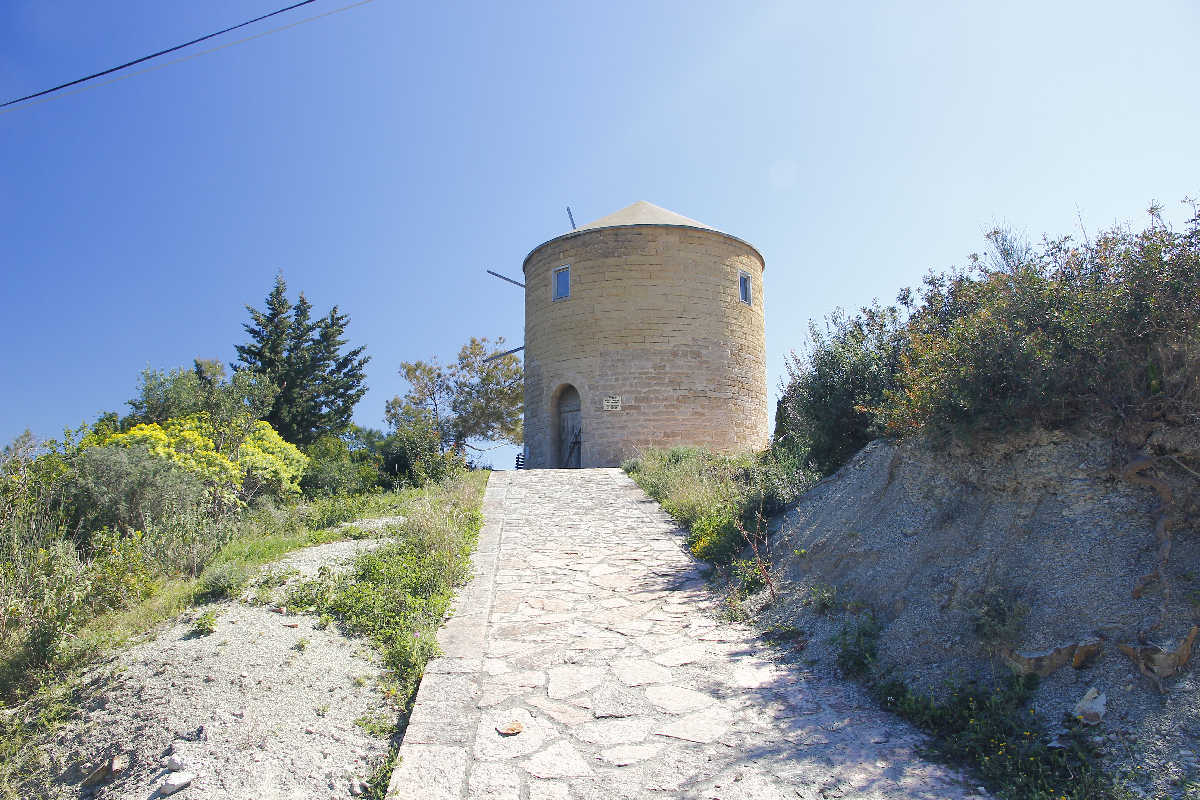
L'antico mulino a vento.
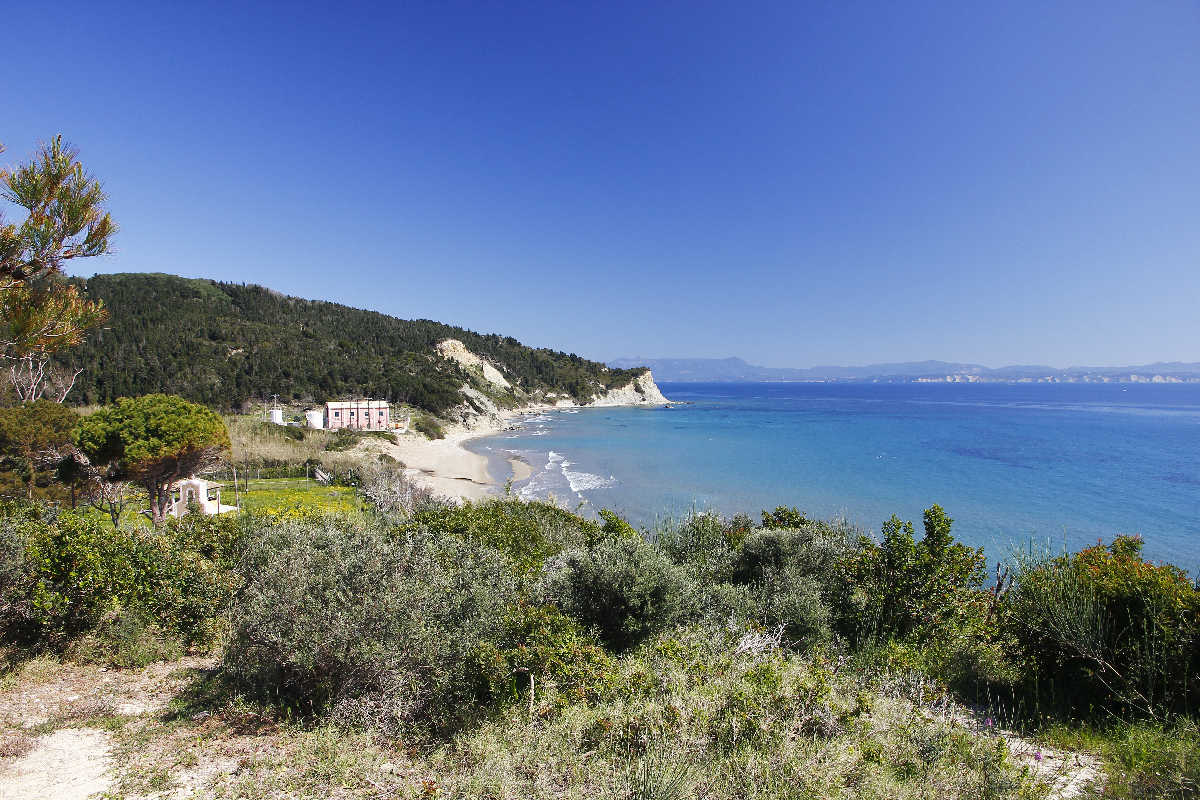
Ci godiamo questo pezzetto di paradiso per due giorni e in vista di un rinforzo di vento l’8 ci infiliamo nel canale tra Corfù e l’Albania. La vista di Saranda ci riporta alla memoria tutti i piacevoli ricordi della passata stagione e ci crogioliamo in vista di ciò che ci aspetterà nei prossimi mesi. Abbiamo fatto qualcosa di giusto nella nostra vita.
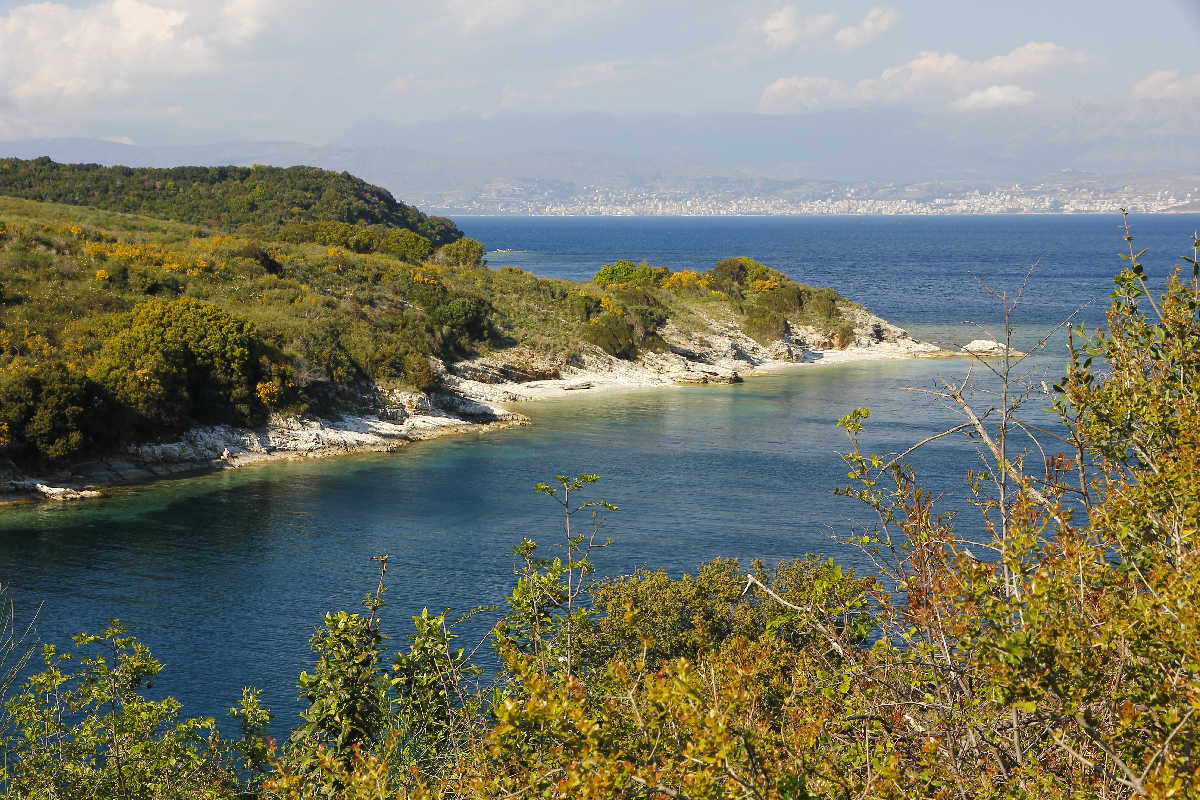
Ancoriamo nella piccola baia di Agios Stefanos nella parte a nord-est dell'isola di Corfù, dopo aver battuto due barche a vela più grandi di noi che condividevano la stessa rotta (come si dice, se ci sono due barche a vela c’è una regata) e abbiamo tempo per un’escursione su un bellissimo sentiero che si snoda lungo la costa e che porta fino a dei laghi salmastri separati dal mare da una sottile lingua di terra.
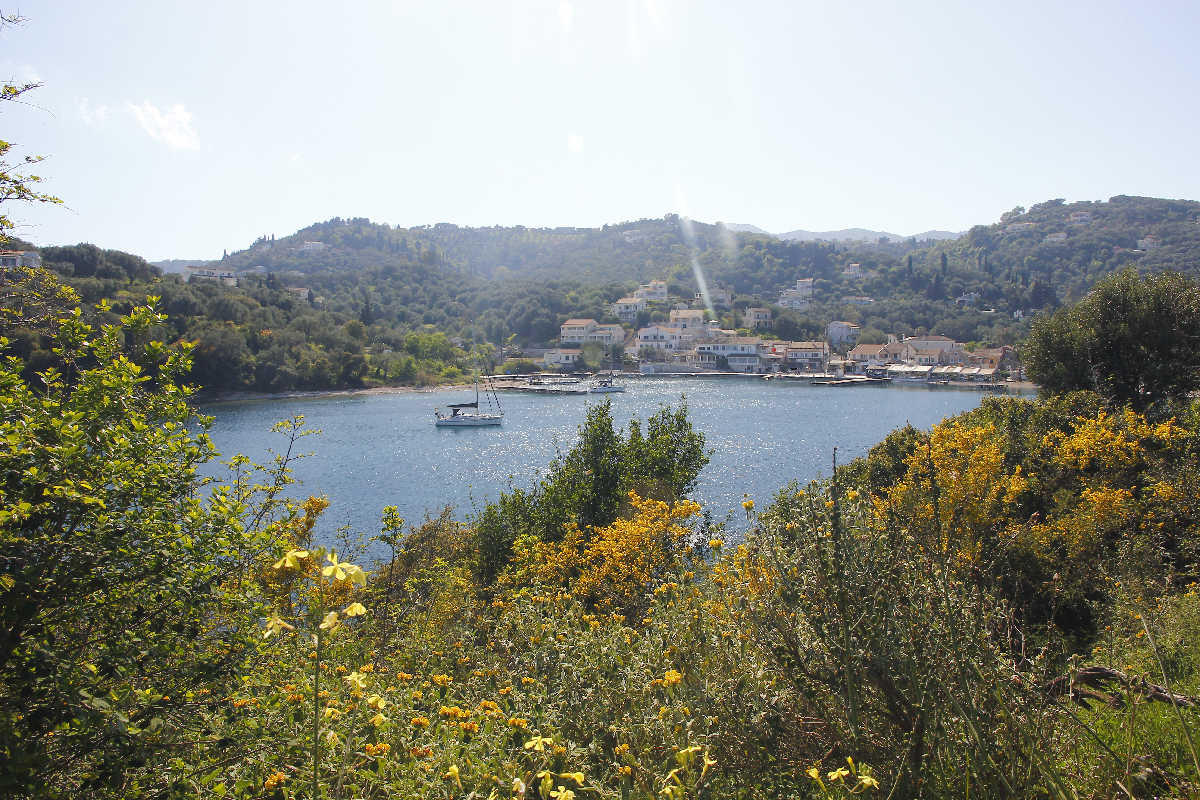
Lilith ancorata nella baia di Agios Stefanos.
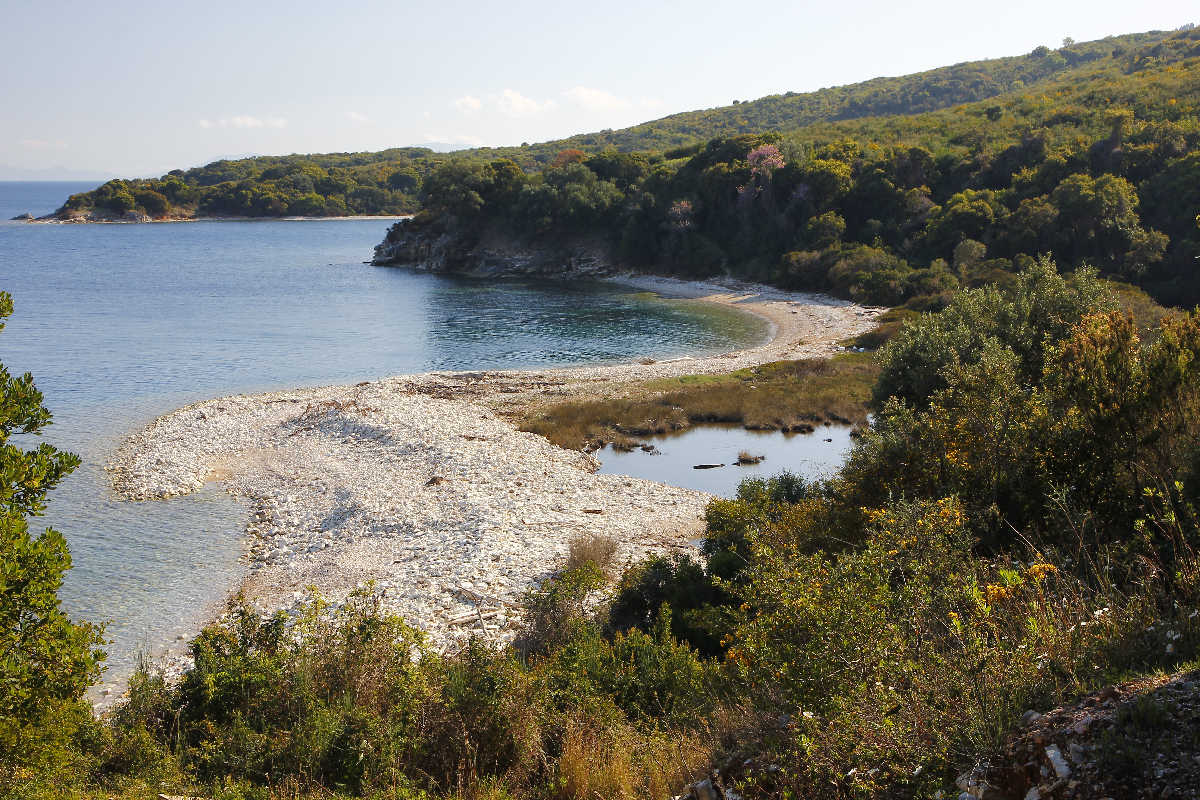
La lingua di terra che separa il lago dal mare.
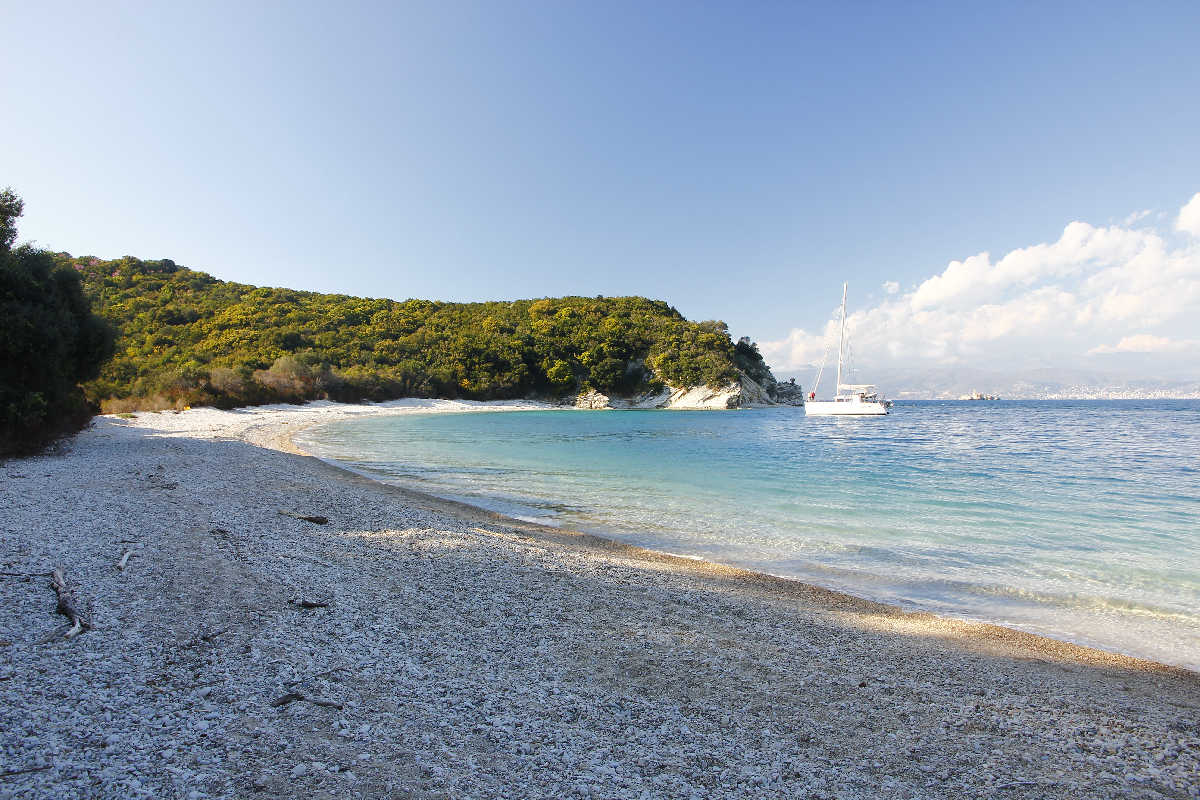
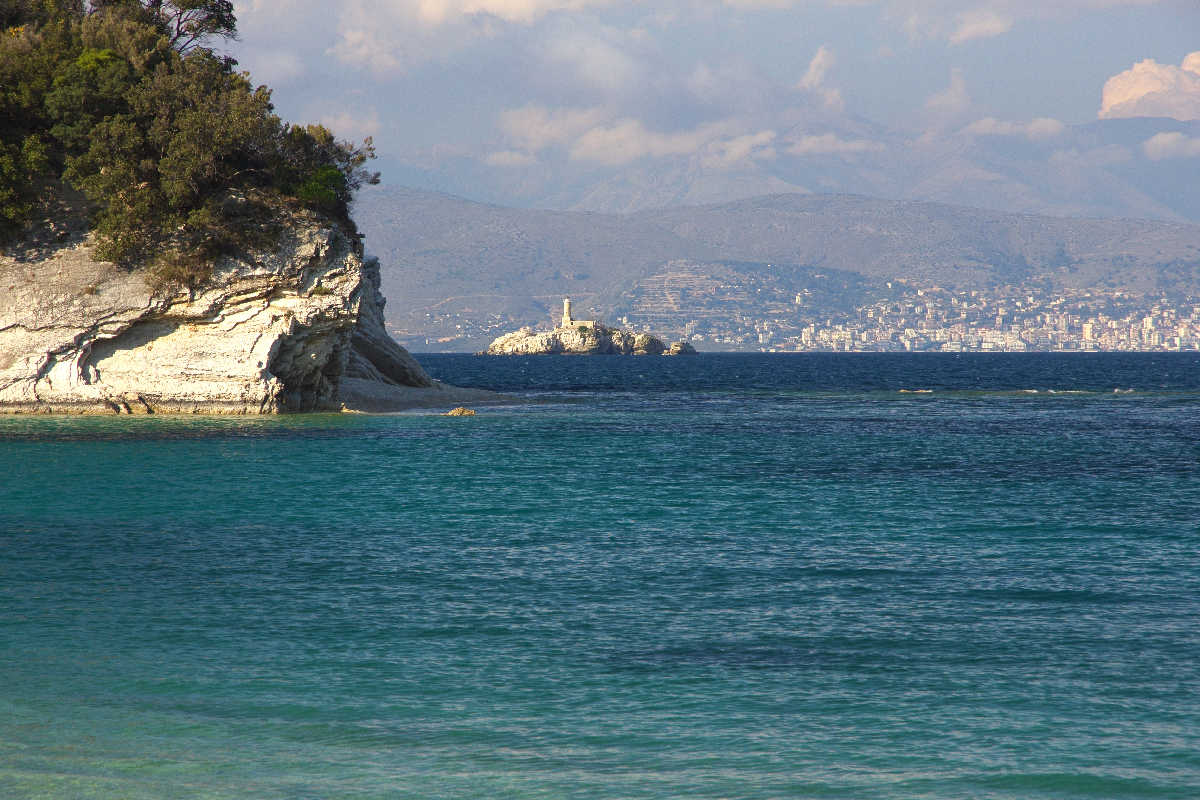
Saranda non è così distante...
The season begins
9 May, 2026
With the end of March approaching , our winter break was about to end. Once again we prepared to drastically change our routines and habits that inevitably develop when we stay for 5 months in the same place. How soon you can create a "home"!
It was a mixture of emotions like every time you leave what you know to embrace the uncertainty of being always on the move, in the hands of the weather gods and outside the security of the port. But this is also the thrill of adventure that necessarily contains all these contrasting sensations.
The month of March had begun with good weather, finally giving way to the incessant alternation of strong Mistral and Scirocco that characterized our stay in Brindisi, making us hopeful for the start of our cruising season. But in the last two weeks of the month the weather changed for the worse with rain and strong wind blowing away our plans once again.
The only certainty was the expiration of our contract with the marina and our little inclination to extend it since from April the summer rate with a significant price increase starts.
So on March 30we took advantage of a transition day between two weather systems to reach the port of San Foca, 31 NM south of Brindisi. The wind was still blowing above 20 knots and the sea was not flat, but the conditions were forecasted to improve during the day. The marina personnel were a bit surprised, but we were confident that wecould safely face those conditions.
We had the waves and the wind on our stern so we tried a different sails configuration: butterfly with the staysail and the genoa, without the mainsail. We arrived in 5 hours with an average speed of over 6 knots and the occasional surf on the waves at 8 knots.
Lilith's foresails in butterfly configuration.
In addition, we could successfully test the new autopilot that we installed during the winter, which is a major improvement over what we had before, which on some occasions malfunctioned, making us doubt its reliability. The new autopilot has many more sensors that read not only the magnetic bow (compass) but also the inclination, roll and pitch of the boat, and also integrates perfectly with the open-source cartographic system (OpenCpn) that manages the navigation and collection of all data from the various sensors on Lilith.
We stayed in San Foca for 7 days waiting for a weather window to cross. Here we only paid 13 euros per night. We would have paid 45/night if we had stayed in Brindisi. We took advantage of this stop exploring by bike the Salento hinterland a bit more and we had some nice chats and exchanges of experiences with Gabriele, our boat neighbour, who also lives on board.
The D'Amely baronial mansion in Melendugno.
The Abbey of San Niceta in Melendugno.
The main entrance to Acaya. Below are photos of the castle and the central square of this beautiful fortified village, built by Gian Giacomo d'Acaya, whom we mentioned in our post on Lecce. Beneath the square are reservoirs and storehouses designed to enable the town to withstand a siege.
On April 6 we finally left Apulia: destination Erikoussa!
We had 61 miles (about 113 km) to travel to reach this small Greek island, the northernmost of the Diapontine islands.
At 0400 we were at sea and the dawn offered us an incredible spectacle: the Albanian mountains, thanks to the contrast of the sun that had yet to rise, stood out majestically on the horizon and seemed incredibly close.
The view of Albania’s snow-capped mountains accompanied us for much of our journey.
After 13 hours of sailing, seasoned with dolphins, a sea turtle and even a sperm whale (our first time), we arrived in the beautiful and peaceful bay in the southern part of the island of Erikoussa. The bay is perfectly sheltered from the prevailing wind and NO waves and it is like a lake with crystal clear water: we had the first dip of the season and a well-deserved night's rest.
Land ho! Erikoussa island.
Lilith is safe in the quiet bay of Erikoussa whilst we explore the island.
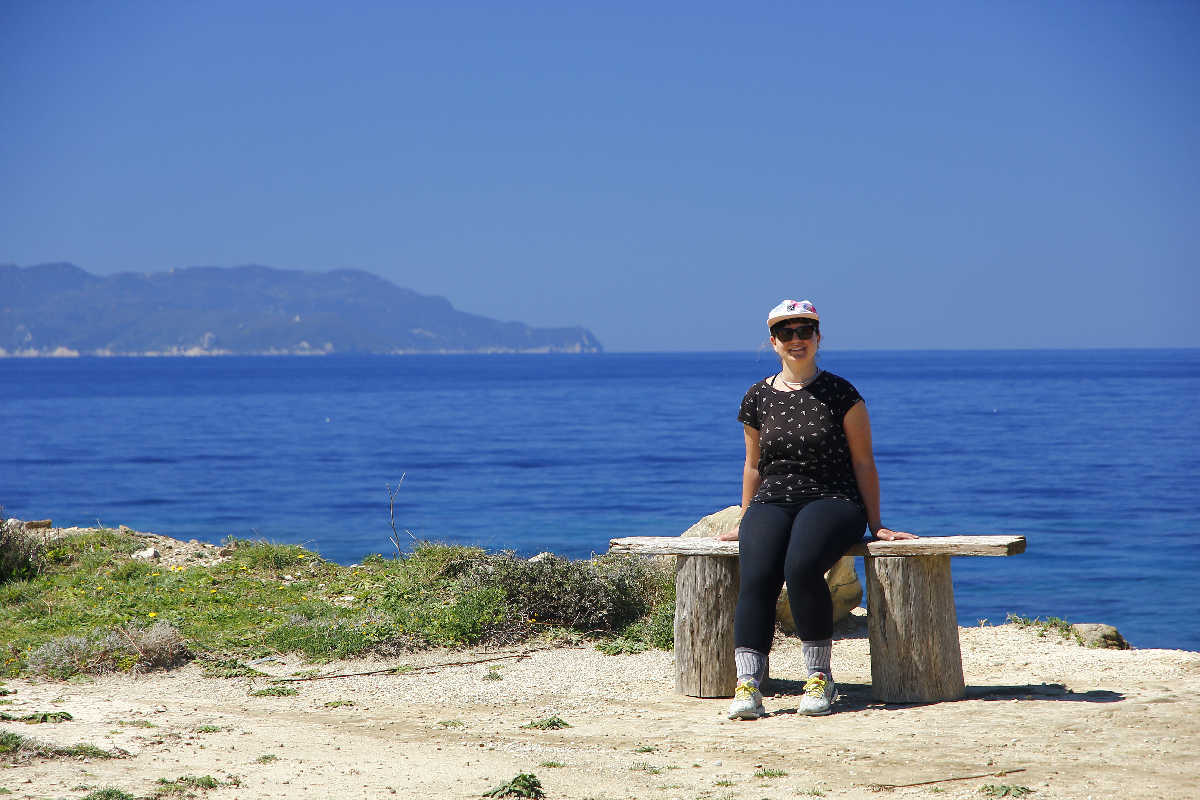
The next day we walked around the whole island and we could admire the various faces of this remote and very quiet island (at least in April: talking to a couple of sailors who just bought a house here, in August there are many tourists also here).
The southern part of the island is an explosion of flower colours while as you approach the northern part the slopes are covered with a cypress forest. The coast to the north has a terrain that looks like an agglomeration of small stones and compacted sand that is shaped softly by the abundant winter rains and is crowded with seabirds that find a perfect place to nest here.
What remains of the old harbour in the northern part of the island.
The cypress forest that covers the uninhabited part of the island.
View of the Othoni island.
the perfect place for nesting.
The old windmill.
We enjoyed this piece of paradise for two days. On April 8 we sailed into the channel between Corfu and Albania since the wind was forecasted to reinforce. The view ofSarandareminded us of all the pleasant memories of the past season and we bask in view of what awaits us in the coming months. We've done something right in our lives.
We anchored in the small bay of Agios Stefanos in the NE part of the Corfù island, after having beaten two sailboats bigger than us that shared the same route (as they say, if there are two sailboats there is a race) and we had time for an excursion on a beautiful path that winds along the coast and leads to brackish lakes separated from the sea by a thin strip of land.
Lilith is anchored in Agios Stefanos Bay.
The strip of land separating the lake from the sea.
Saranda is not that far away...