Arrivo a Gallipoli e cantiere
10 marzo 2026
- ENGLISH VERSION BELOW -
Il 14 ottobre alle 0830 abbiamo tutti i documenti in ordine e siamo autorizzati a partire. Abbiamo 120 M davanti a noi prima di raggiungere Gallipoli sulla costa ionica della Puglia. Le previsioni sono buone e dovremmo sfruttare il vento favorevole e arrivare prima di una forte perturbazione.
Guardiamo la costa albanese allontanarsi dietro di noi, Corfù sfila alla nostra sinistra e poi ci infiliamo tra le isole Othonoi. Verso le 4 del pomeriggio ce le lasciamo dietro di noi in un mare confuso ma non eccessivamente fastidioso. Davanti a noi il mare aperto e un tramonto che si sta preparando prima della galoppata notturna in mezzo all'Adriatico. Il traffico di grandi navi ci tiene vigili per tutta la notte. Al sorgere del sole è sempre un misto di soddisfazione e sollievo per aver avuto una notte senza inconvenienti. Siamo riusciti anche a dormicchiare un po' durante i cambi turno. Doppiamo Santa Maria di Leuca e poi risaliamo verso nord lasciando le secche di Ugento a est. Per orario di pranzo, dopo 26 ore esatte, arriviamo a Gallipoli.
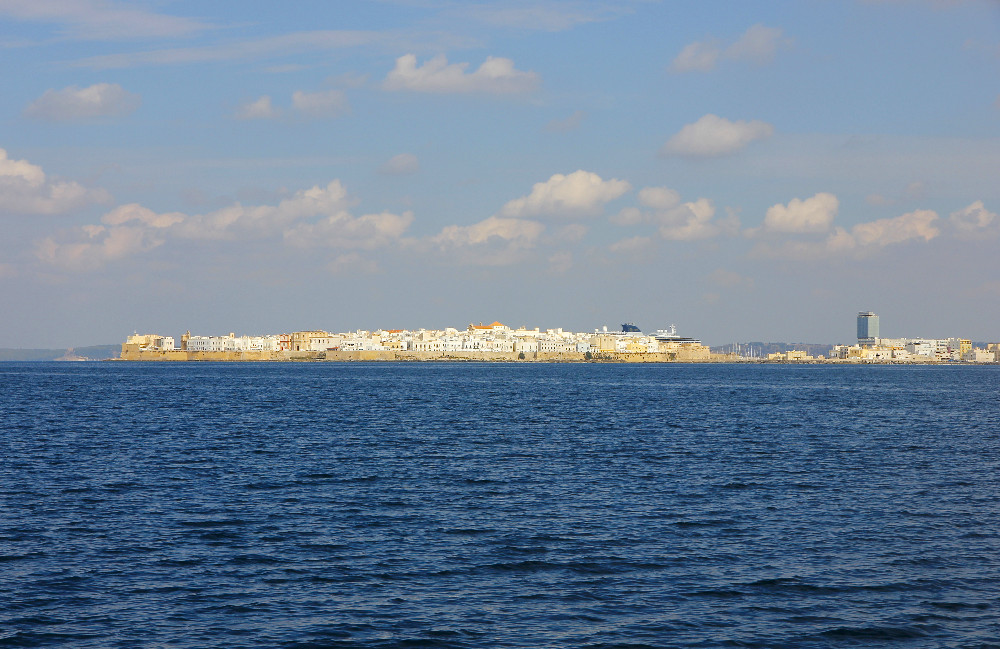
Troviamo posto per qualche giorno in un marina vicino al cantiere dove verrà alata la barca. Ci aspettiamo uno scirocco di una trentina di nodi.
Intanto collassiamo a letto e recuperiamo il sonno. La sera ci facciamo portare una pizza per festeggiare la nostra buona traversata.
Finita l'estate, ora tocca lavorare!
Dopo qualche ritardo dovuto a un guasto al carro ponte, finalmente il 20 ottobre Lilith viene alata e portata nello spiazzo dove ci prenderemo cura di rinnovare l'antivegetativa, cambiare i passascafi (aperture nello scafo dotate di rubinetti da cui si preleva e scarica l'acqua per i servizi), rincollare la pattella del saildrive che si era scollata subito quando era stata fatta in cantiere a Ravenna e ispezionare l'asse del timone. Sicuramente il lavoro principale è l'antivegetativa: abbiamo scelto di provare il Coppercoat, una resina caricata con polvere purissima di rame che crea un biocida naturale che evita che lo scafo venga ricoperto da alghe e barnacoli (piccoli crostacei che si attaccano tenacemente allo scafo). Dobbiamo però rimuovere tutta la vecchia vernice antivegetativa e portare lo scafo a zero (alla fine del terzo giorno avevamo la sensazione che le mani continuassero a vibrare anche dopo che avevamo riposto la levigatrice orbitale) e verniciare almeno 4 mani da dare tutte con il film di vernice semi-asciutto e con determinate condizioni di temperatura e umidità (in due ci sono volute esattamente 12 ore di lavoro continuato). L'applicazione un po' convoluta è però bilanciata dal fatto che durerà per circa 10 anni, liberandoci dalla pressione di dover alare la barca ogni anno o 2, specialmente nei prossimi anni quando saremo in giro per Paesi a noi sconosciuti.
Invece delle 2 settimane preventivate rimaniamo in cantiere per 3 settimane ma in compenso riusciamo anche a completare qualche lavoro puramente estetico come lucidare e incerare l'opera morta (le fiancate della barca).
Abbiamo lavorato in cantiere ogni singolo giorno. È stata una tirata ma alla fine siamo soddisfatti con il nostro lavoro.
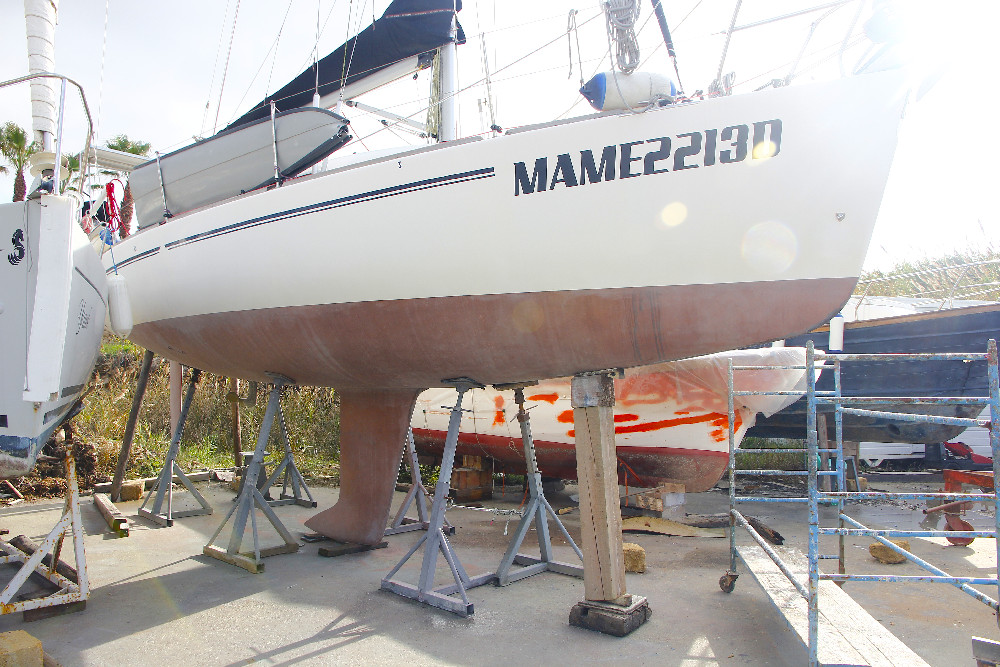
Coppercoat applicato e levigato affinché si "attivi" una volta in acqua.
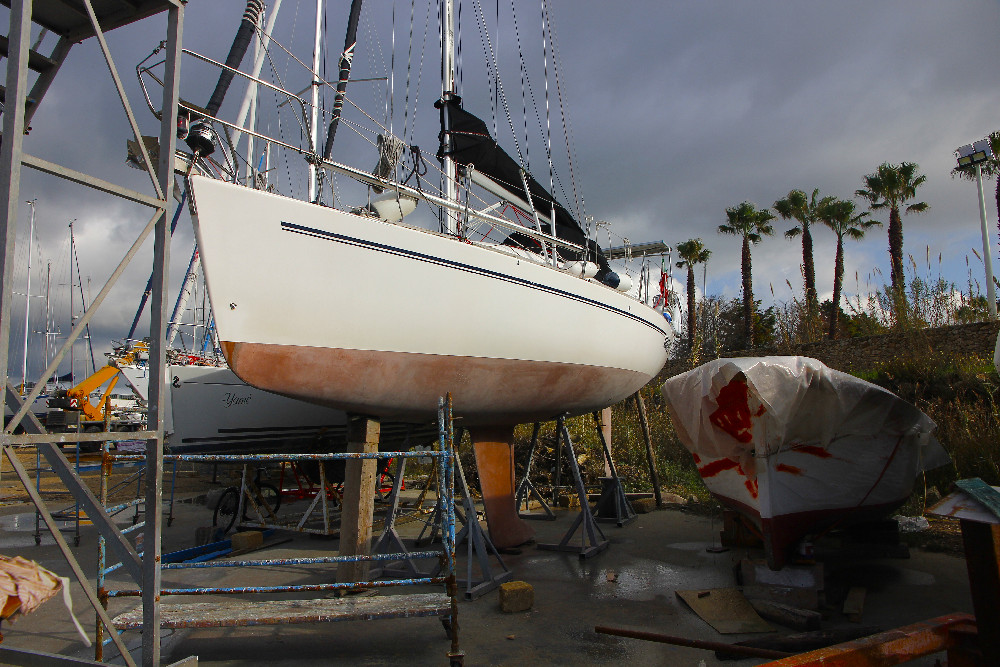
Lilith sui supporti tra le altre barche in rimessaggio e i ponteggi in cantiere.
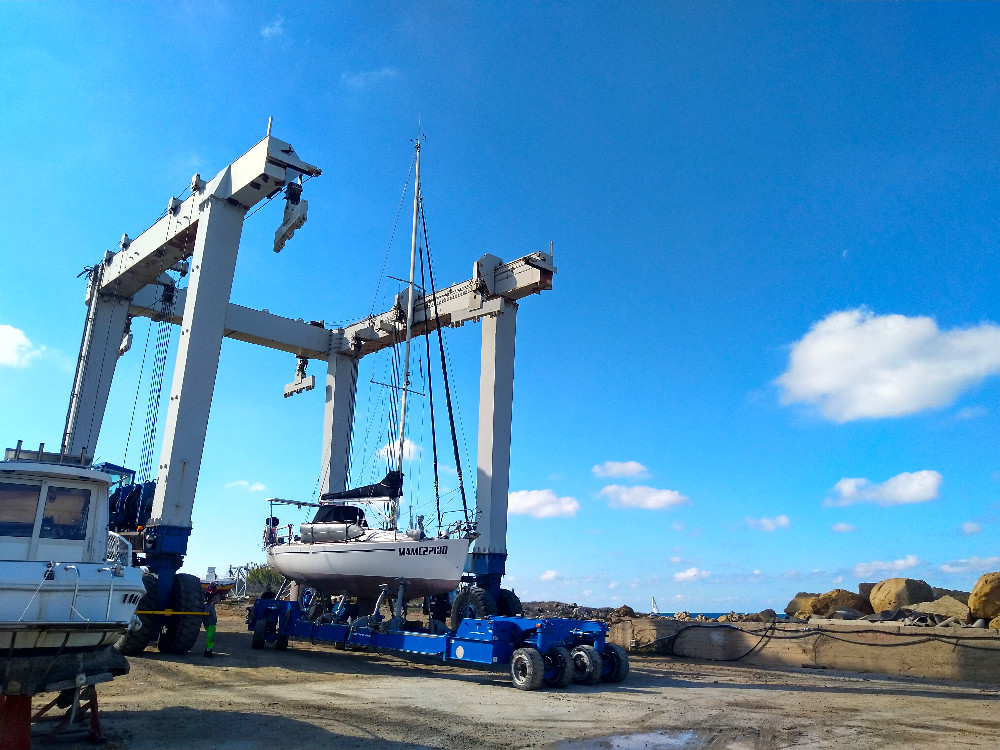
Finalmente si torna in acqua!
Meno male abbiamo deciso di prenderci un appartamento perché durante i lavori la barca diventa inutilizzabile e dopo giornate intere in cantiere una bella doccia e un pasto caldo danno la carica per il giorno successivo. Troviamo un alloggio a buon prezzo esattamente nel centro storico di Gallipoli che occupa un'isola collegata alla terra ferma da un ponte stradale. La fortezza angioina ne protegge l'ingresso. Anche se siamo stanchi riusciamo comunque a fare qualche passeggiata serale per esplorare la bella città salentina. Purtroppo tornando quasi sempre dopo il tramonto non abbiamo fatto foto.
Arrival in Gallipoli and the boatyard
3 Mar, 2026
On 14 October at 0830 we had all the documents in order and were authorised to leave.
We had 120 nm ahead of us before reaching Gallipoli on the Ionian coast of Puglia.
The forecasts were good and we could take advantage of the favorable wind before a bad weather system with strong winds.
We watched the Albanian coast disappearing behind us, Corfu paraded to our left and then we sailed between the Othonoi Islands. Around 4 o'clock in the afternoon we left them behind us in a confused but not overly unconfotable sea. In front of us the open sea and a beautiful sunset before the night sail in the middle of the Adriatic. The traffic of large ships kept us vigilant throughout the night. At sunrise it is always a mixture of satisfaction and relief to have had a problem-free night. We also managed to get some sleep taking turns in the cockpit. We doubled Santa Maria di Leuca and then headed north leaving the shoals of Ugento to the east.
We had instant noodles for lunch with Gallipoli in sight and shortly after that, we arrived. It tok us 26 hours to complete our overnighter.
We found a spot in a marina for a few days near the boatyard where the boat will be hauled out.´, instead of anchoring because a Scirocco wind (from the SE) of about thirty knots was forecasted.
But first we caught up on sleep. In the evening we ordered a pizza to celebrate.
Summer is over, now it's time to work!
After a few delays due to some travelift repairs, finally on October 20th Lilith was hauled out and placed on the hard where we would redo the antifouling, changing the seacocks (openings in the hull equipped with ball valves from which the water is taken and discharged for the sinks and WC), gluing the saildrive cover back and inspecting the rudder stock. Surely the main job was the antifouling: we decided to try Coppercoat, a resin loaded with pure copper powder that creates a natural biocide that prevents the hull from being covered with algae and barnacles. First we had to remove all the old layers of antifouling paint till the bare hull (at the end of the third day we had the feeling that our hands continued to vibrate even after we had put the orbital sander down), then apply at least 4 coats to be painted all before completely dry with certain conditions of temperature and humidity (in two it took exactly 12 hours of continuous work). However, the somewhat complicated application is balanced by the fact that it will last for about 10 years (according to the manufacturer), freeing us from the pressure of having to haul out the boat every year or two, especially in the coming years when we do not know where we are going to be.
Instead of the planned 2 weeks we were in the boatyard for 3 weeks but we managed also some "nice to" tasks like polishing and waxing the top sides.
We worked every single day. It was hard but we are happy with how it turned out and pround of ourselves.
Coppercoat applied and sanded in order to "activate" it once the boat in back in the water.
Lilith "parked" in the boatyard on some shacky stands.
Finally ready to splash!
Luckily we decided to take an apartment because during the works the boat becomes unusable and after a long day in the boatyard a nice shower and a hot meal gave us the charge for the next day. We found a cheap accommodation exactly in the historic center of Gallipoli which is on a small island connected to the mainland by a road bridge. The Angevin fortress protects its entrance. Even if we were tired, we still managed to take a few evening walks to explore the beautiful Salento city. Unfortunately, leaving the boatyard almost always after sunset, we didn't take any photos.