Butrinto e ultima sera in Albania
3 marzo 2026
- ENGLISH VERSION BELOW -
Il 5 Ottobre navighiamo di nuovo verso nord per raggiungere Ksamil, rinomata meta turistica. Bellissima la baia con le sue isolette, ma è invasa da pedalò, piccoli motoscafi e moto d’acqua e la cittadina composta di hotel, bed & breakfast e bar per turisti non ci trasmette niente. Non abbiamo fatto nemmeno una foto! Facciamo un po' di provviste e una chiacchierata con un turista italiano che ci ha offerto un passaggio in macchina dopo averci visto approdare a terra col tender.
La notte non è delle migliori e torniamo ancora per qualche giorno nella sicurezza di Tongo bay.
Il nostro periodo in Albania sta finendo: siamo proiettati alla nostra traversata più grande mai fatta finora. Ma prima ci godiamo gli ultimi giorni di crociera esplorando la laguna di Butrinto.
Dopo aver lentamente trovato il canale scavato dalle correnti di marea della laguna che permette l'accesso alla laguna stessa, ci addentriamo e troviamo un buon posto per ancorare Lilith. Non c'era modo migliore di finire questo viaggio in questa meravigliosa e variegata terra a noi sconosciuta fino ad un mese fa.
Di colpo ci sembra di essere tornati nella nostra Laguna veneta.
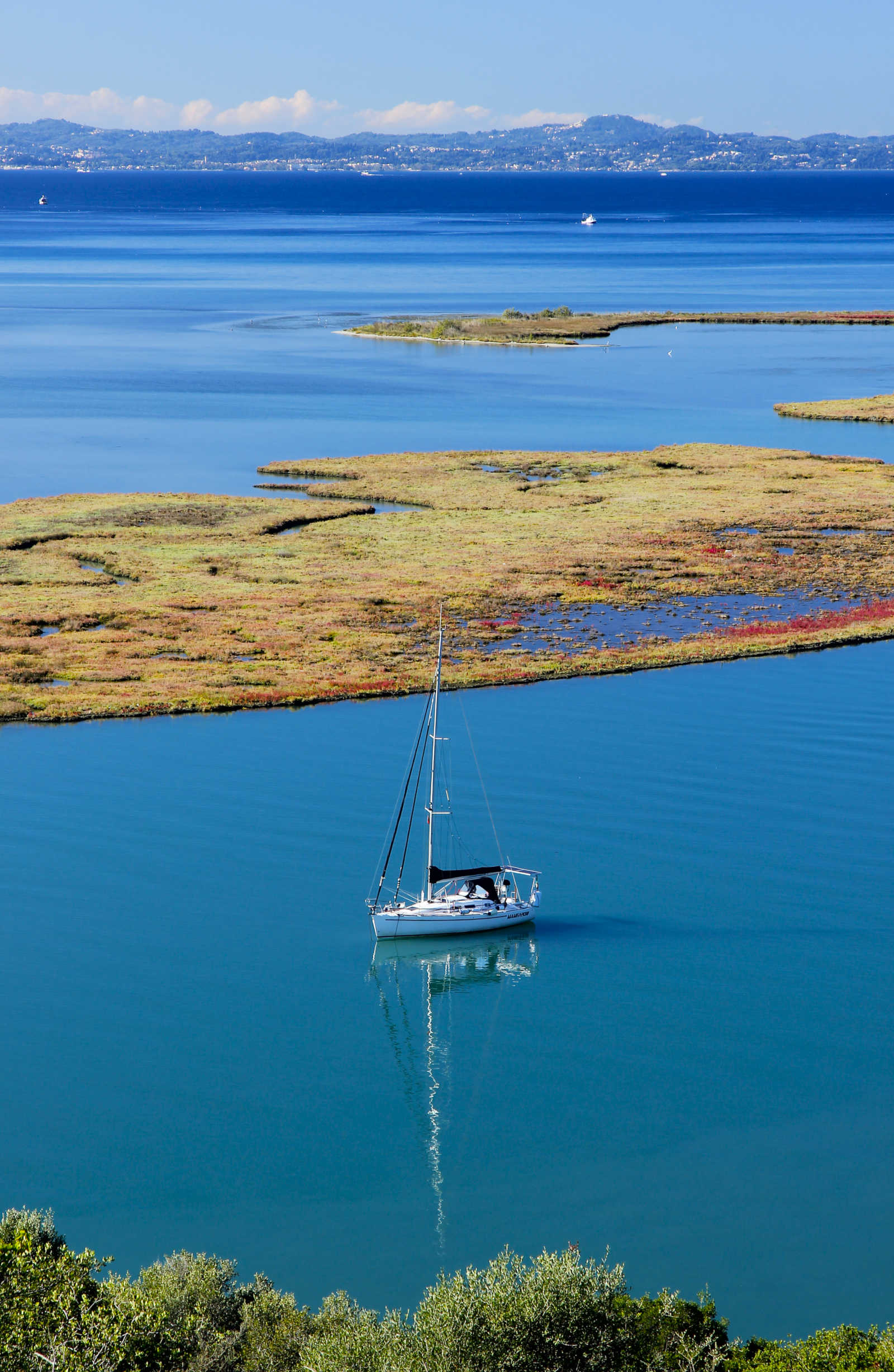
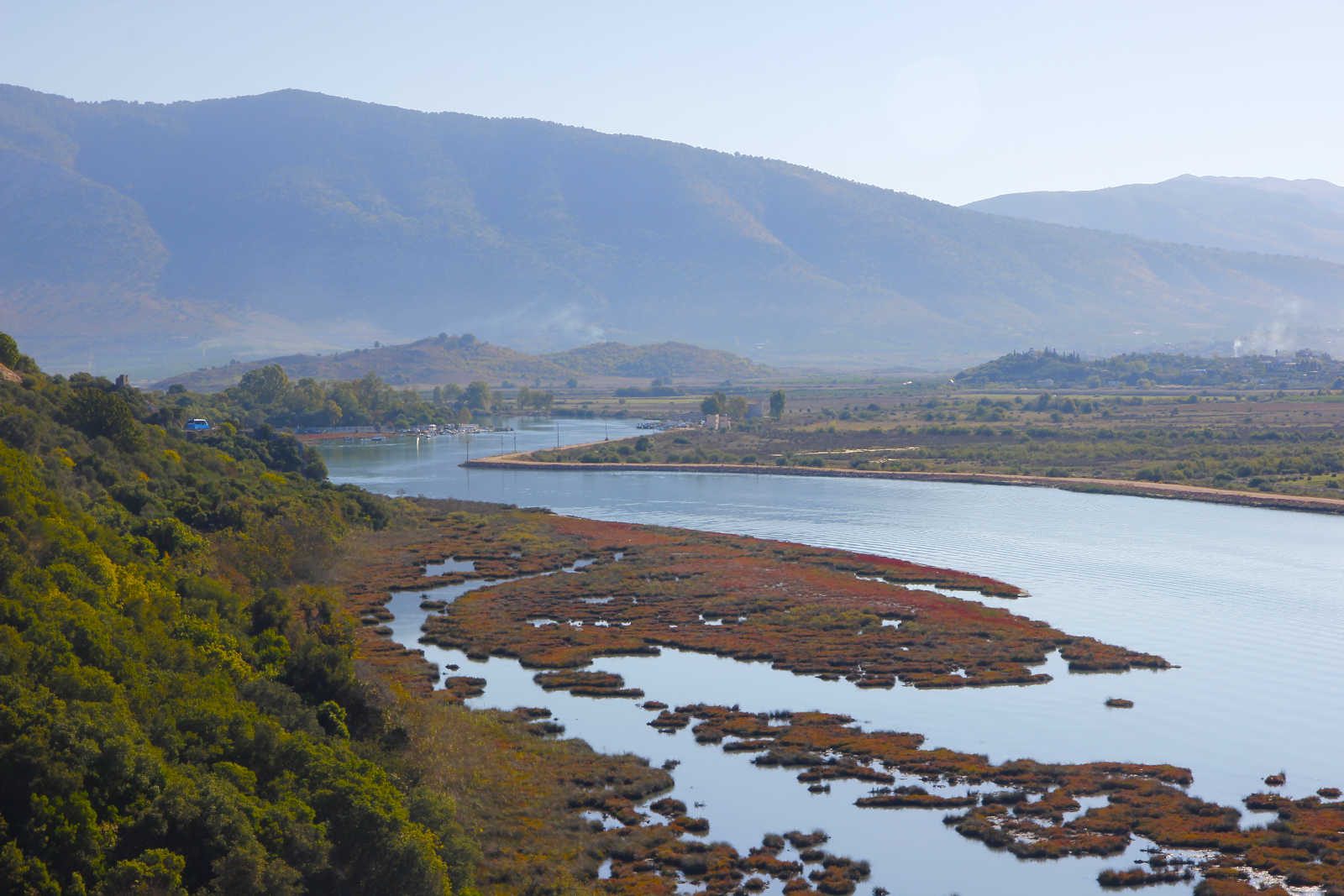
Il Canale di Vivari che collega il lago di Butrinto al mare e crea questo ambiente lagunare.
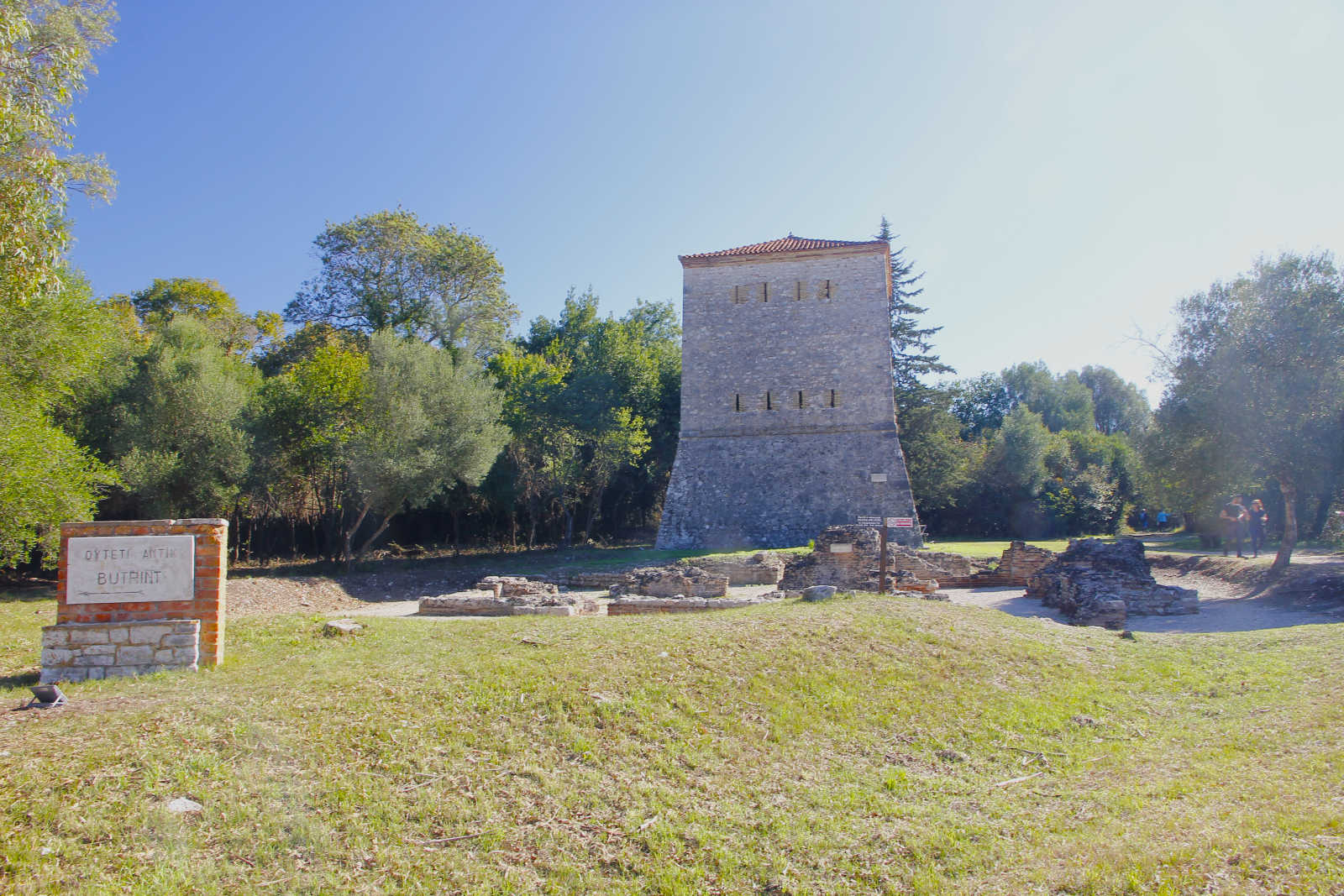
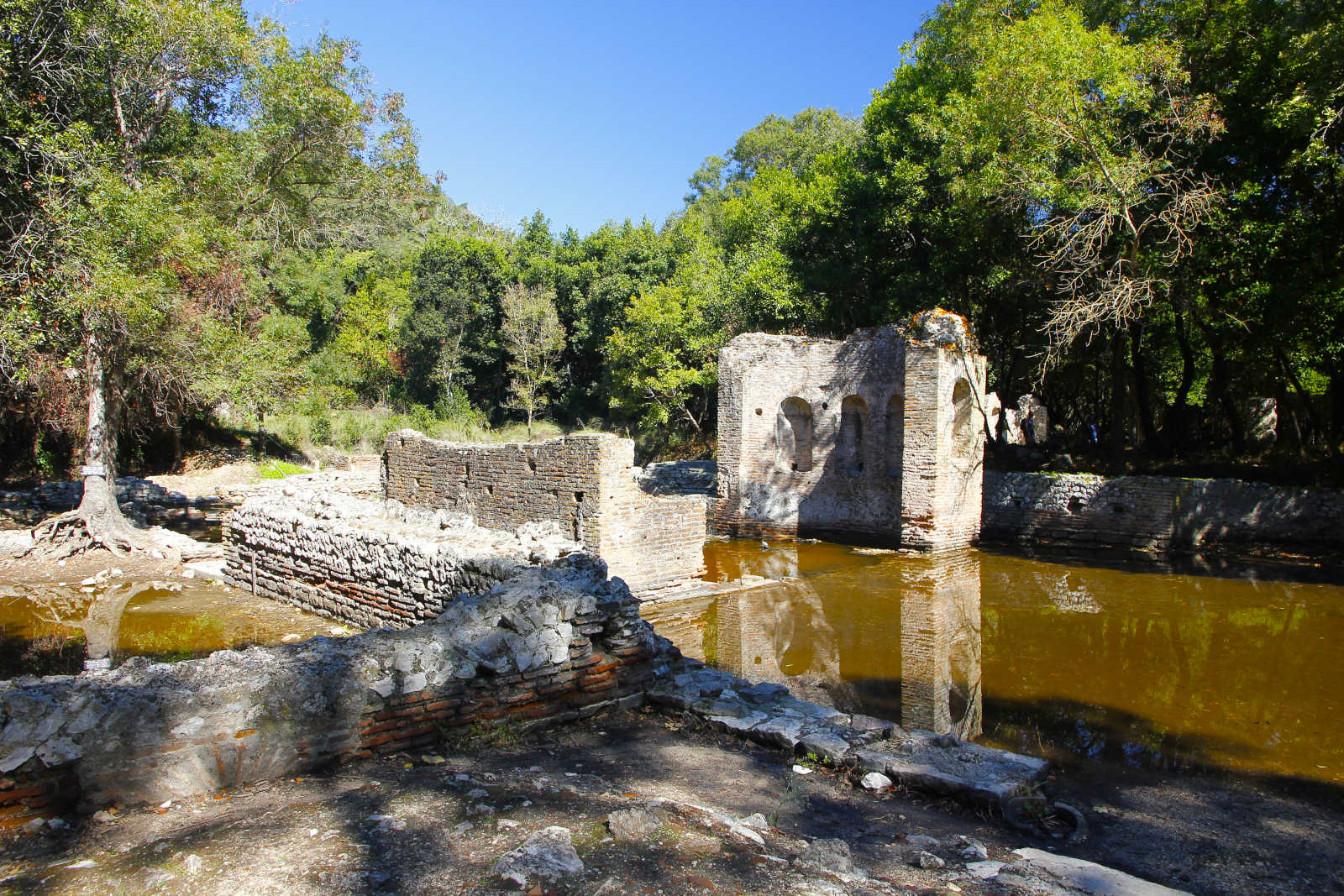
Ovviamente non potevamo non visitare le rovine dell'omonima città di Butrinto, patrimonio UNESCO dell’umanità dal 1992, che ha attraversato ogni fase storica di quest'area: ha visto succedersi tribù preistoriche, greci, romani, veneziani, ottomani…
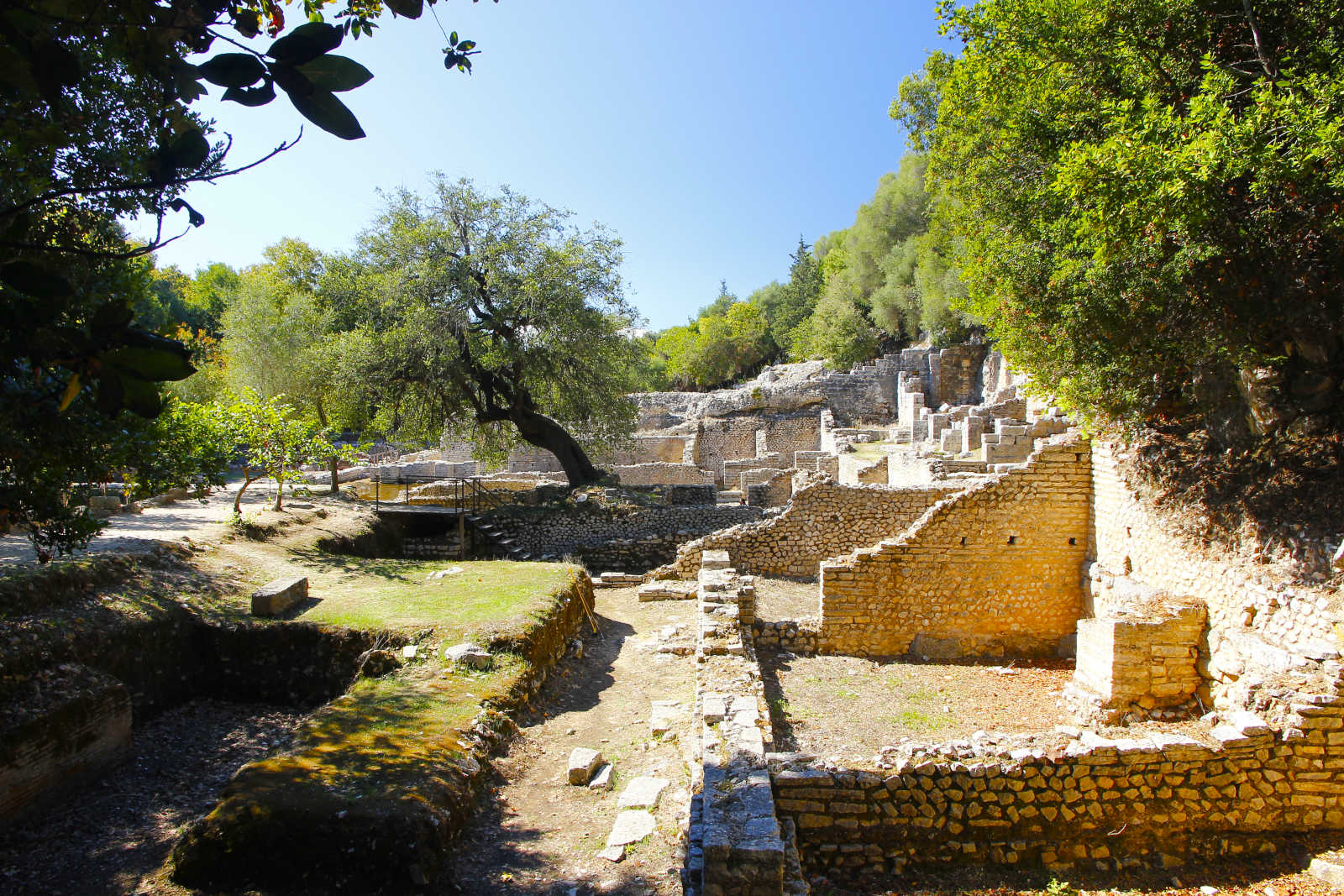
La visita è interessante ma le rovine sono escavate solo in parte e la vegetazione non aiuta a farsi un'idea complessiva della grandezza della città.
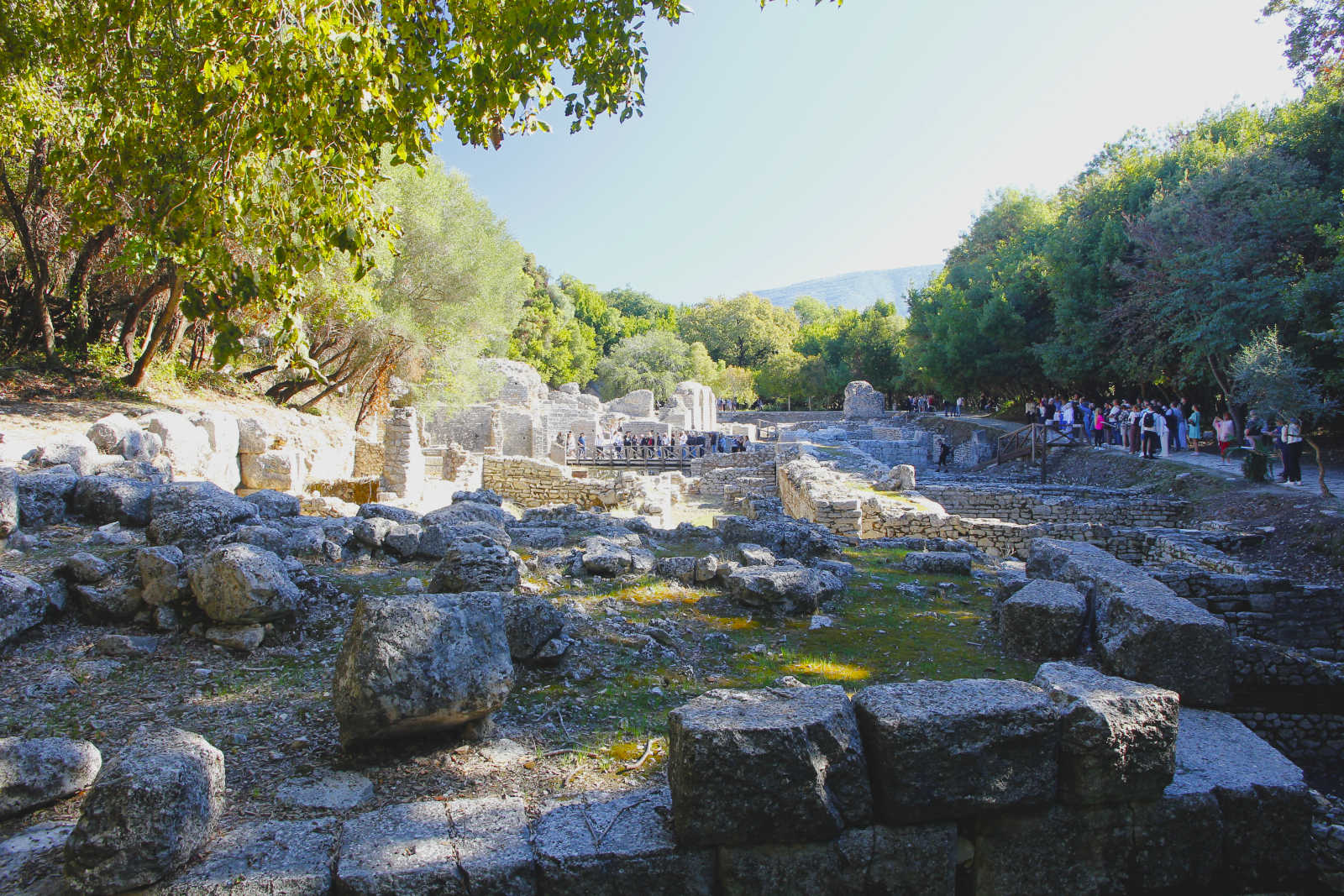
L'agorà, fulcro della vita cittadina nella città greca.
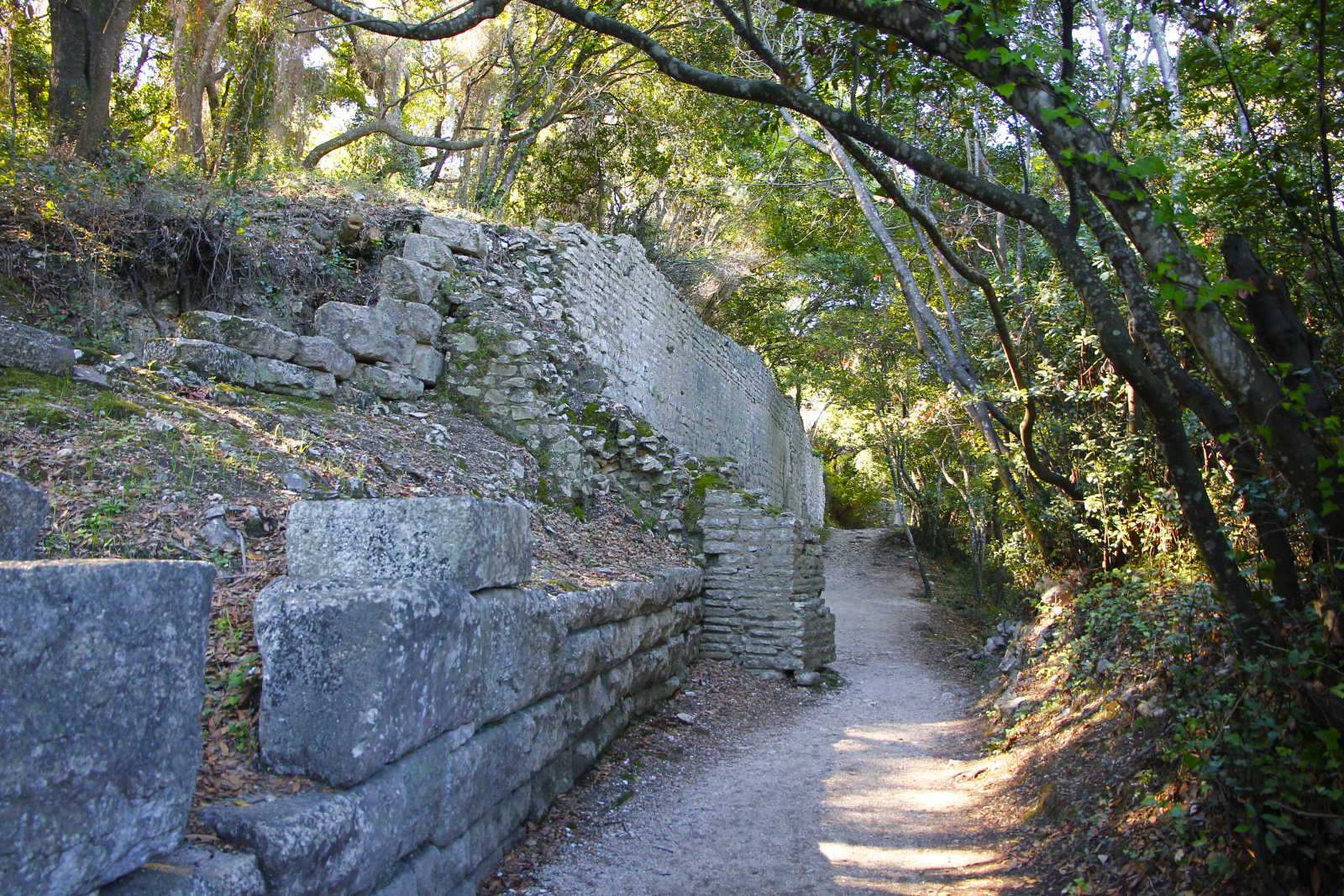
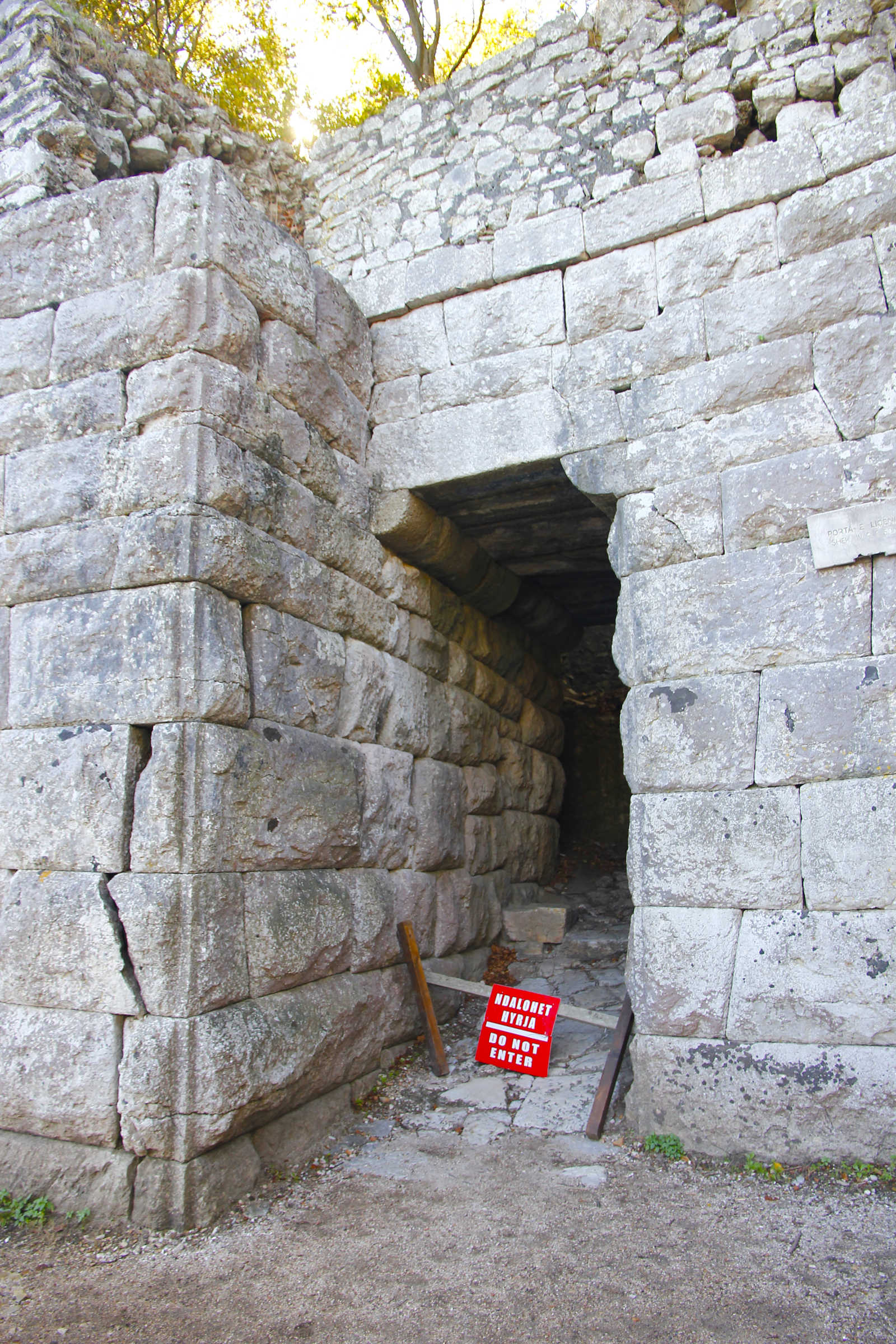
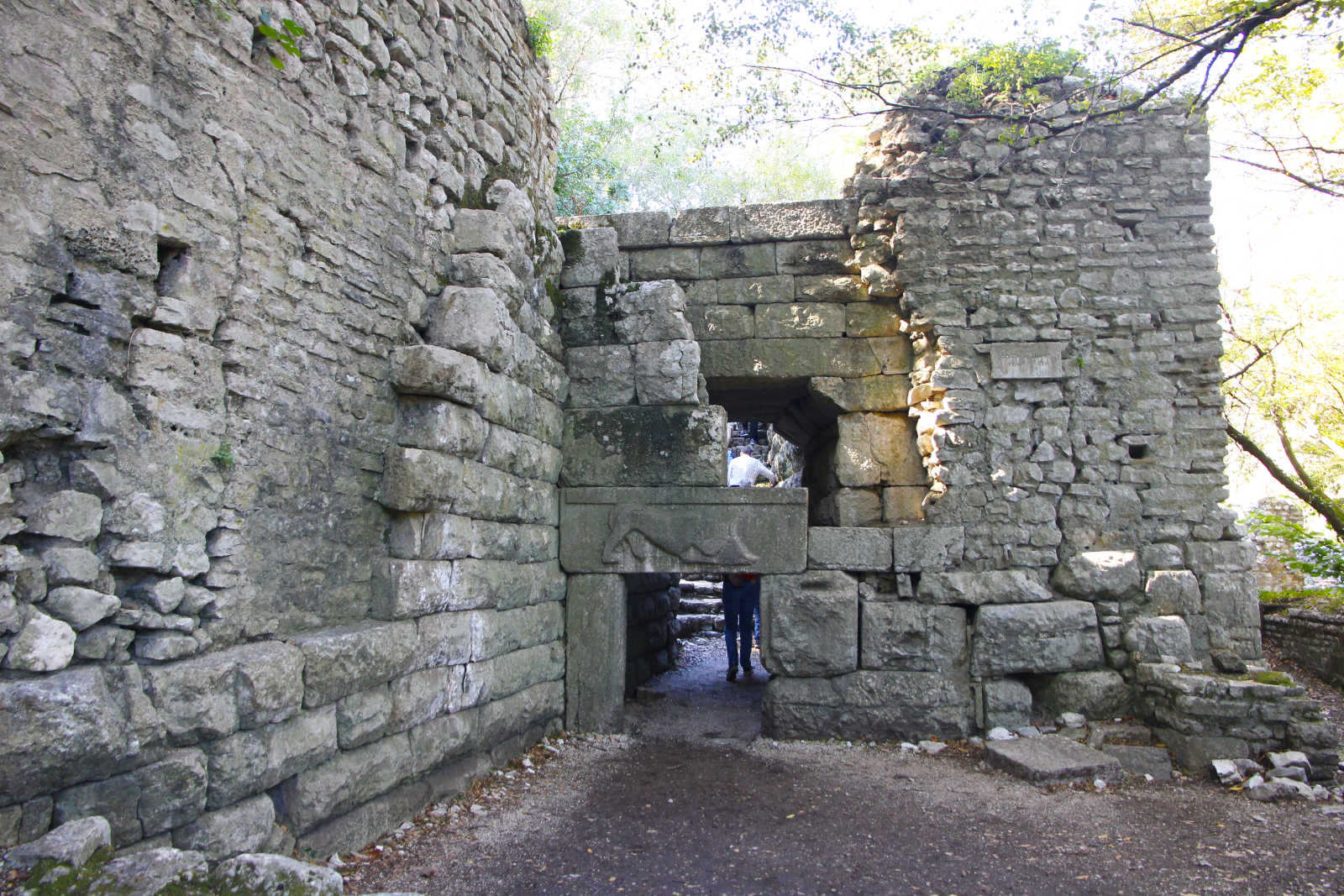
Un passaggio così angusto indica un periodo di conflitti dove la difesa aveva la priorità.
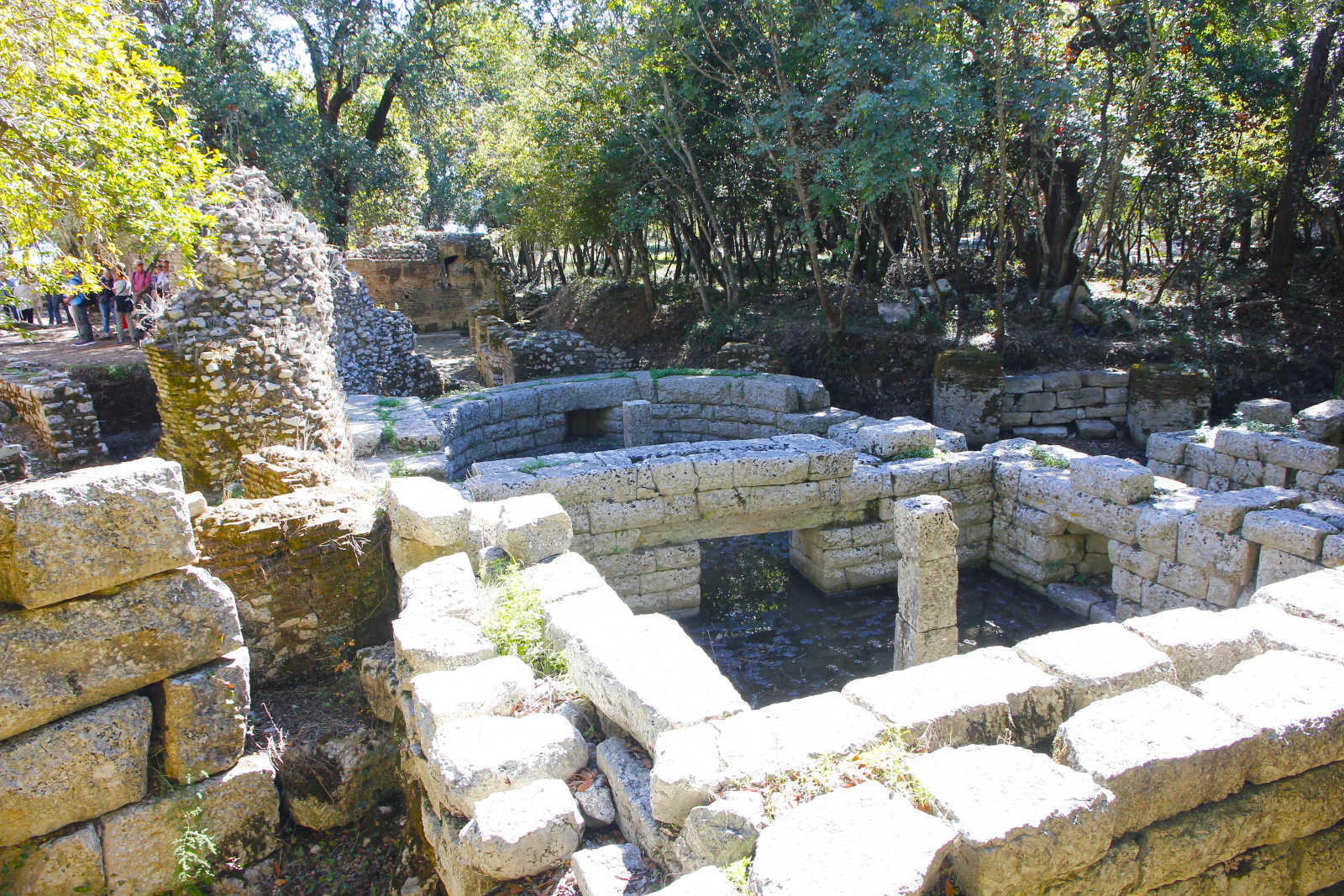
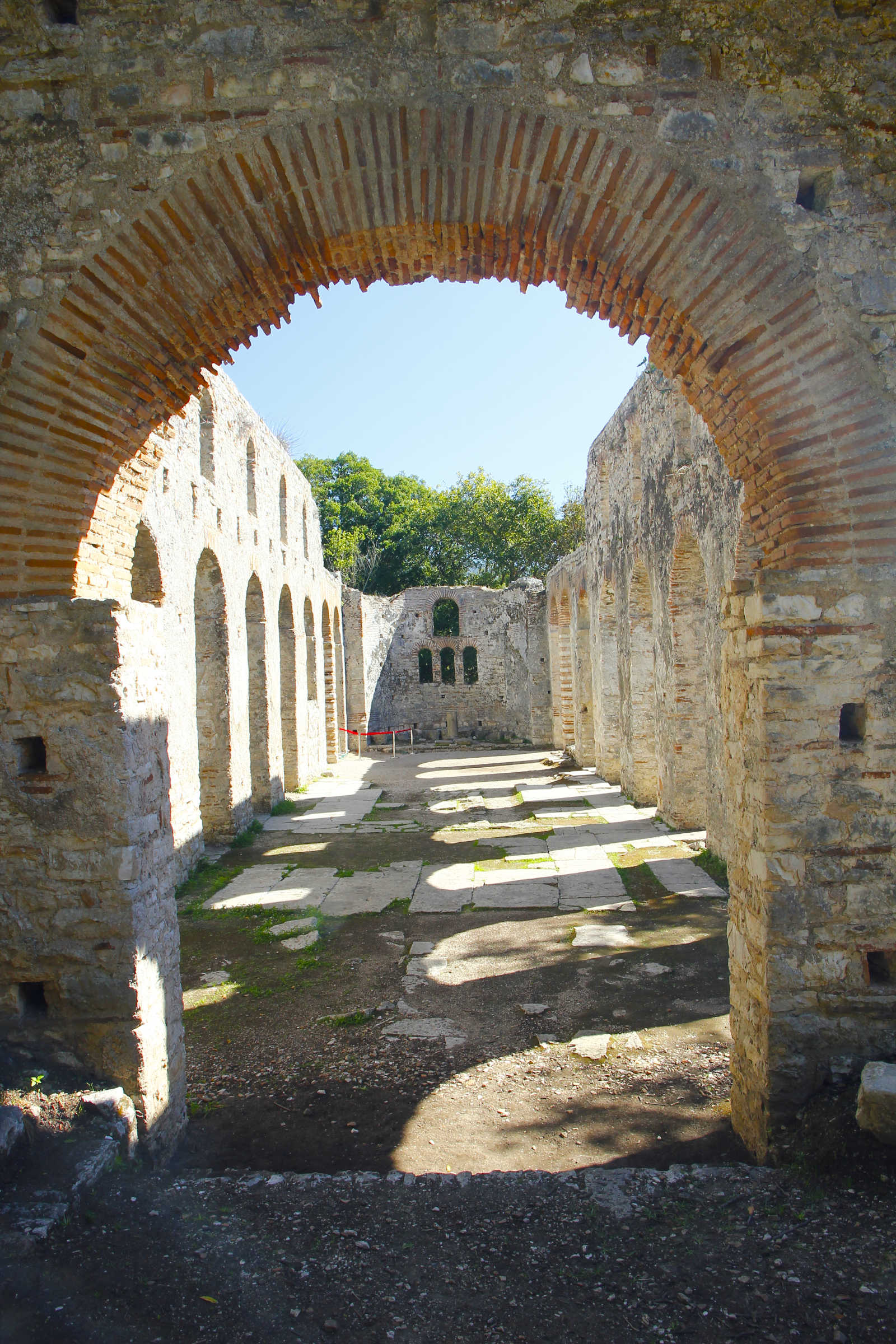
La basiliica bizzantina.
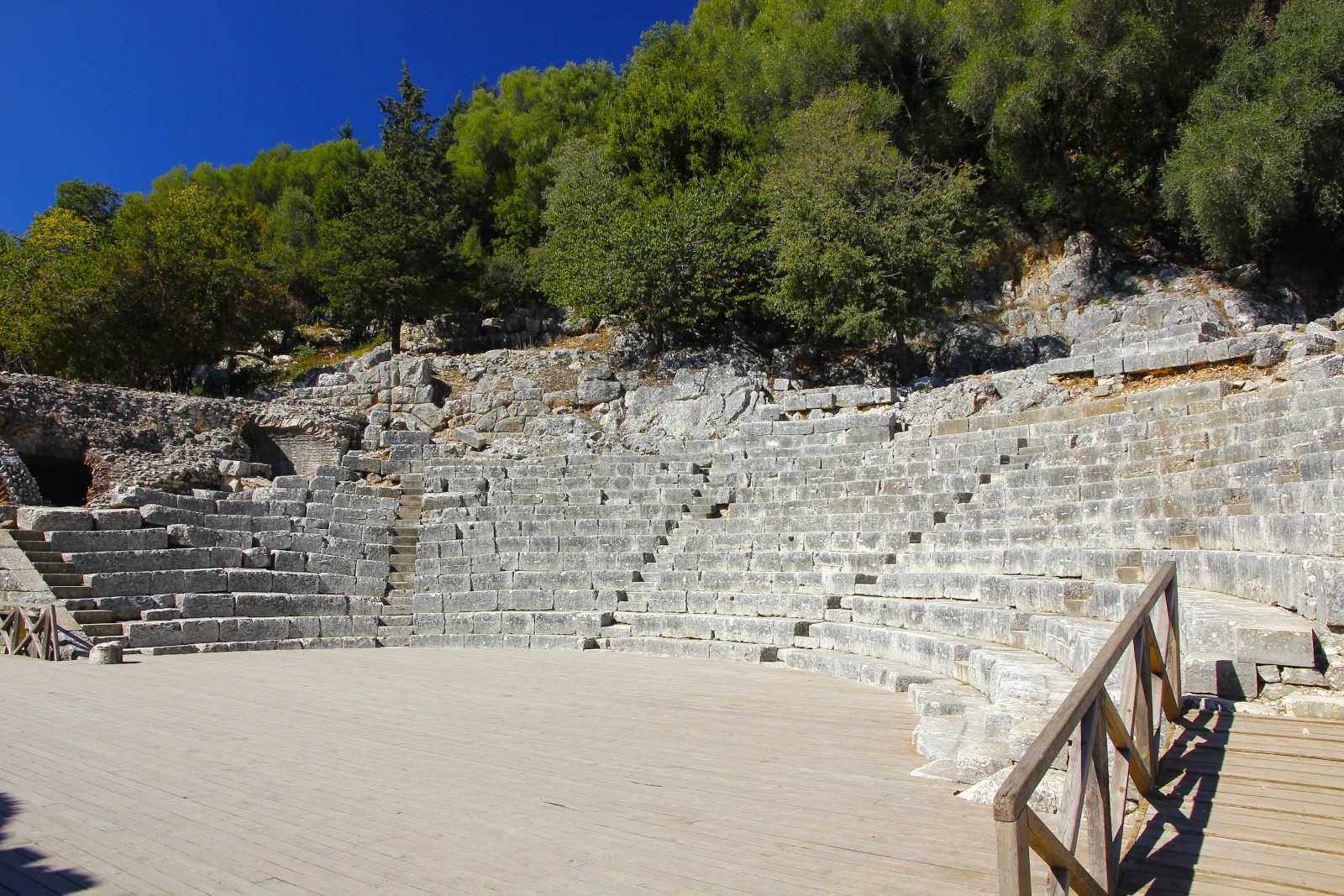
L'anfiteatro romano.

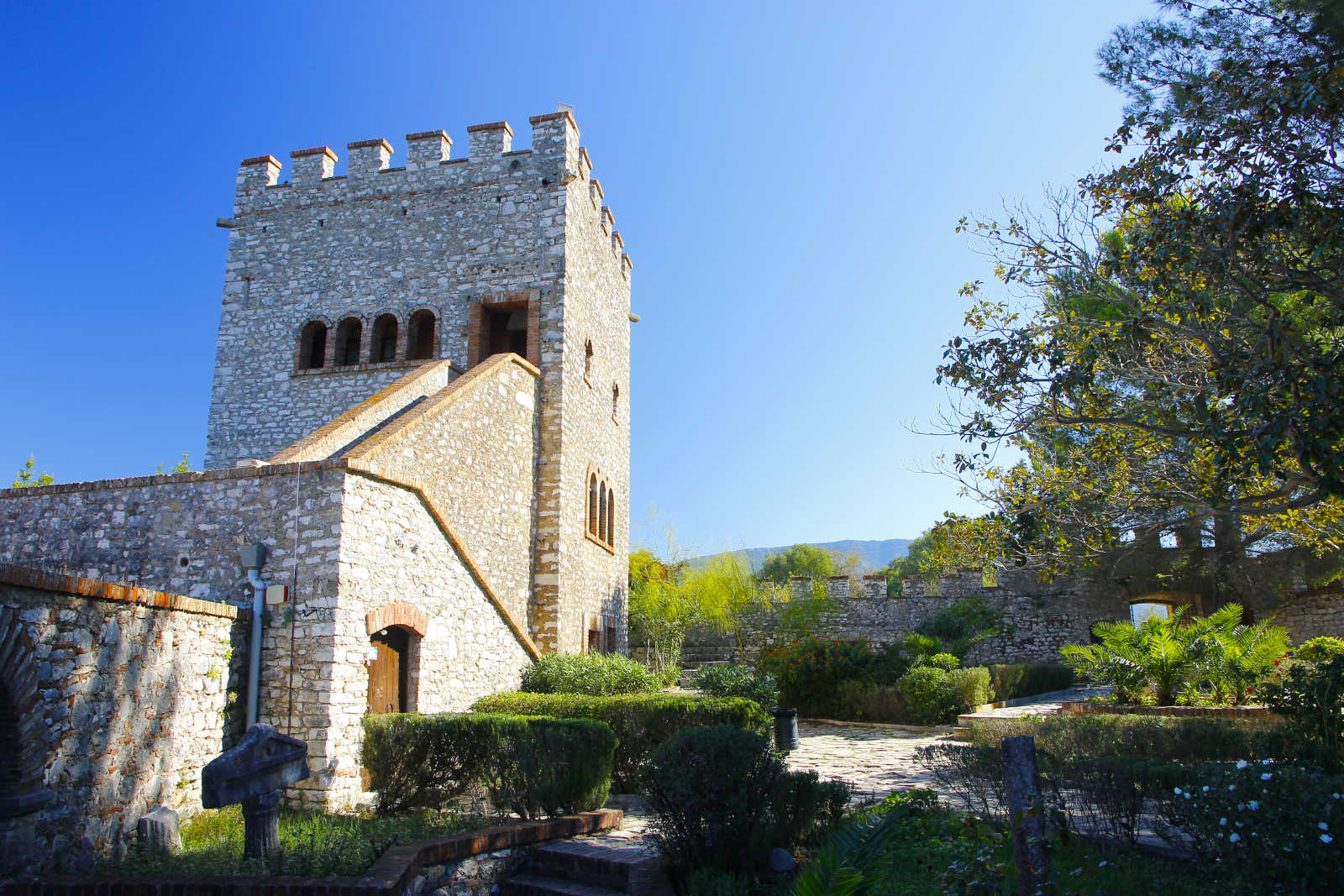
L'edificio più recente del complesso costruito nel 1500 dai Veneziani sul punto più alto della città.
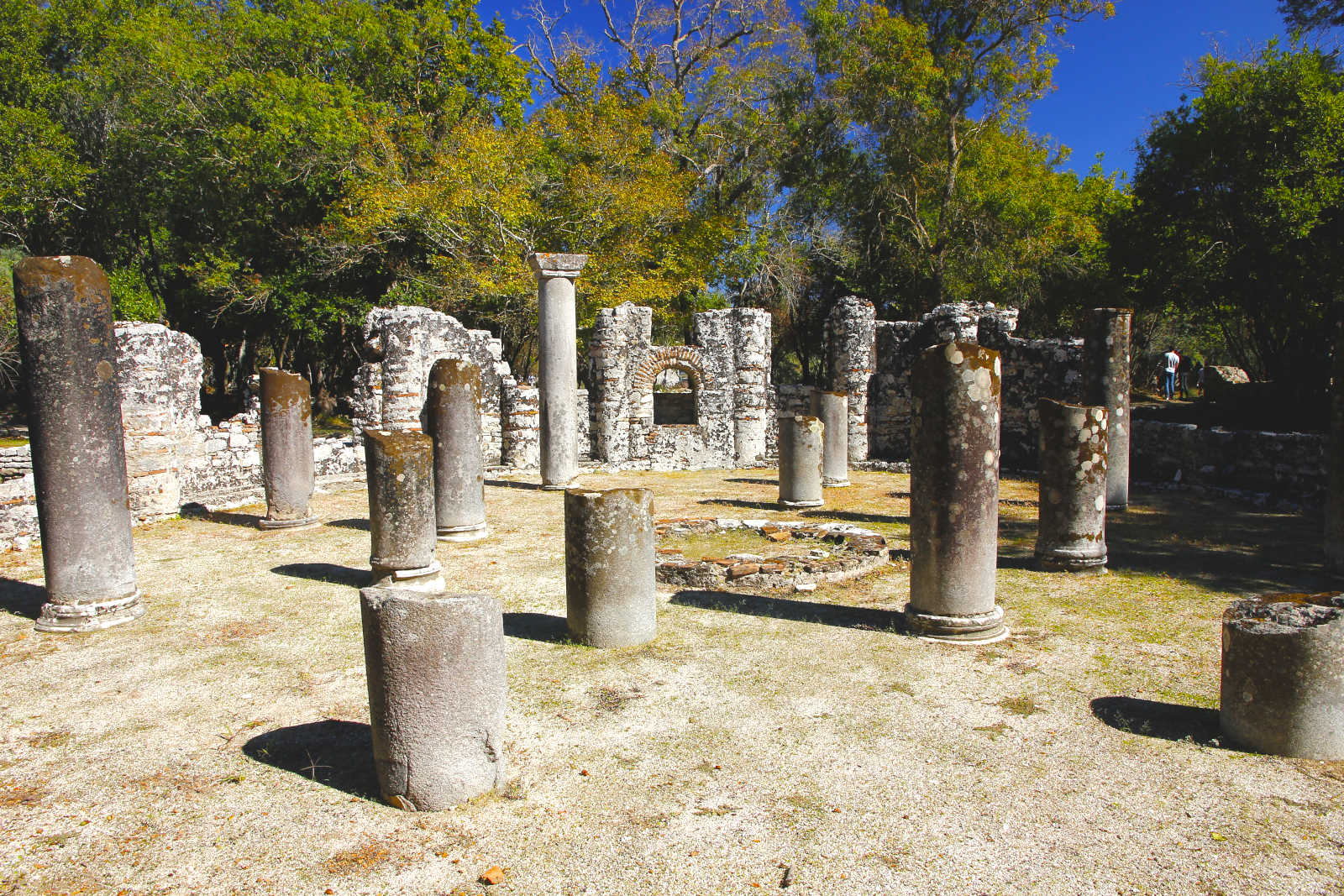
Tra queste colonne, resti di un'elegante villa romana, si nasconte un grande mosaico che però viene lasciato coperto per proteggerlo dalle intemperie e viene dissepellito circa ogni 5 anni solo per permetterne il monitoraggio.
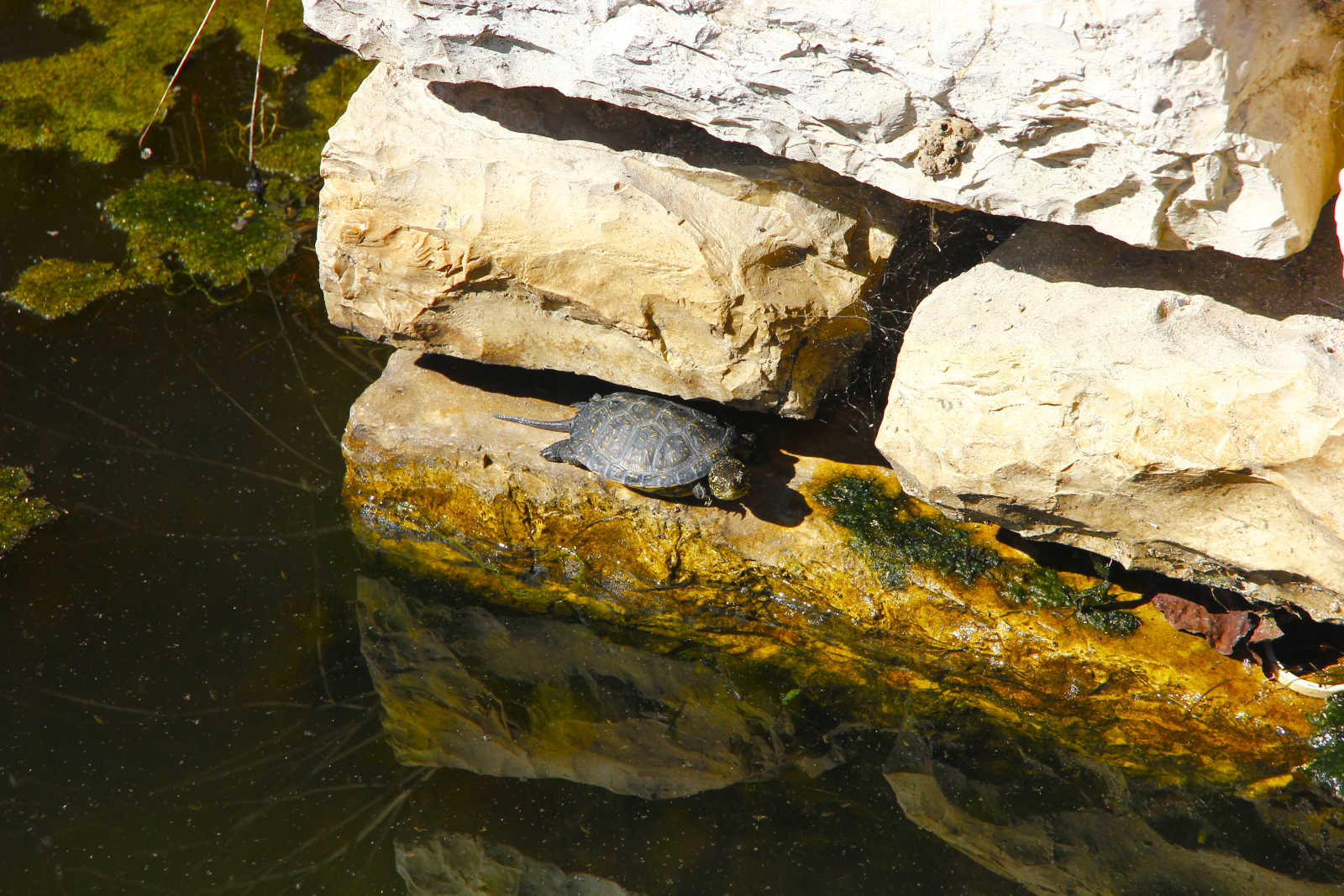
Nelle pozze da acqua di risorgiva tra i resti archeologici abbiamo avvistato diverse tartarughe.

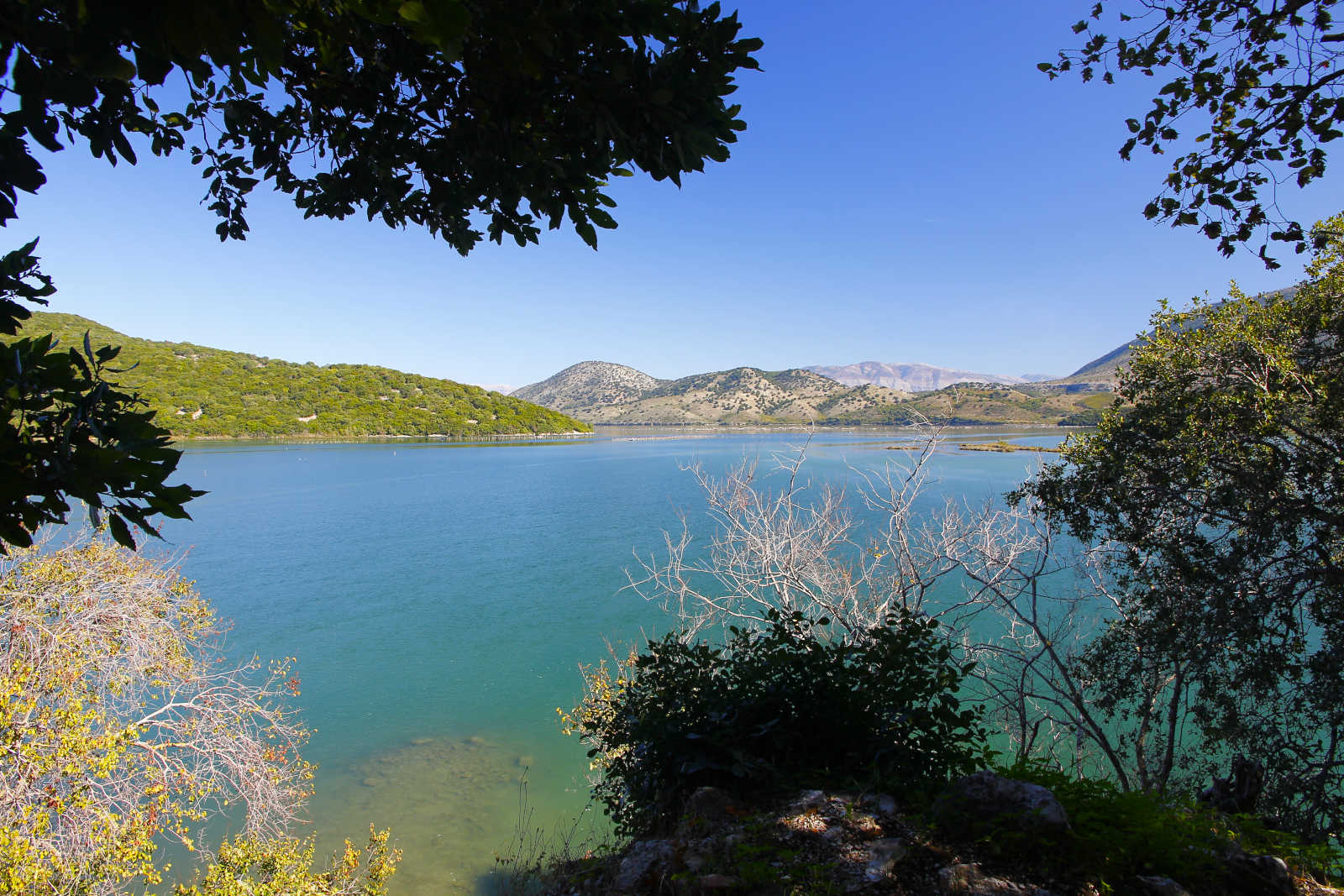
Il Lago di Butrinto dal parco archeologico.
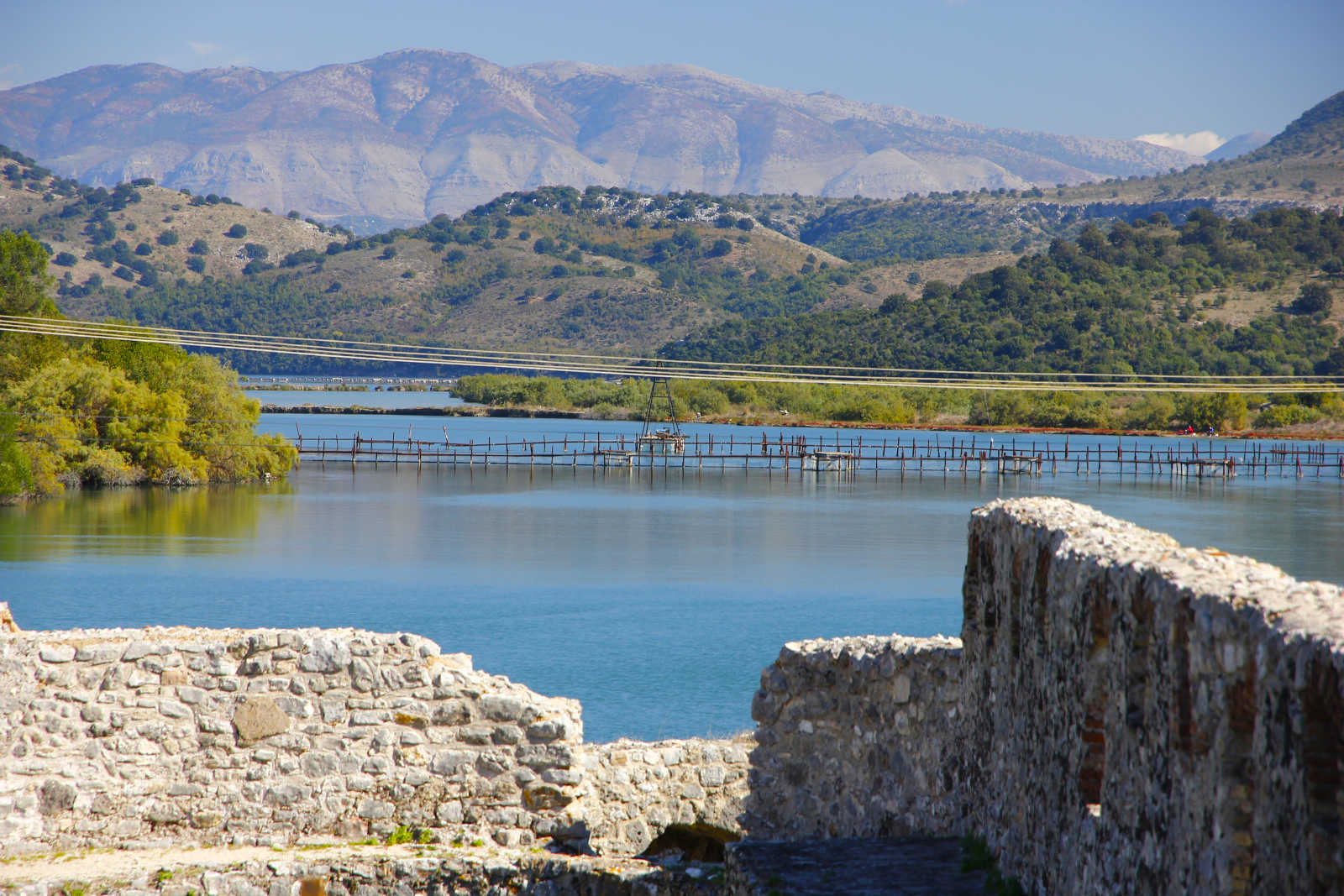
Dalla parte opposta del canale, di fronte al parco archeologico di Butrinto, si erge l'ennesima fortezza veneziana a base triangolare. Le due sponde del canale sono collegate da un traghetto a fune per permettere comunque il transito alle barche da pesca, molto attive nel lago di Burtrinto. I resti dell’acquedotto romano, eretto durante una delle fasi di massima espansione della città, sono invece disseminati tra i campi e pascoli tutt’intorno.
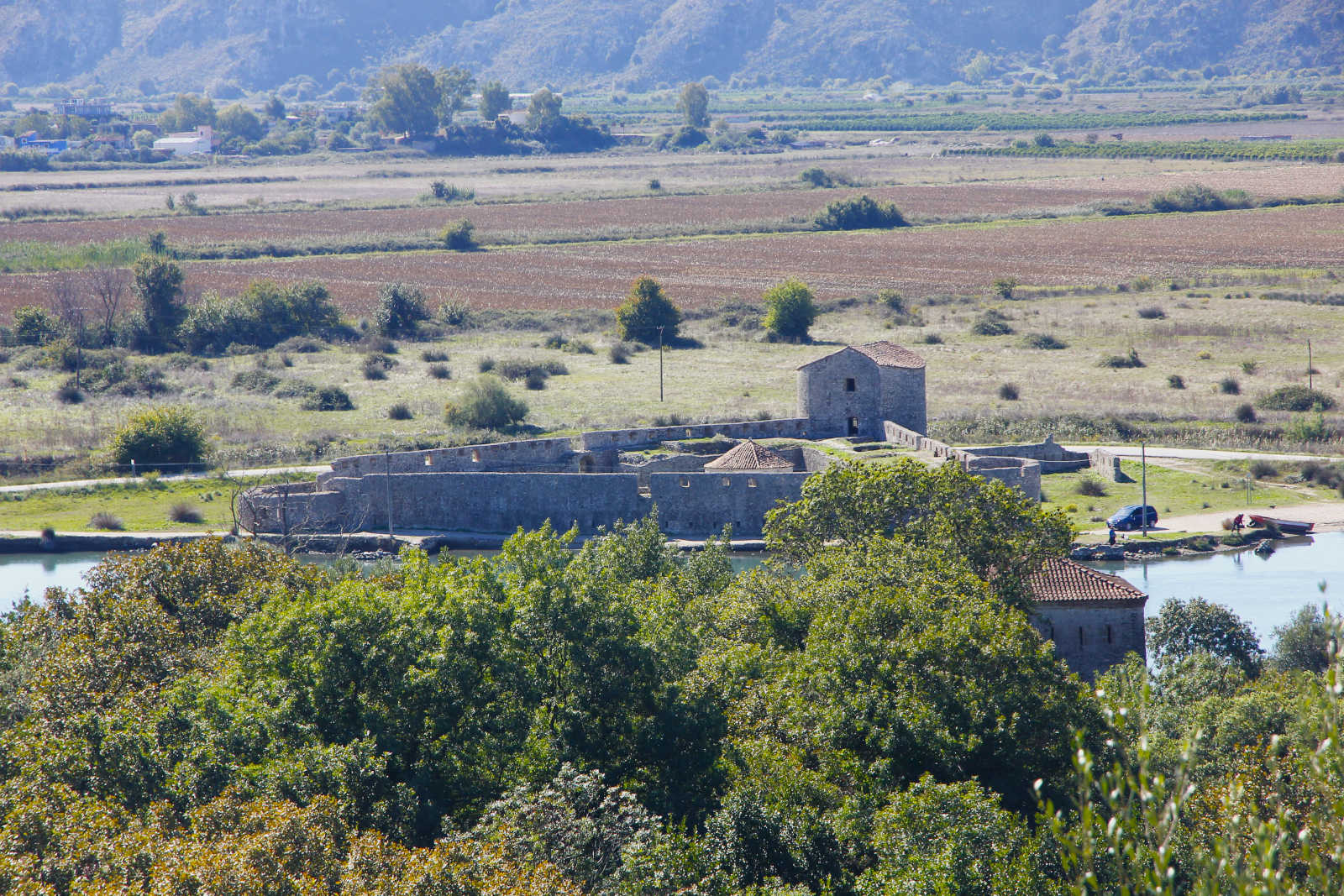
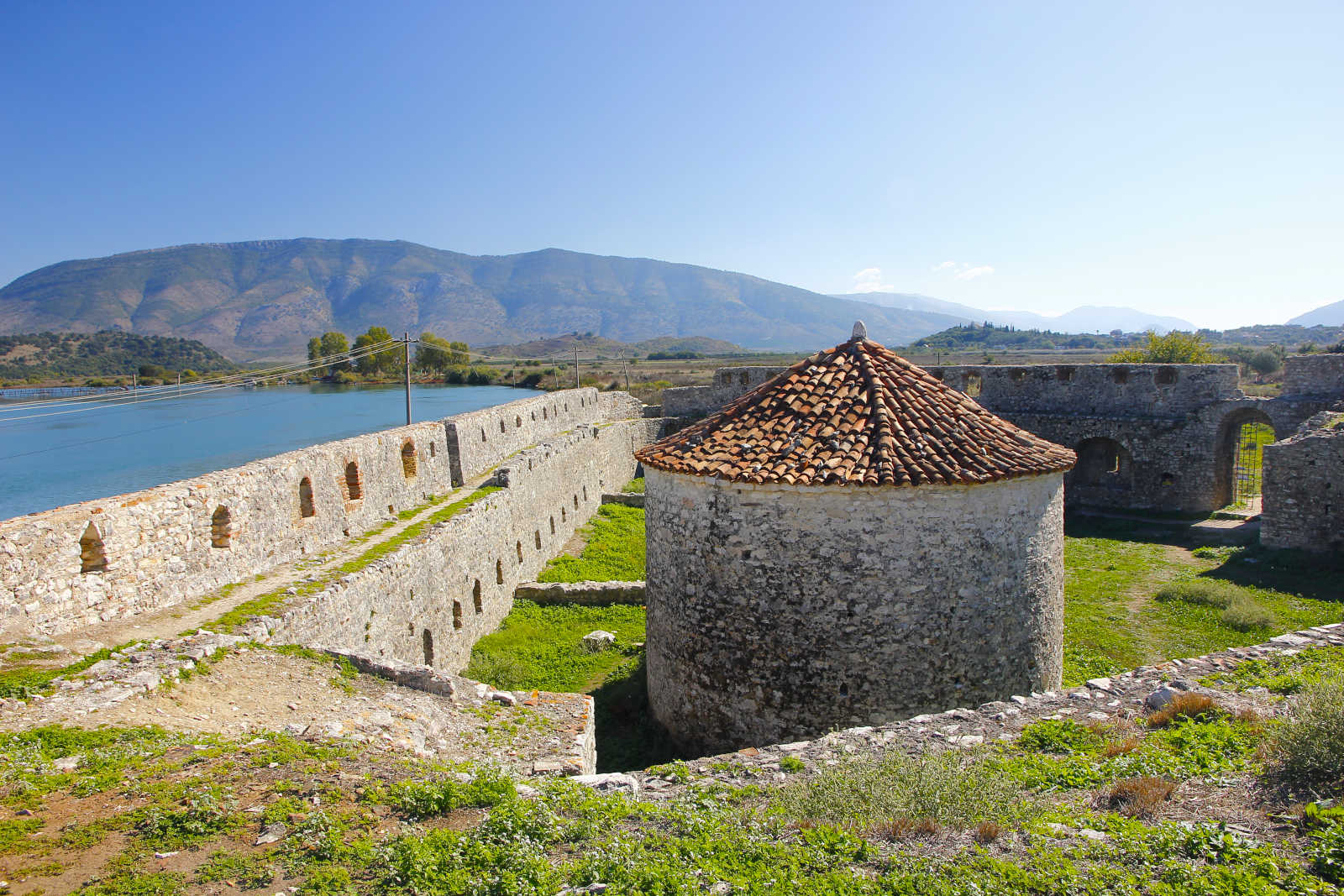
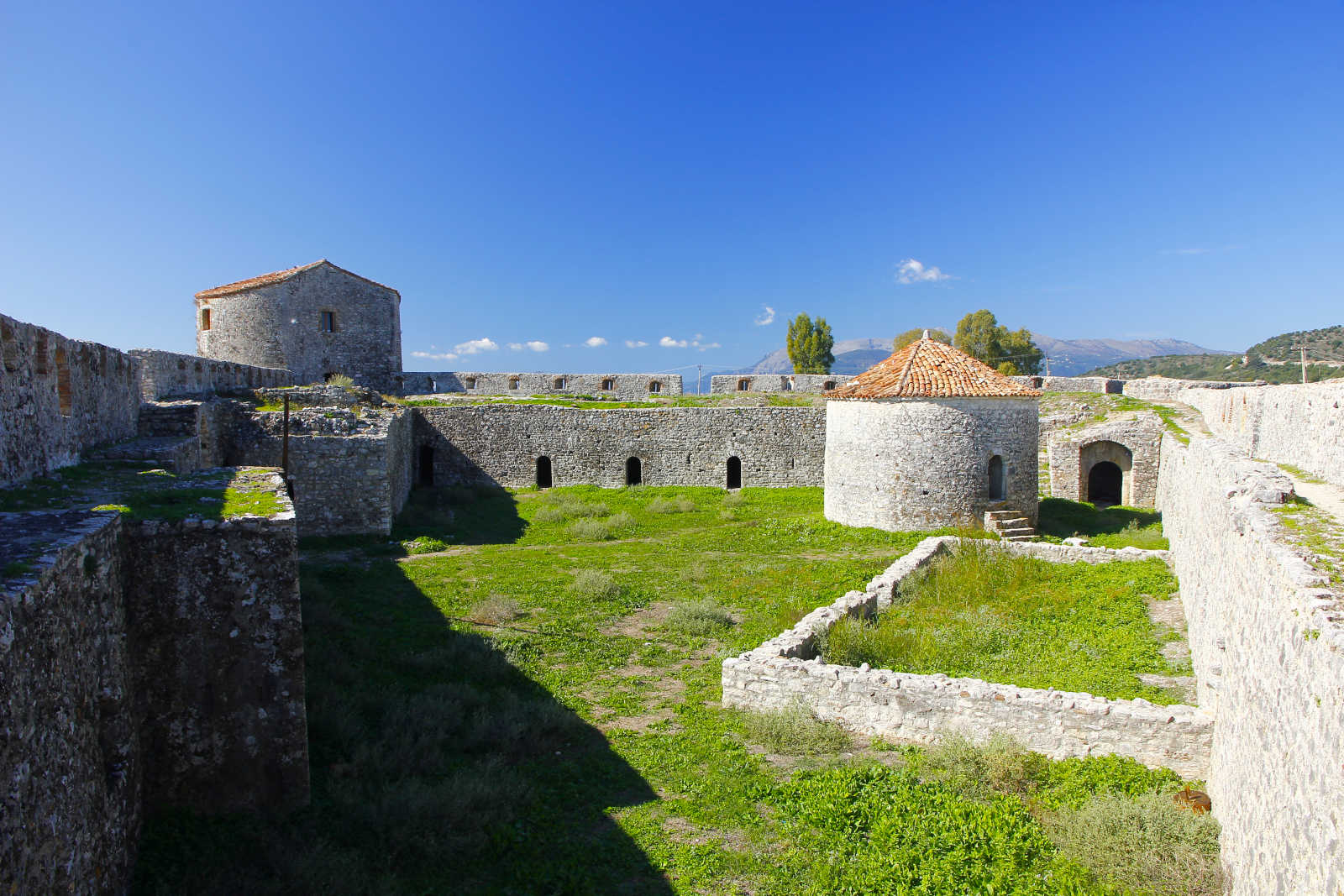
Vicino al nostro ancoraggio c'è un'altra fortezza di Ali Pasha (lo stesso di Porto Palermo) che è raggiungibile solo con piccole barche ergendosi praticamente sulle barene e quel che resta di un avamposto per il controllo del confine con gli immancabili bunker.
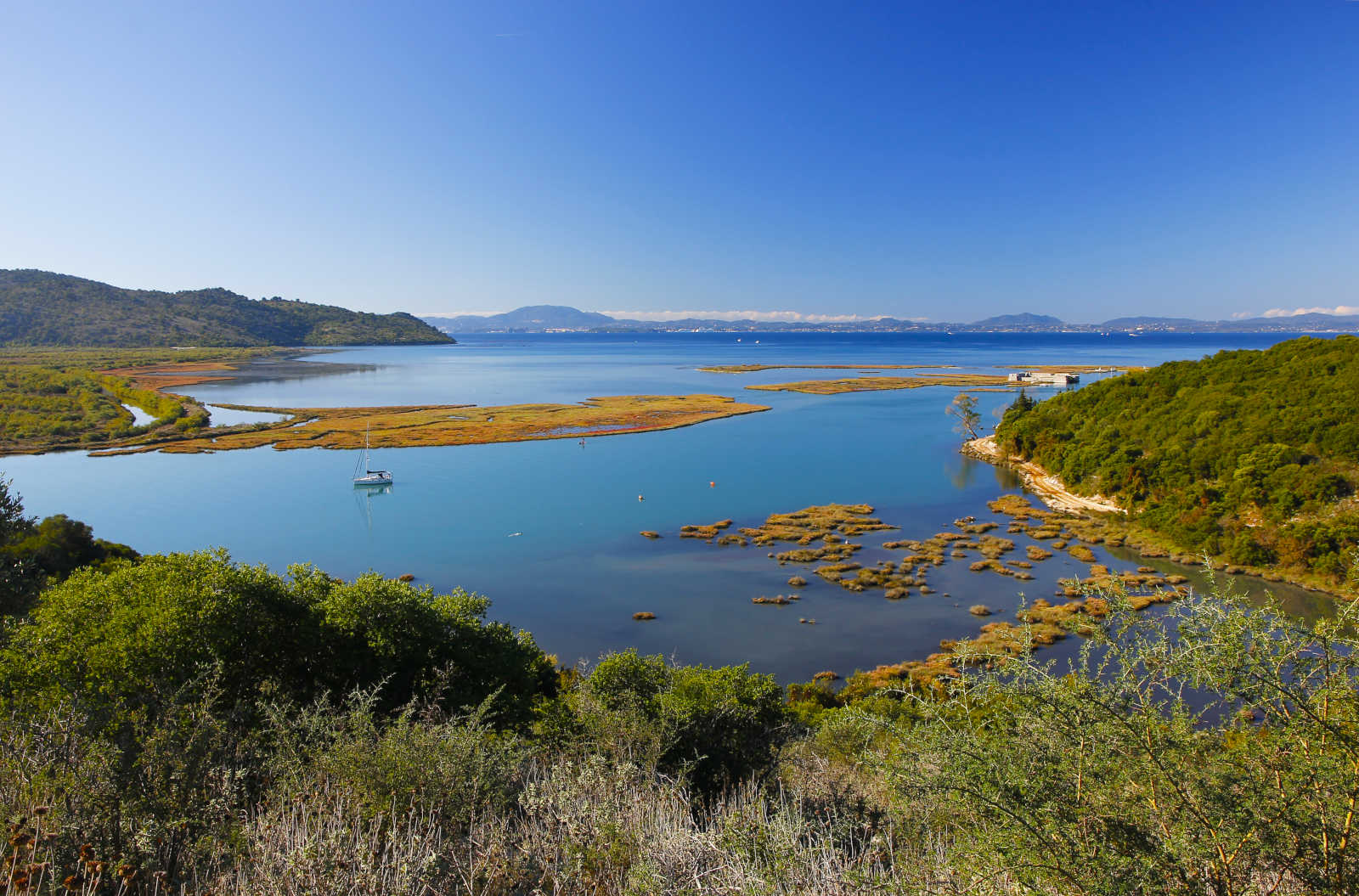
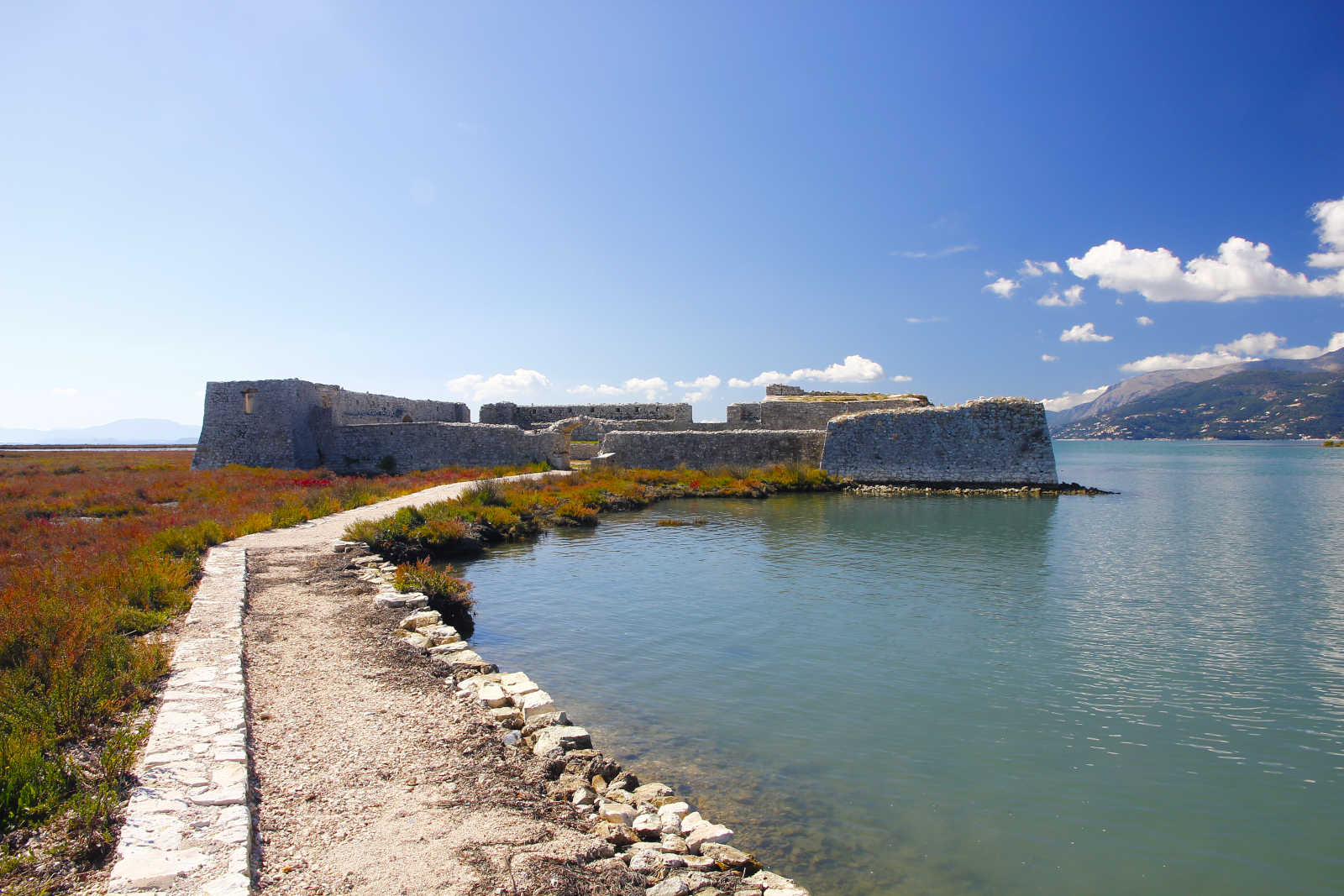

Ci godiamo le belle giornate di sole e ci divertiamo ad osservare la fauna lagunare. Un giorno ci si affianca persino una grandissima tartaruga marina che ci ha osservati prima di sparire nelle azzurre ma torbide acque di questa meravigliosa piccola laguna. Si dice che la Russia avesse proposto all’Albania di costruire una grande base per sottomarini allo sbocco del lago, per fortuna il progetto non è mai stato nemmeno iniziato!
Il 12 ottobre leviamo l'ancora e ci dirigiamo a Saranda per prepararci per la traversata. Rimaniamo giusto un paio di giorni per rifornirci di carburante e cambusa e soprattutto fare le pratiche di uscita dall'Albania, servendoci ancora una volta di un'agente (una efficiente signora in questo caso che ci aveva contattato sull’app per croceristi che usiamo offrendo i suoi servizi).
L'ultima sera decidiamo di fare un'ultima cena in un ristorante tipico albanese.
Scegliamo un posto un po' defilato dal centro gestito da un istrionico ragazzo albanese che parla perfettamente inglese e con cui facciamo una chiacchierata stimolante che ci aiutano a capire meglio le persone di questo posto e la società albanese. D'altronde siamo i suoi unici clienti in questa serata di fine estate. Il cibo, il vino e il raki (rigorosamente di produzione propria) non ci hanno delusi .
Butrint and our last night in Albania
3 Mar, 2026
On October 5, we sailed north again to reach Ksamil, a renowned tourist destination. The bay is beautiful with its islets, but it is invaded by small speedboats and jet skis and the town consists of hotels, bed & breakfasts and bars for tourists. We really did not connect and we didn't even take a picture! We went grocery shopping and had a chat with an Italian tourist who offered us a ride in the car after seeing us land on the beach with the tender.
We had not our best night and we returned for a few more days in the safety of Tongo bay.
Our time in Albania was coming to an end and our biggest crossing yet was approching. But first we got to enjoy the last days of the cruise exploring the Butrint lagoon.
After finding the channel dug by the tidal currents of the lagoon, we proceeded slowly and found a good place to anchor Lilith. There was no better way to end this trip in this wonderful and varied land unknown to us till a month ago.
Suddenly we felt ike we have returned to our Venetian Lagoon.
The Vivari Channel connects the Butrint Lake to the sea and runs through the lagoon.
Obviously, we could not fail to visit the ruins of the city of Butrint, a UNESCO World Heritage Site since 1992, which had developed through the Ages: prehistoric tribes, Greeks, Romans, Venetians, Ottomans..
The visit was interesting but the ruins are only partially excavated and the vegetation does not help to get an overall idea of the city.
The agora, the centre of the city life in ancient Greece.
Such a narrow and low passage indicates a difficult time for the city, when defense was a priority.
The Byzantine basilica.
The Roman theatre.
The most recent building was built by the Venetians in the 1500s on the hilltop.
The mosaic pavements within the remains of the roman villa are not permanently visible; they are covered with sand and gravel to protect them from environmental damage.
In the spring water pools we have spotted several turtles.
View of the Butrint Lake from the archeological park.
On the opposite side of the canal, in front of the archaeological park of Butrint, stands yet another triangular-based Venetian fortress. The two sides of the canal are connected by a rope ferry to allow the transit of fishing boats, which are very active in Lake Burtrint. The remains of the Roman aqueduct, erected during one of the city's phases of maximum expansion, are scattered among the surrounding fields and pastures.
Near our anchorage there was another fortress of Ali Pasha (the same as Porto Palermo) standing practically on the salt marsh that can only be reached with small boats, and an abandoned border control building with the inevitable bunkers.
We enjoyed the beautiful sunny days and had fun observing the lagoon fauna. One day there was even a very large sea turtle that observed us before disappearing into the blue but murky waters of this wonderful little lagoon.
It is said that Russia had proposed to Albania to build a large submarine base at the mouth of the lake, fortunately the project was never even started!
On October 12, we lifted the anchor and headed to Saranda to prepare for the crossing. We stayed just a couple of days to stock up fuel and groceries and above all do the exit paperwork from Albania, once again hiring an agent (an efficient lady in this case who had contacted us on the app for cruisers that we use offering her services).
On the last evening we decided to have one last dinner in a typical Albanian restaurant.
We chose a place a little out of the center run by a histrionic Albanian guy in his 30s who spoke perfect English and with whom we had a nice and interesting chat that helped us better understand the Albanian people, culture and society. We were the only customers on that late summer evening. All the ingredients were from the family farm: the food, the wine and the raki did not disappoint.