Alla scoperta dell'entroterra albanese
9 Dicembre 2025
- ENGLISH VERSION BELOW -
Il vento forte da sud-est fa entrare un'onda fastidiosa fino al pontile nel porto di Durres, ma non è un problema visto che contiamo di stare in giro durante il giorno e comunque sappiamo che Lilith è al sicuro anche se balla un po' in nostra assenza.
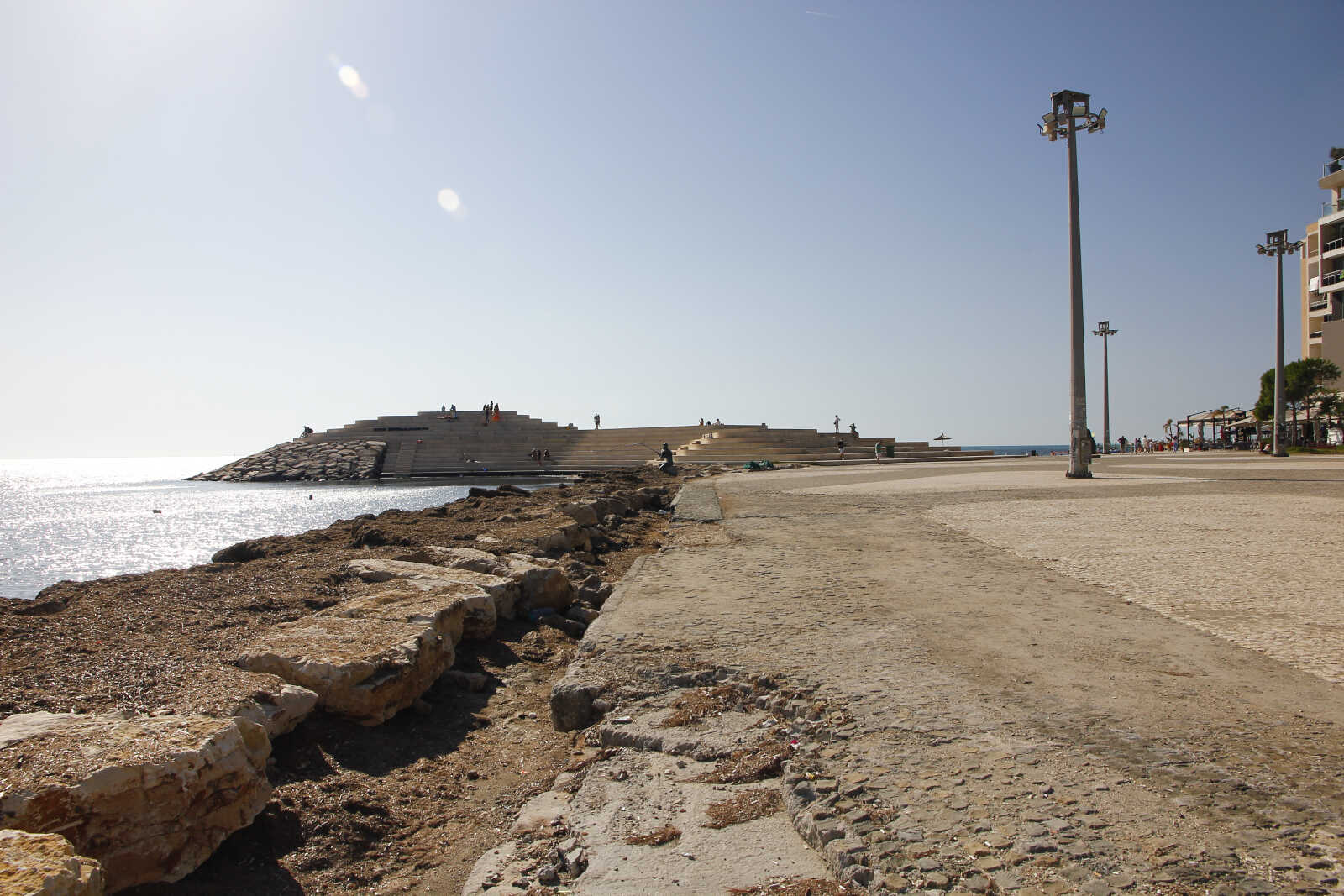
Il giorno dopo abbiamo appuntamento per pranzo con i genitori di Melani e così abbiamo occasione di vedere il lungomare più recente di Durres: gli hotel sono tutti nuovissimi o ancora da finire e la spiaggia è un stabilimento dopo l'altro. Il mare non è bellissimo, ma Durres che è la seconda città più popolosa dell'albania offre molti luoghi che meritano di essere visti oltre al flaire di grande città portuale. Inoltre trovandosi a metà della costa albanese, è il punto di partenza perfetto per esplorare l'entroterra.
L'indomani avevamo programmato di visitare il centro di Durazzo, ma purtroppo a causa delle forti piogge della notte alcune zone erano allagate, quindi abbiamo preferito andare a Kruja, un paesino a 45 km a Nordest di Durres, famoso per il bazar risalente al Medioevo e il castello di Skandergberg.
Lasciata l'autostrada e il litorale turistico passiamo per tanti paesini e cittadine vivaci e autentiche che ci danno un assaggio degli ingorghi molto comuni sulle strade albanesi.
Kruja è arroccata ai piedi di alte montagne ricche di sorgenti d'acqua, da cui deriva il nome della città e hanno reso possibile l'insediamento fino dall'antichità di tribù illiri, poi conquistati dai Romani e nel 1190 divenne la capitale del primo stato albanese del Medioevo, il Principato di Arbër. Che in seguito fu integrato nell'Impero Bizantino e poi nel Regno di Serbia, fino al 1415 quando venne conquistata dall'Impero Ottomano di cui fece parte, come tutta l'Albania, quasi ininterrottamente fino alla sua caduta cinque secoli dopo.
Dell'eredità ottomana resta ancora in città il pittoresco mercato e oggi sulle bancherelle si vedono souvenir, prodotti tipici, tappeti artigianali, abiti tradizionali e i tipici copricapo in lana cotta.
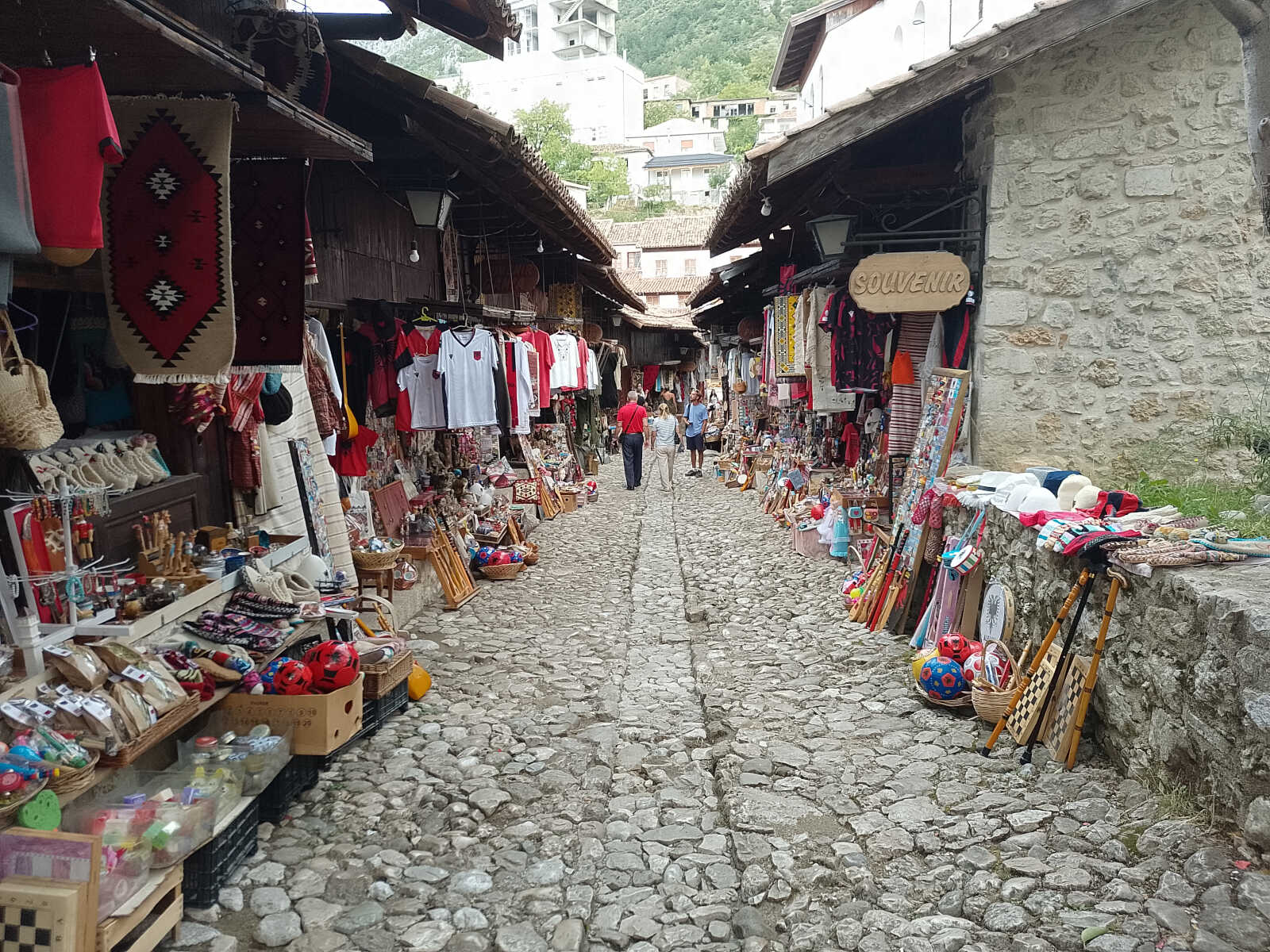
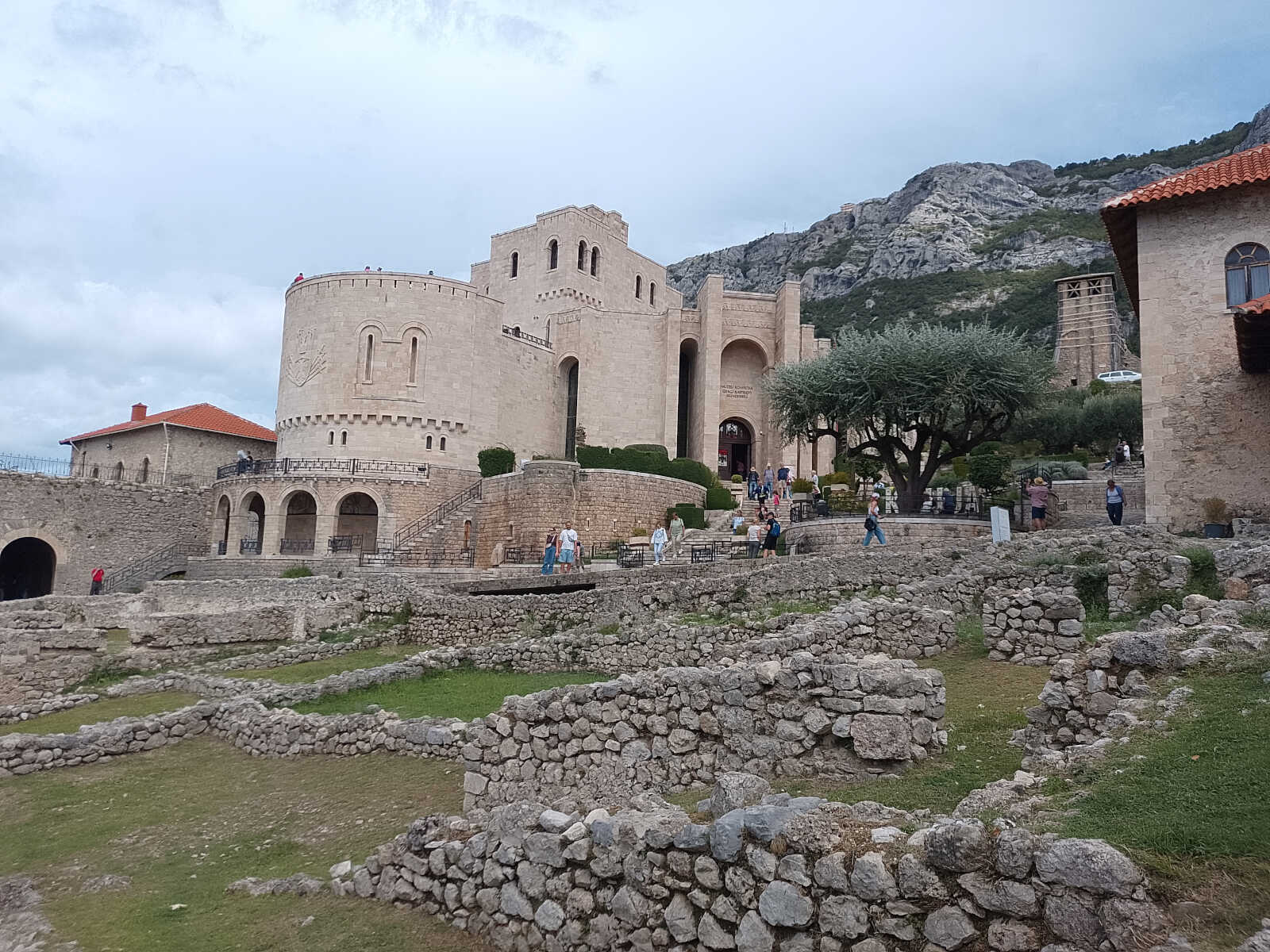
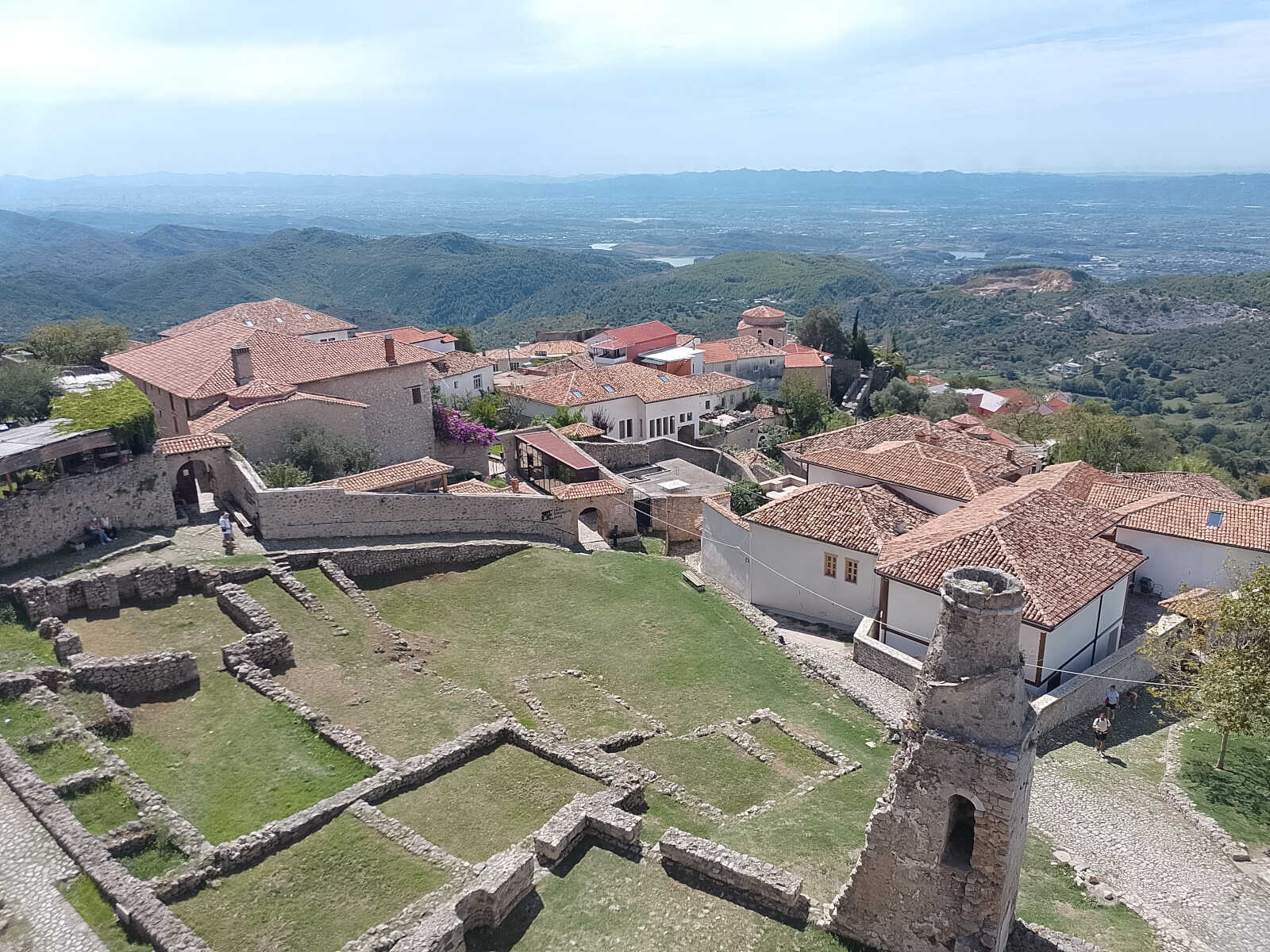
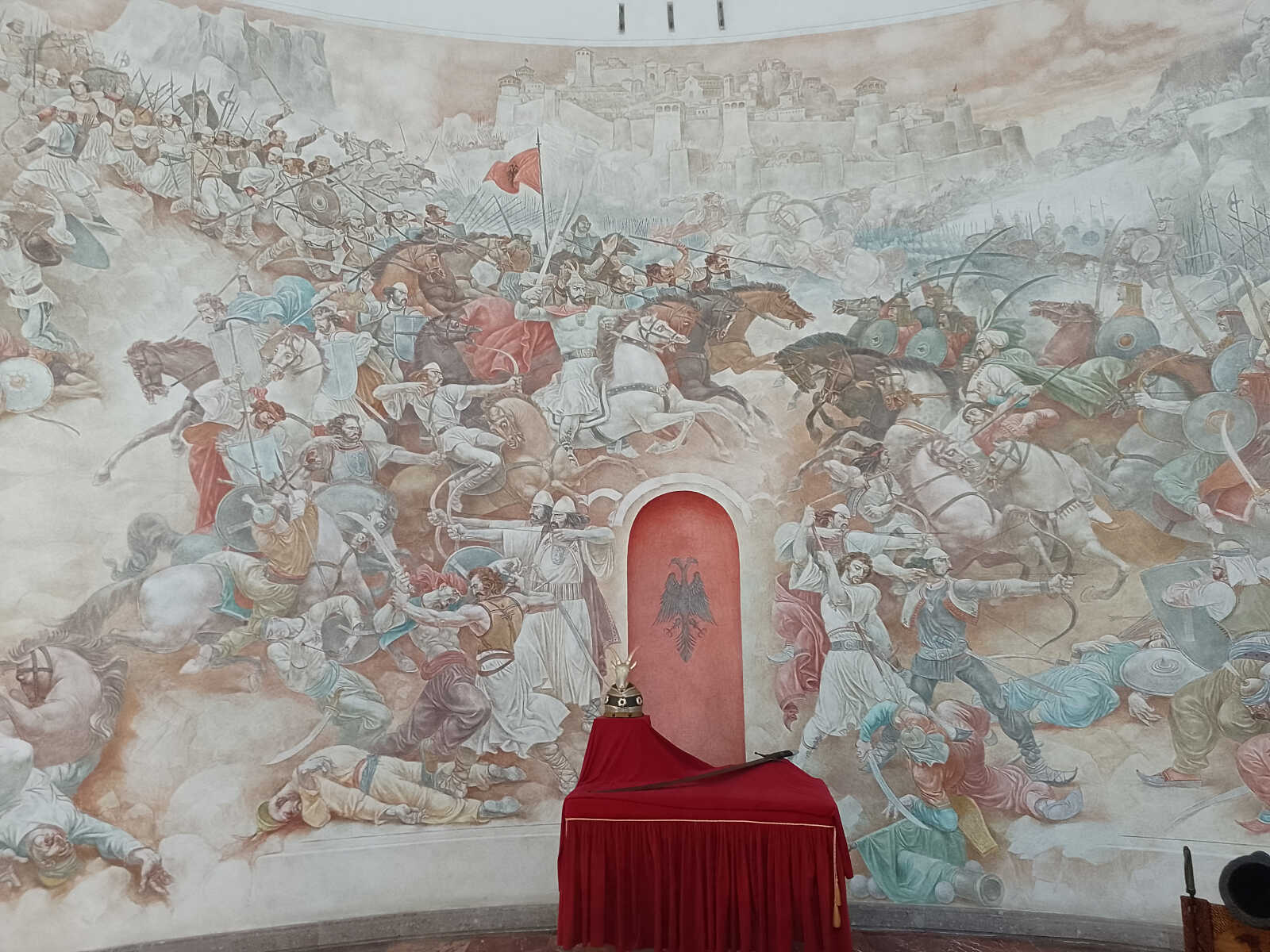
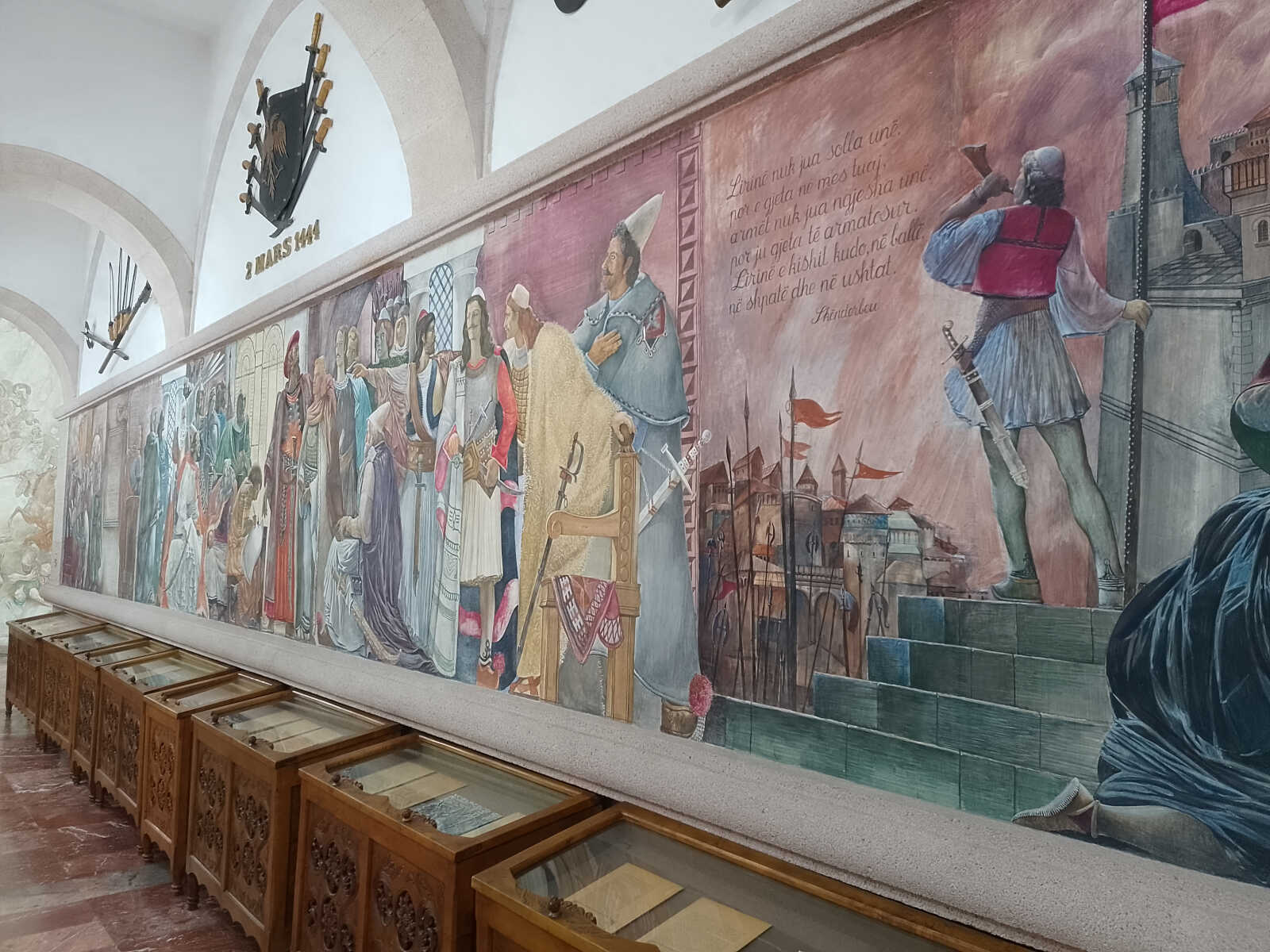
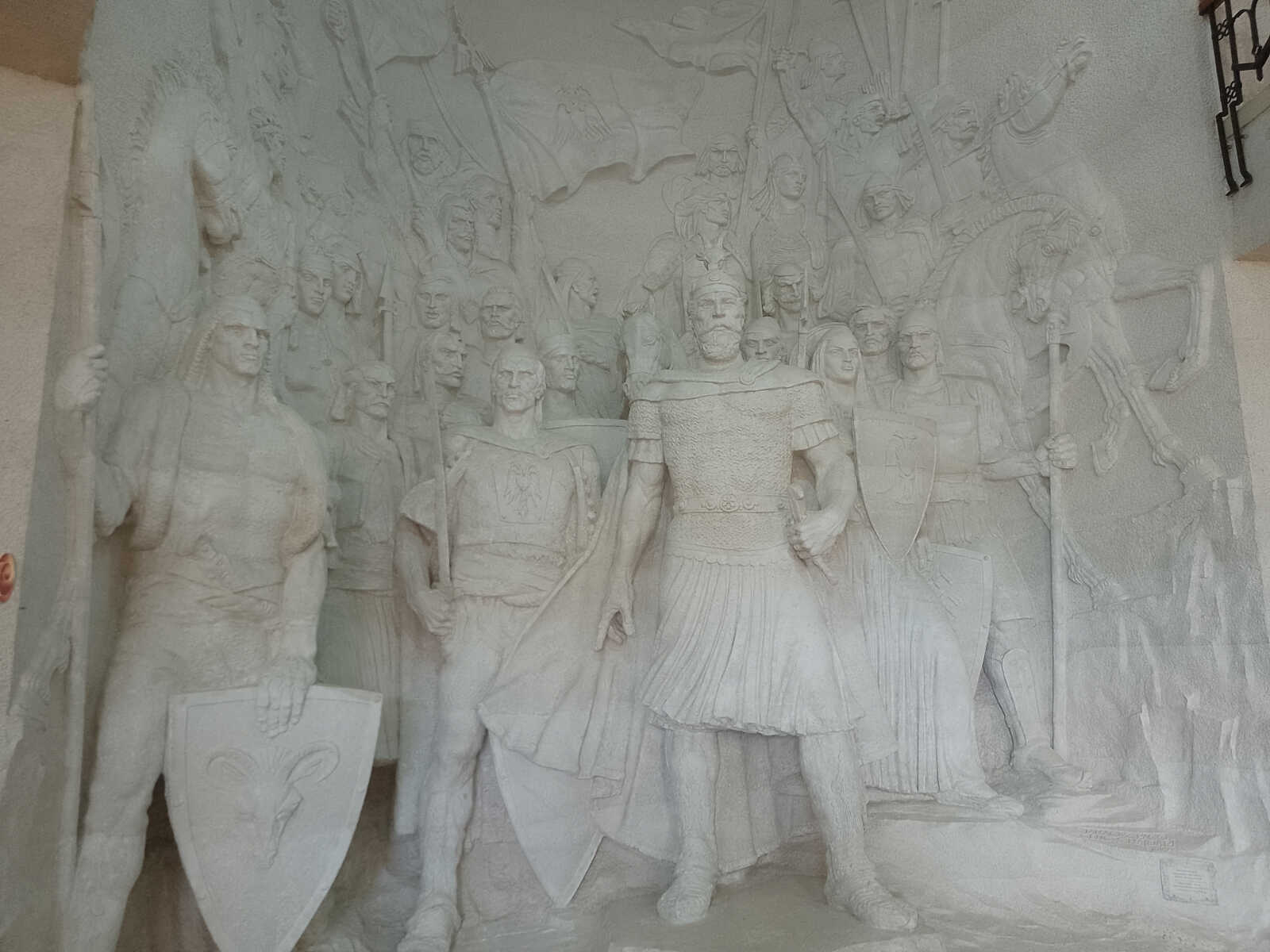
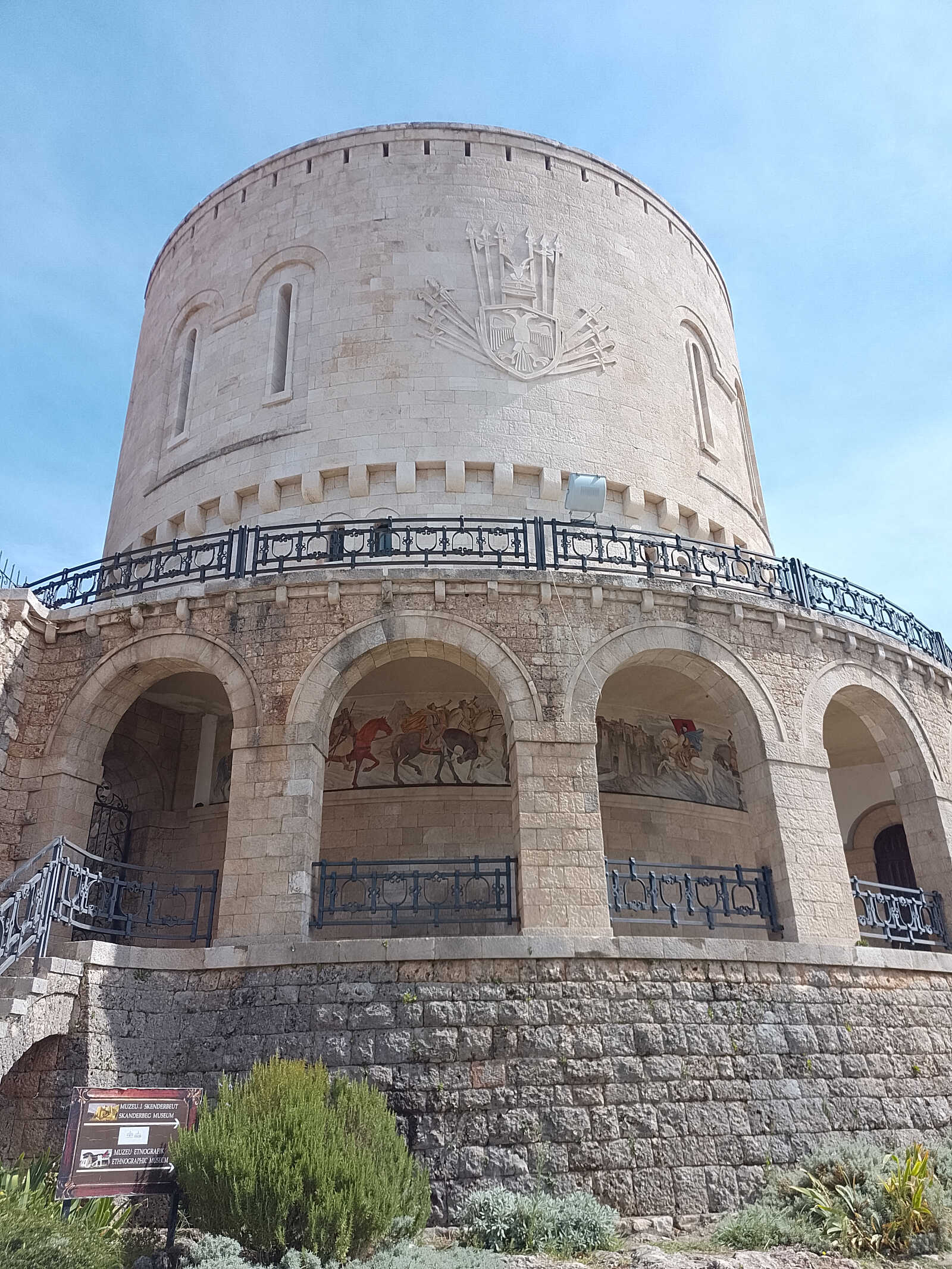
Le viuzze del Bazar sono dominate dal Castello sulla collina antistante che fu costruito nel IV e V secolo d.C. sui resti di un precedente insediamento illirico del III secolo a.C. e ampliato nei secoli successivi. Oggi ospita il Museo Nazionale dedicato a Giorgio Castriota Scanderbeg, eroe della resistenza contro i turchi ottomani, la cui visita dà una panoramica interessante degli eventi più importanti della storia dell'Albania e del suo popolo.
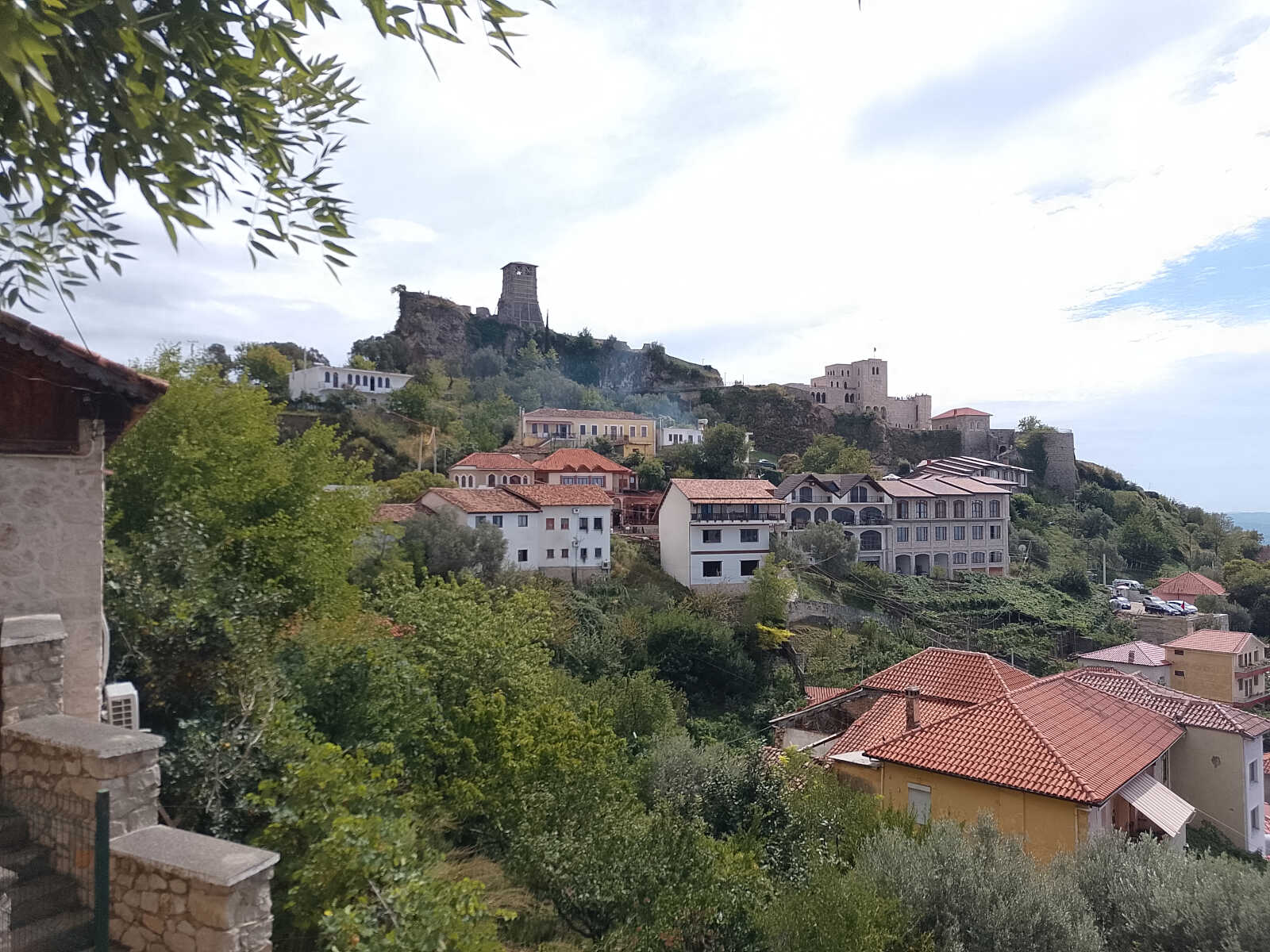
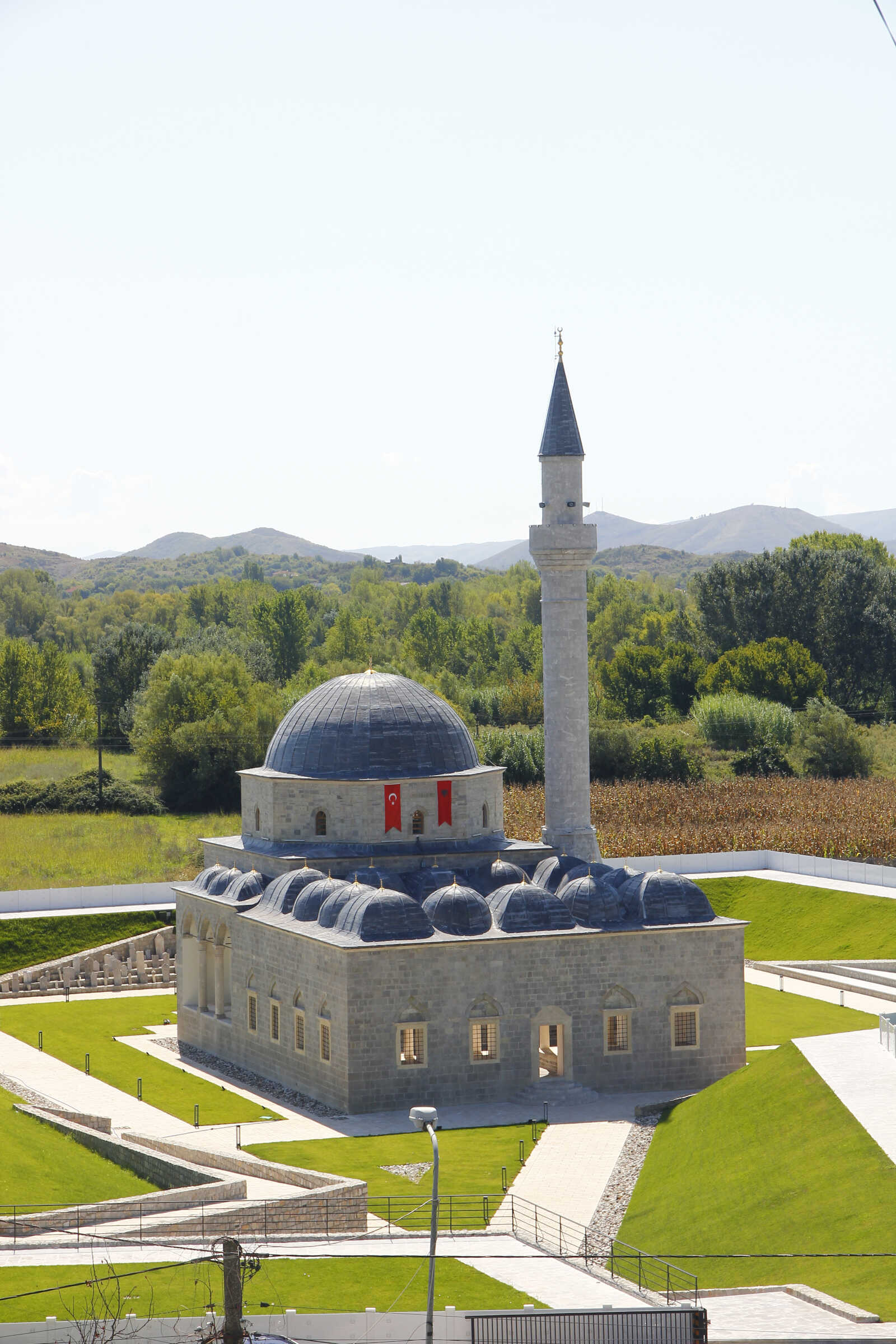
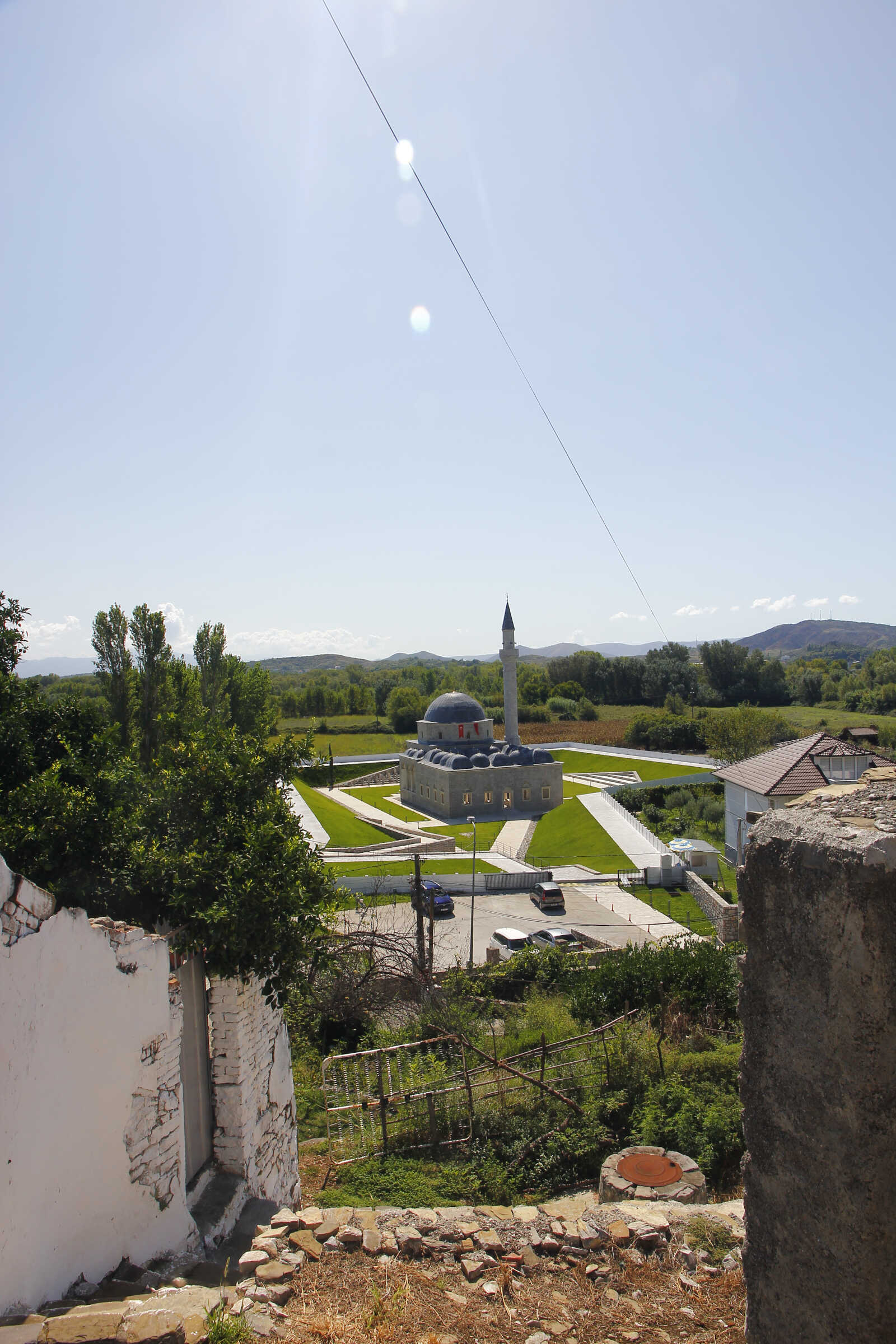
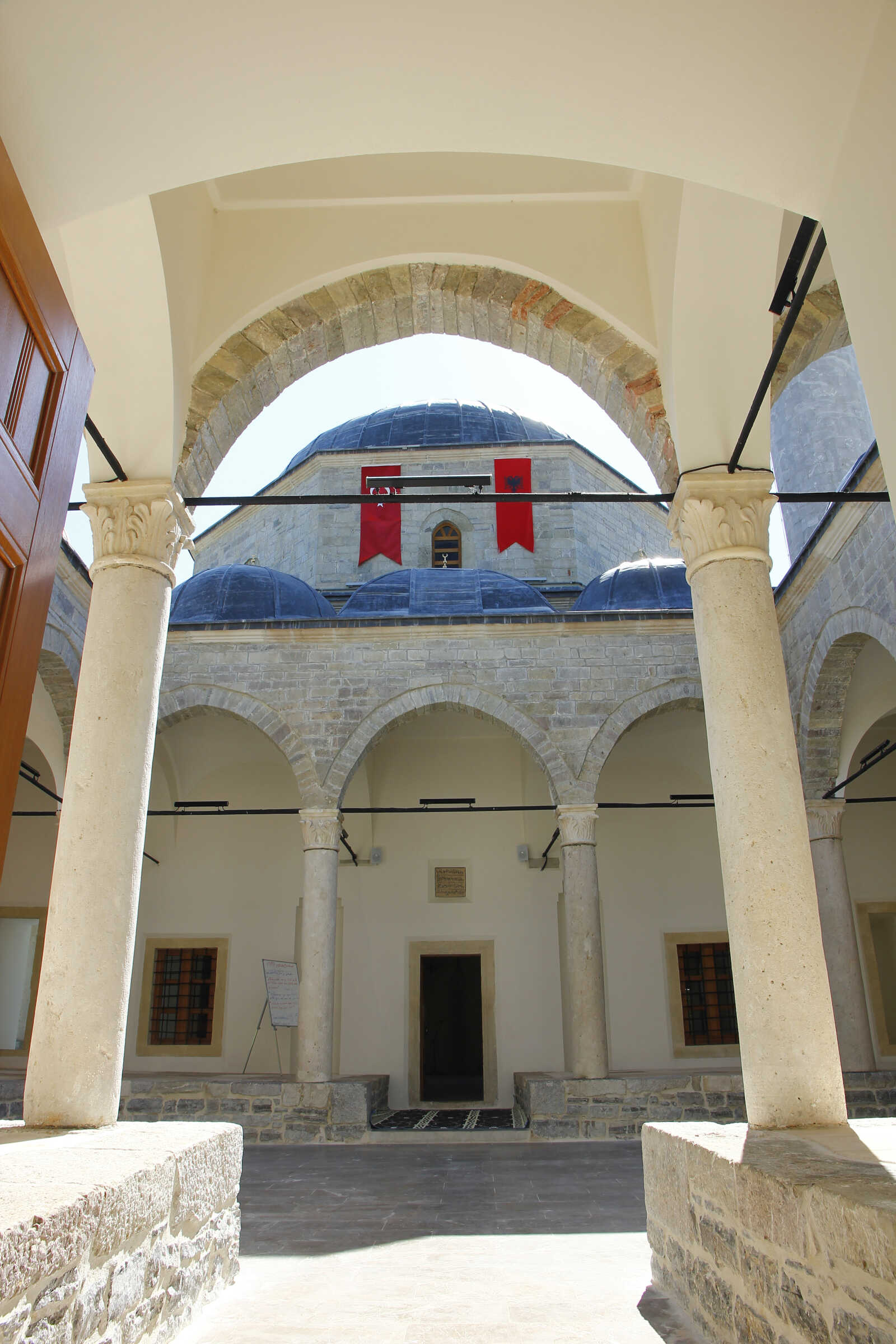
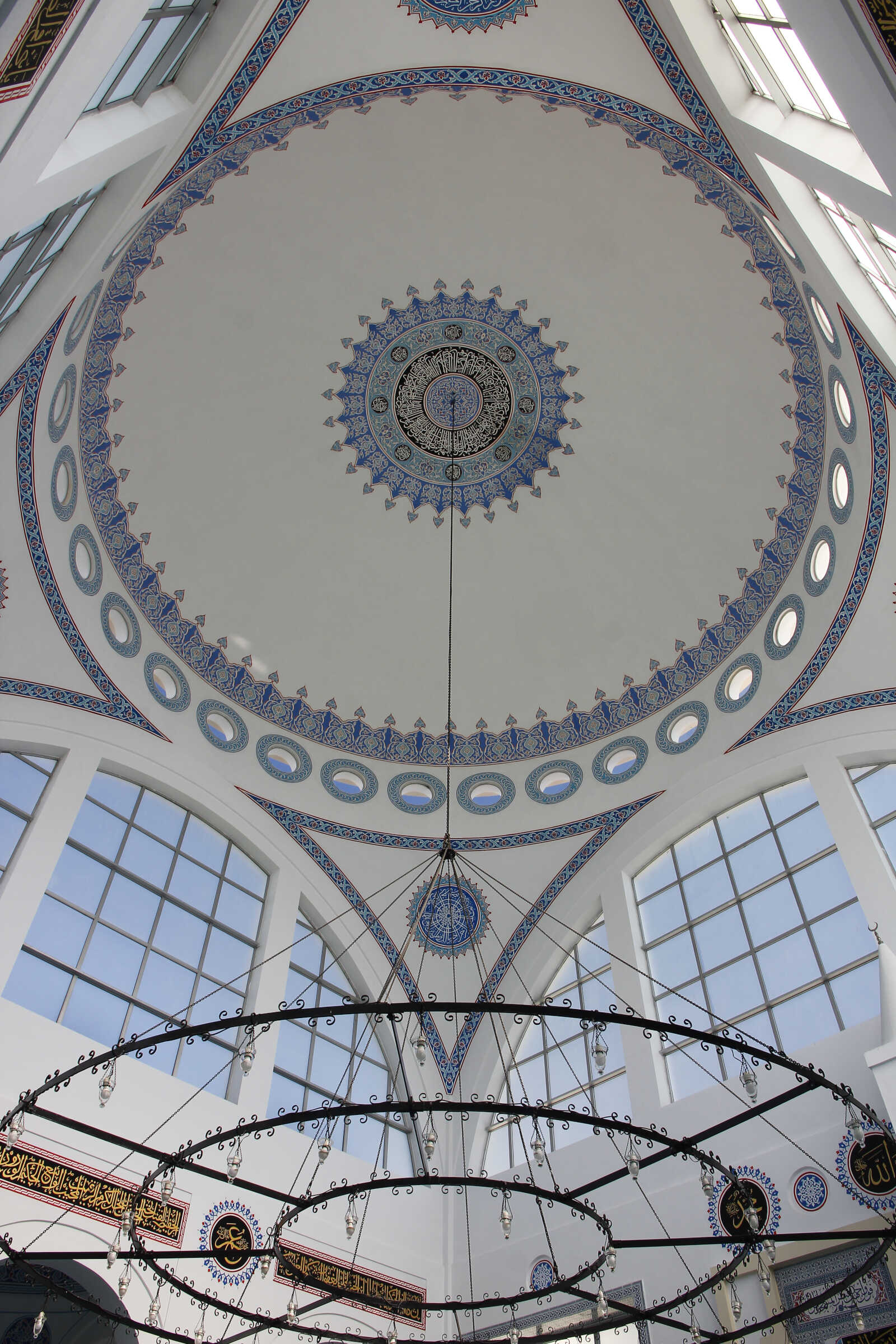
Il secondo giorno la guida (cioè Nives con la sua fidata Lonely planet) propone la Moschea di Piombo, chiamata così perché le sue cupole erano ricoperte di piombo. La moschea, l'unica scampata alle distruzioni sistematiche nella zona in seguito alla Rivoluzione del 1966 e la più grande di tutta l'Albania fino a metà del XX secolo, è stata completamente ristrutturata nel 2024, perdendo forse un po' di fascino. Non è solo un luogo di culto, ma anche un punto di riferimento nella storia moderna dell'Albania, essendo stata la prima a riaprire alla fine dell'era comunista, diventando così un simbolo dell'inizio del ritorno della libertà religiosa dopo decenni di chiusure e divieti.
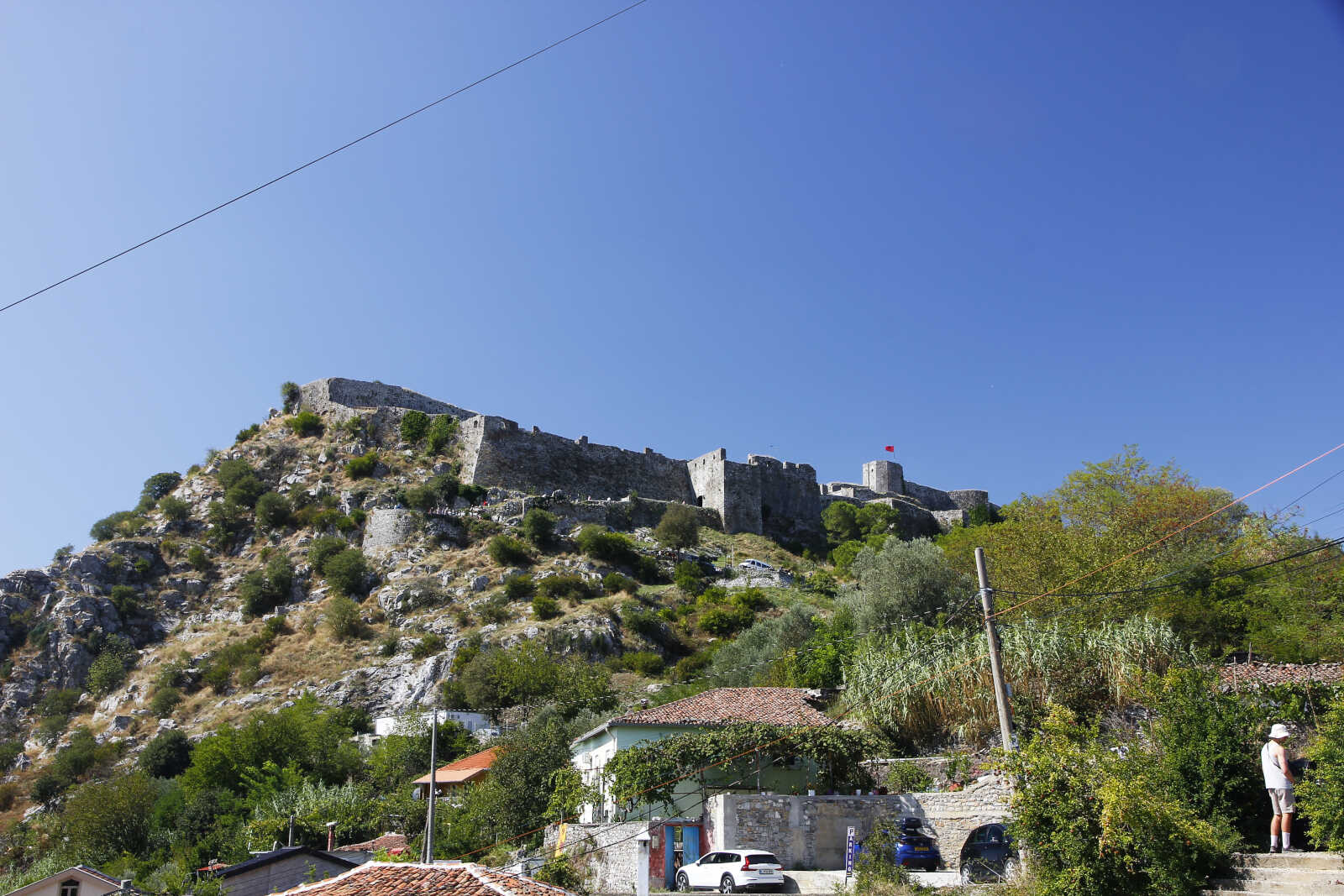
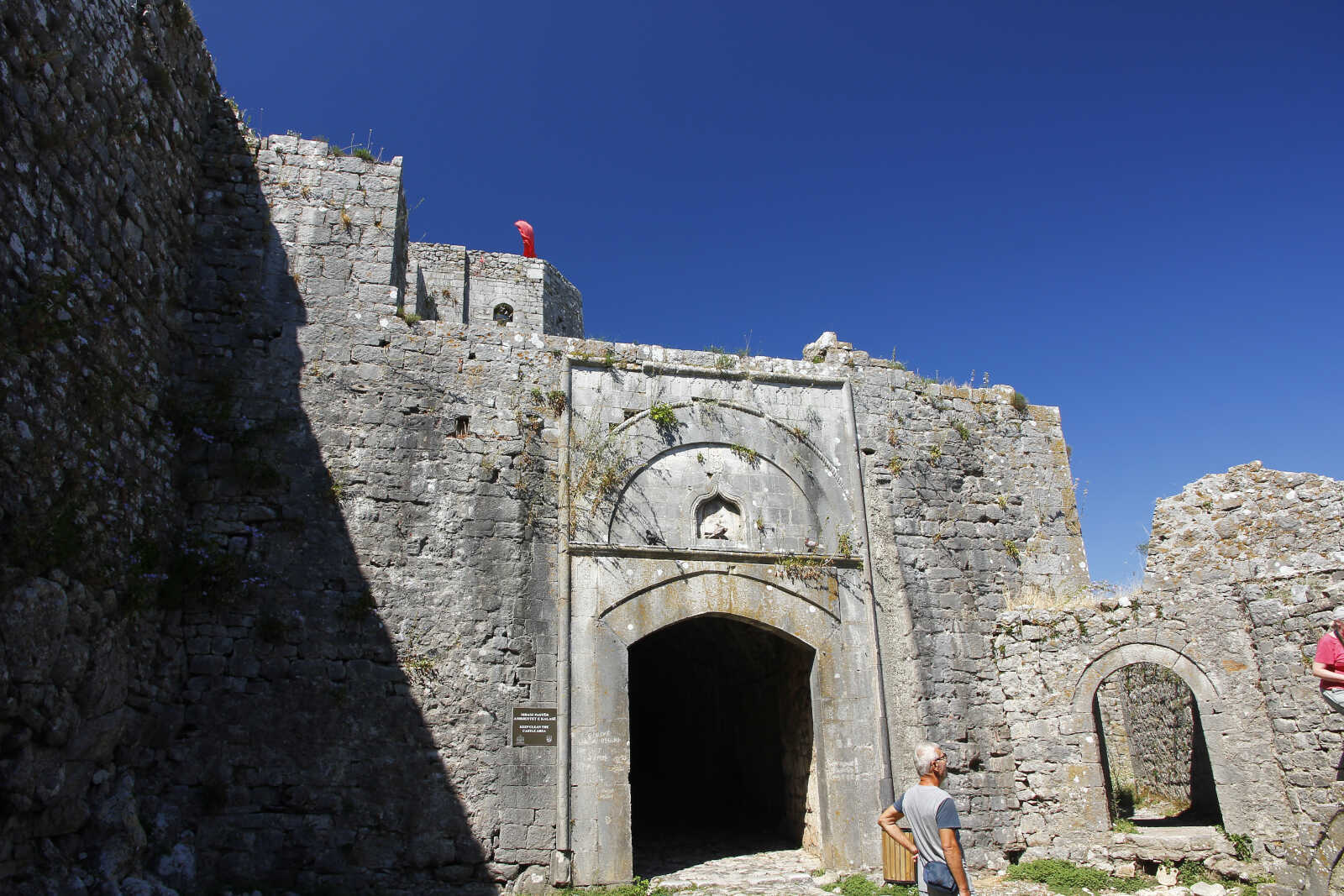
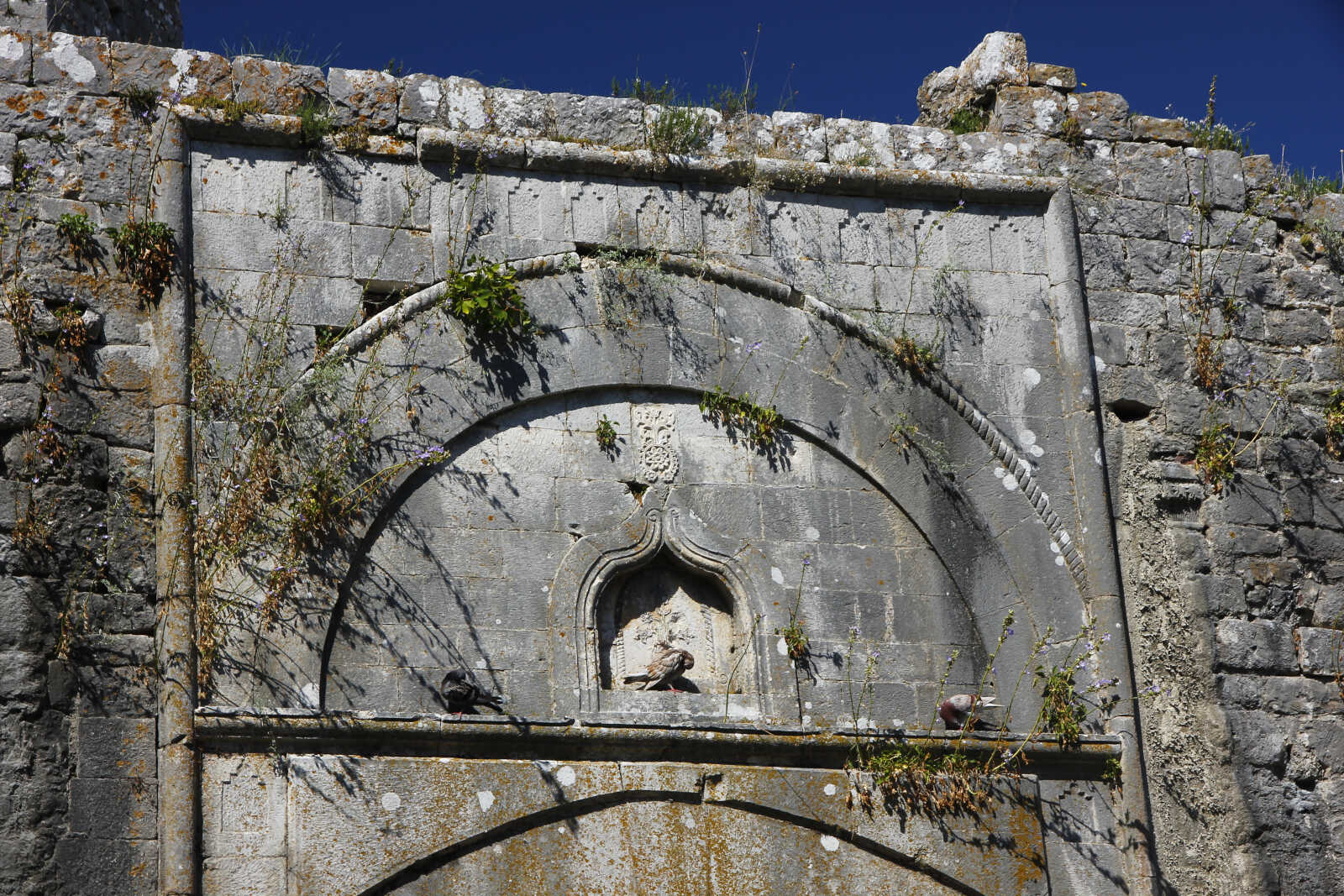
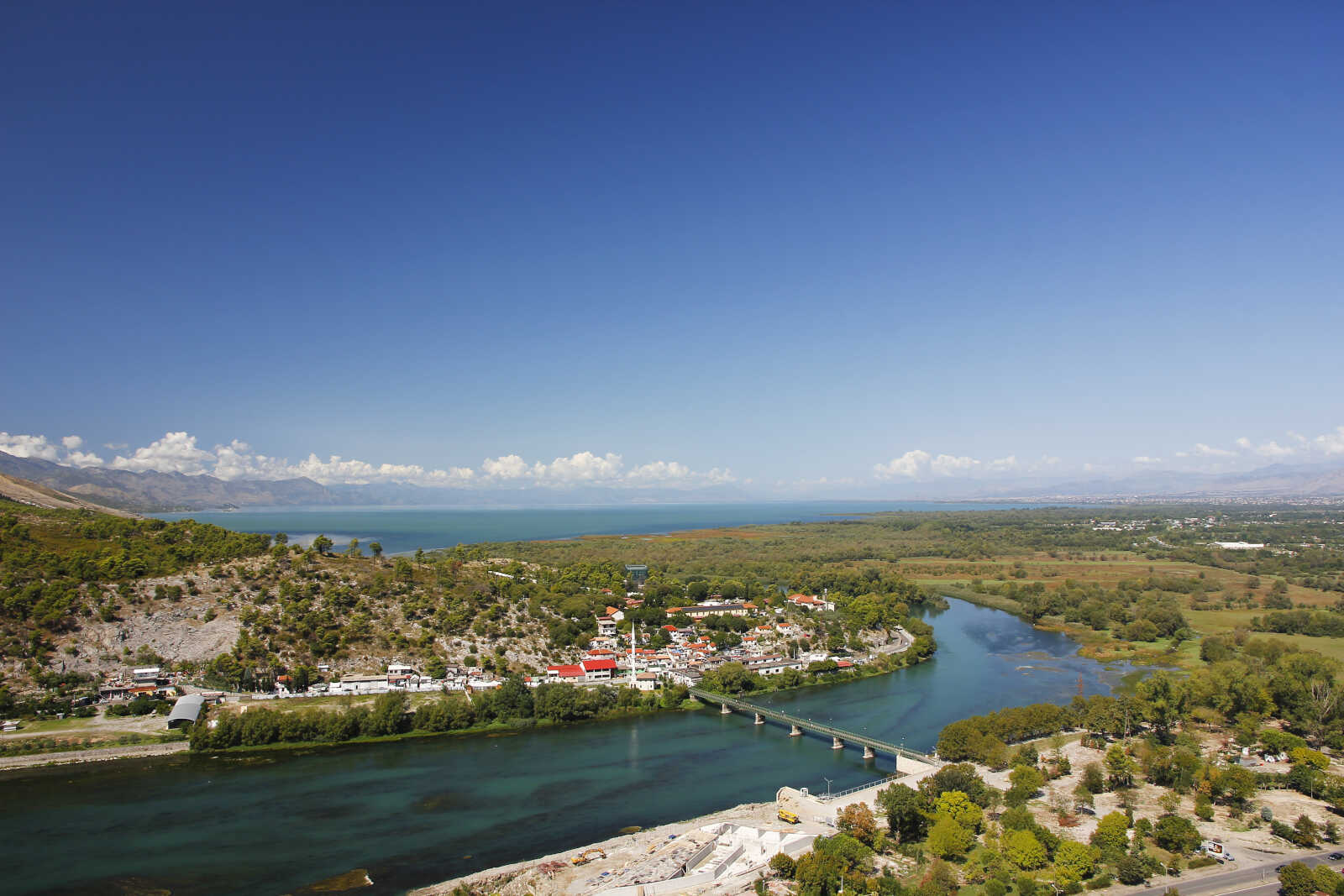
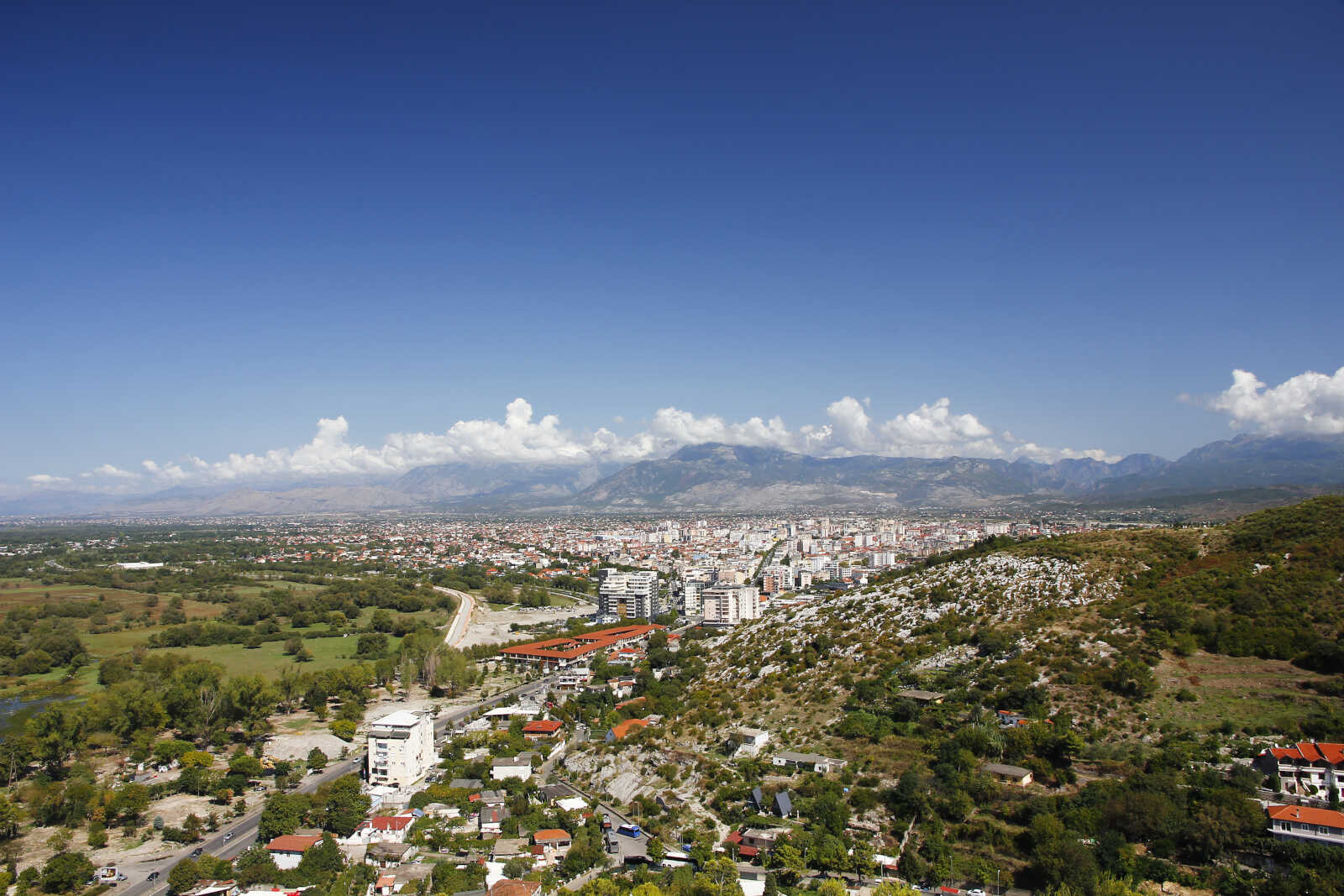
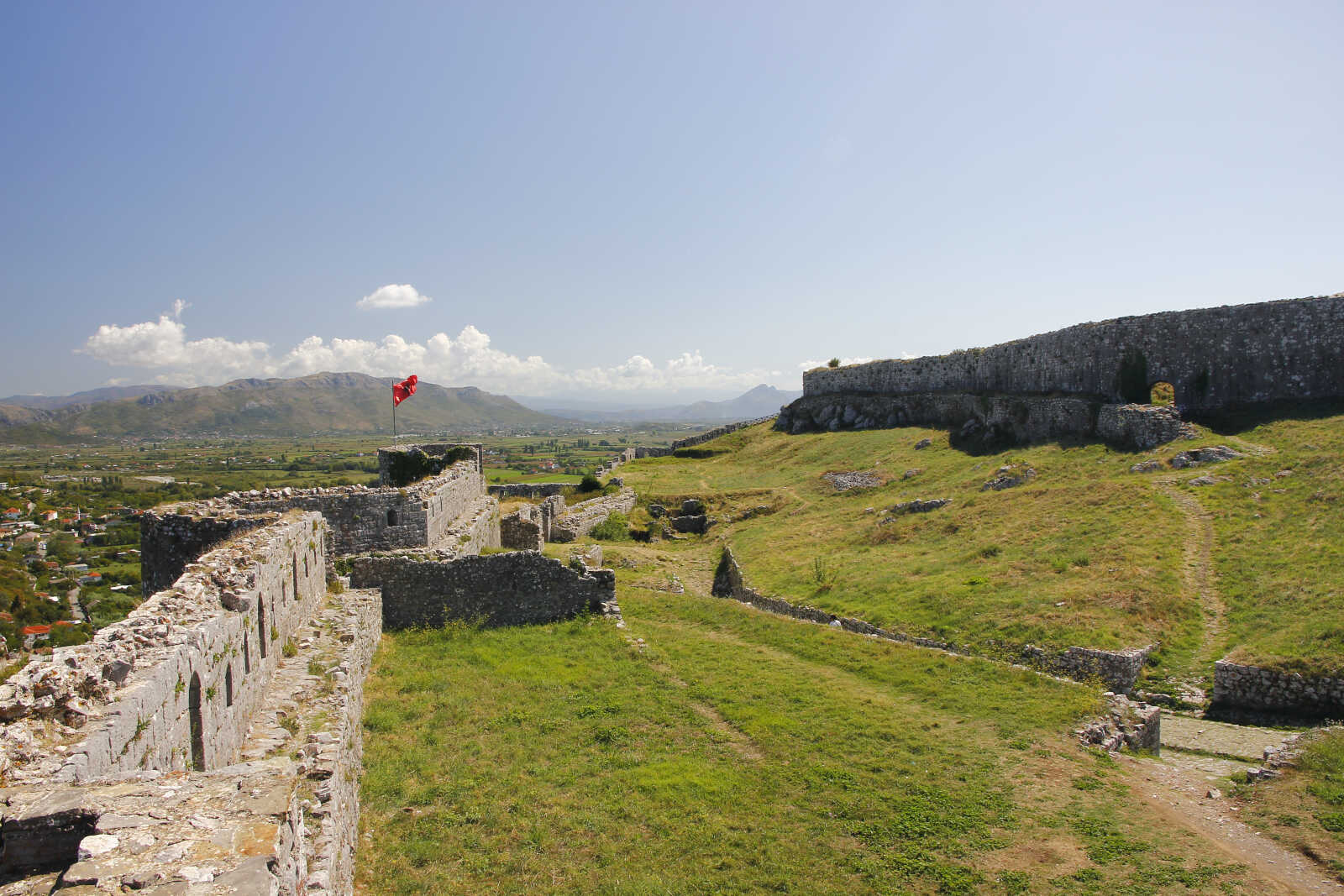
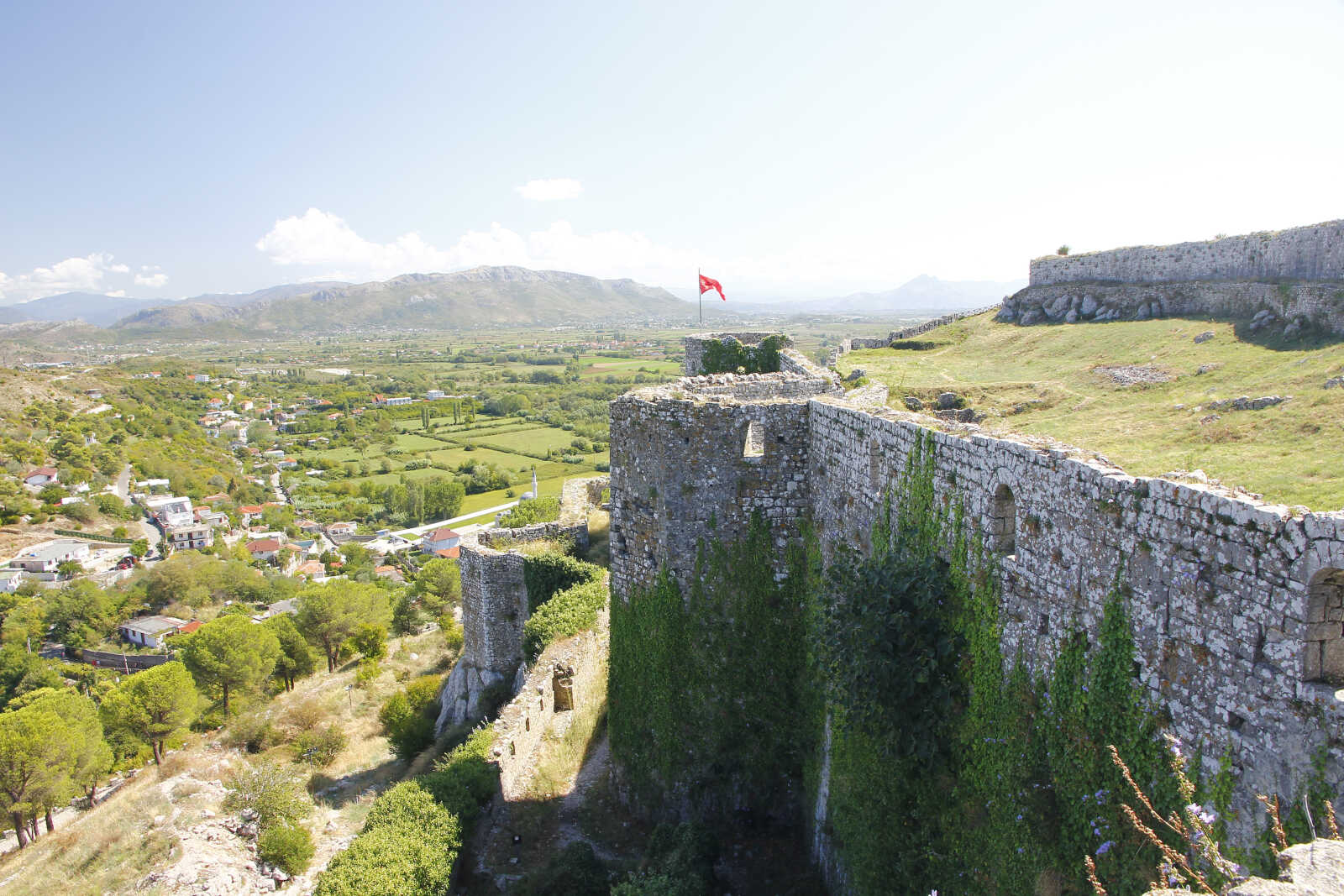
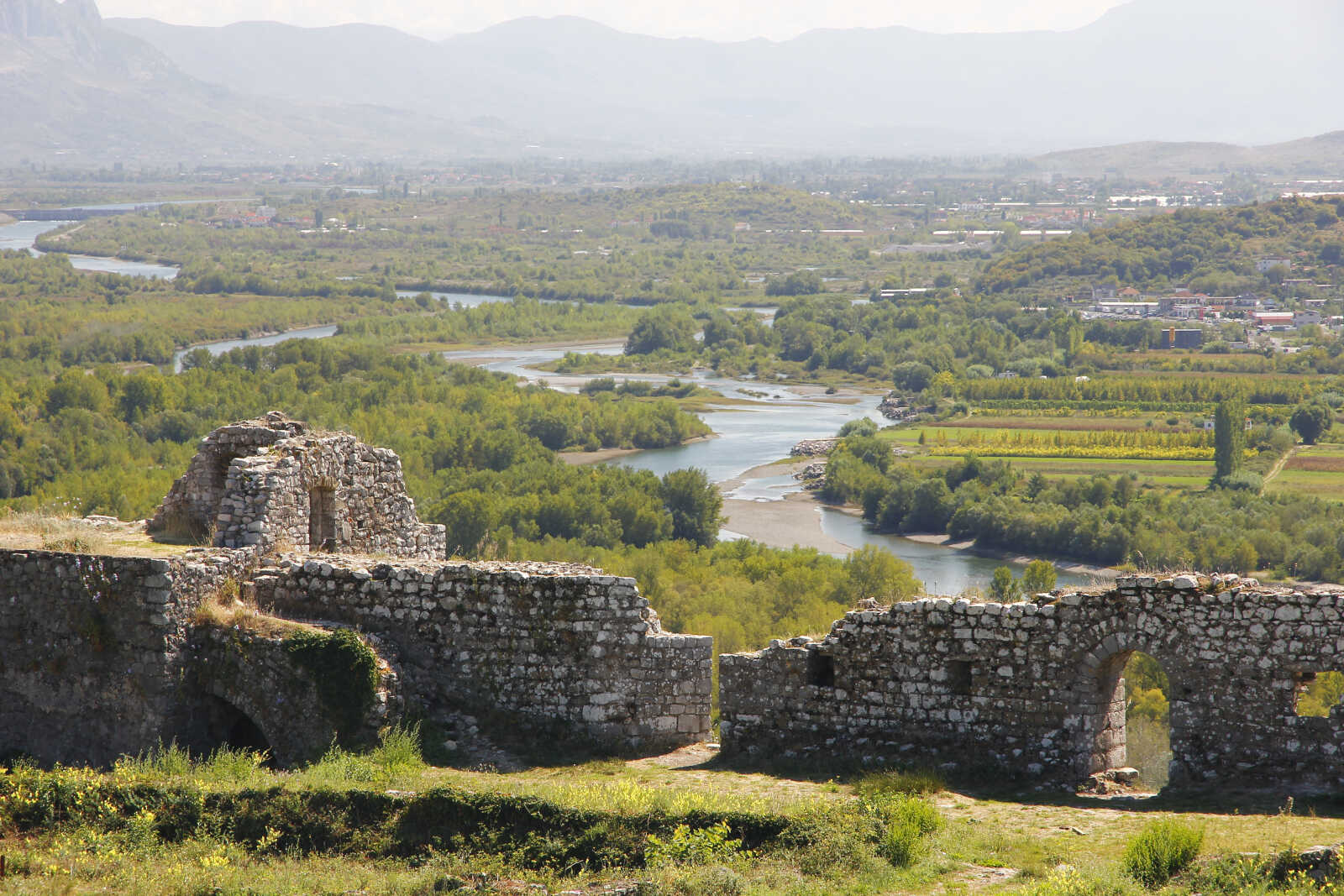
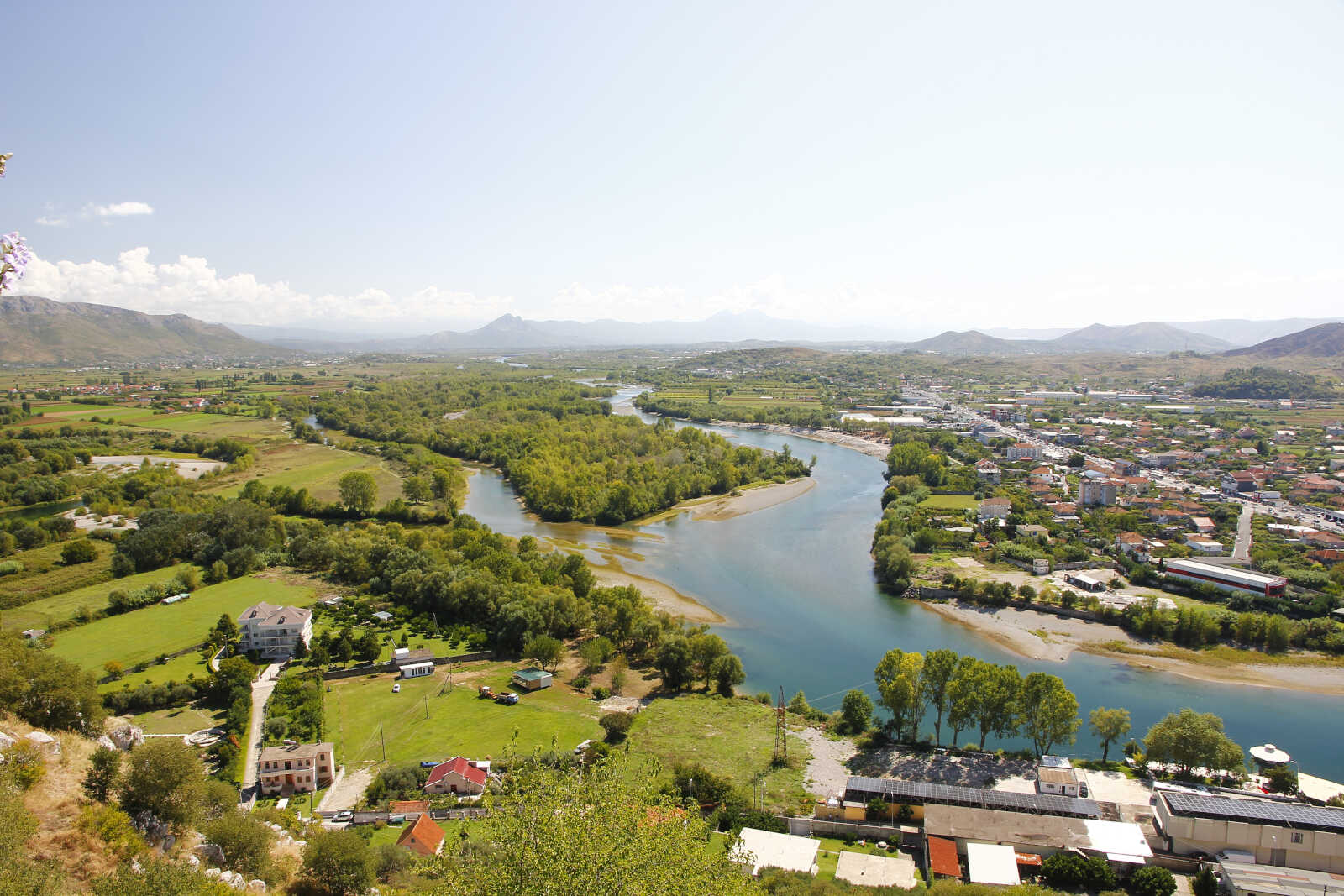
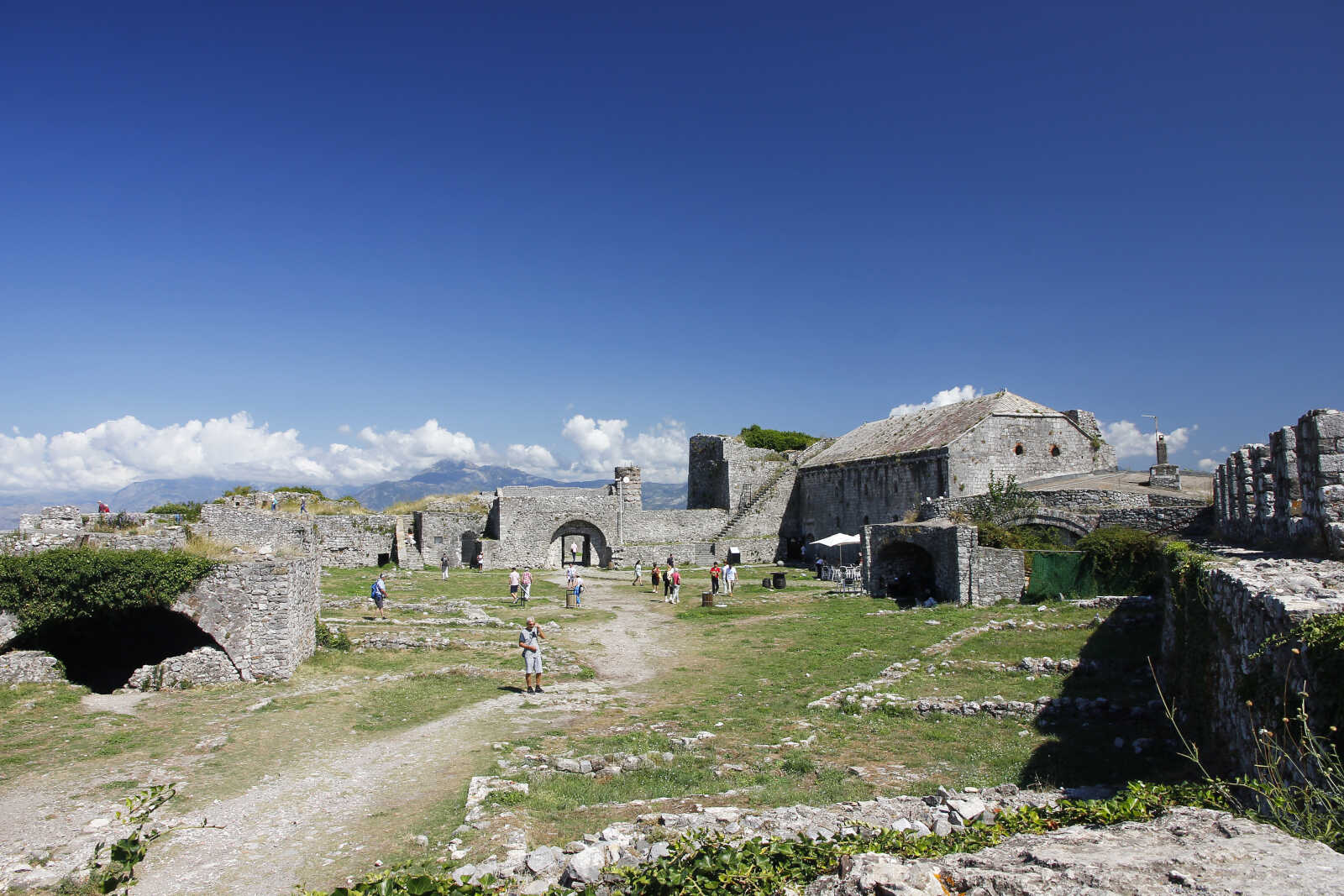
Poco lontano dalla moschea si trova la fortezza di Rozafa, risalente al II secolo, da cui si gode una vista meravigliosa della pianura dei fiumi Boiana, Kir e Drin e delle montagne circostanti, bagnate dal Lago di Scutari, il più grande della Penisola Balcanica e confine naturale tra Albania e Montenegro.
Visto che in questi giorni abbiamo il lusso di disporre di una macchina (con tanto di autista visto che essendo a noleggio la può guidare solo Luciano a cui è intestato il contratto) proseguiamo per la nostra prossima meta: la città di Scutari.
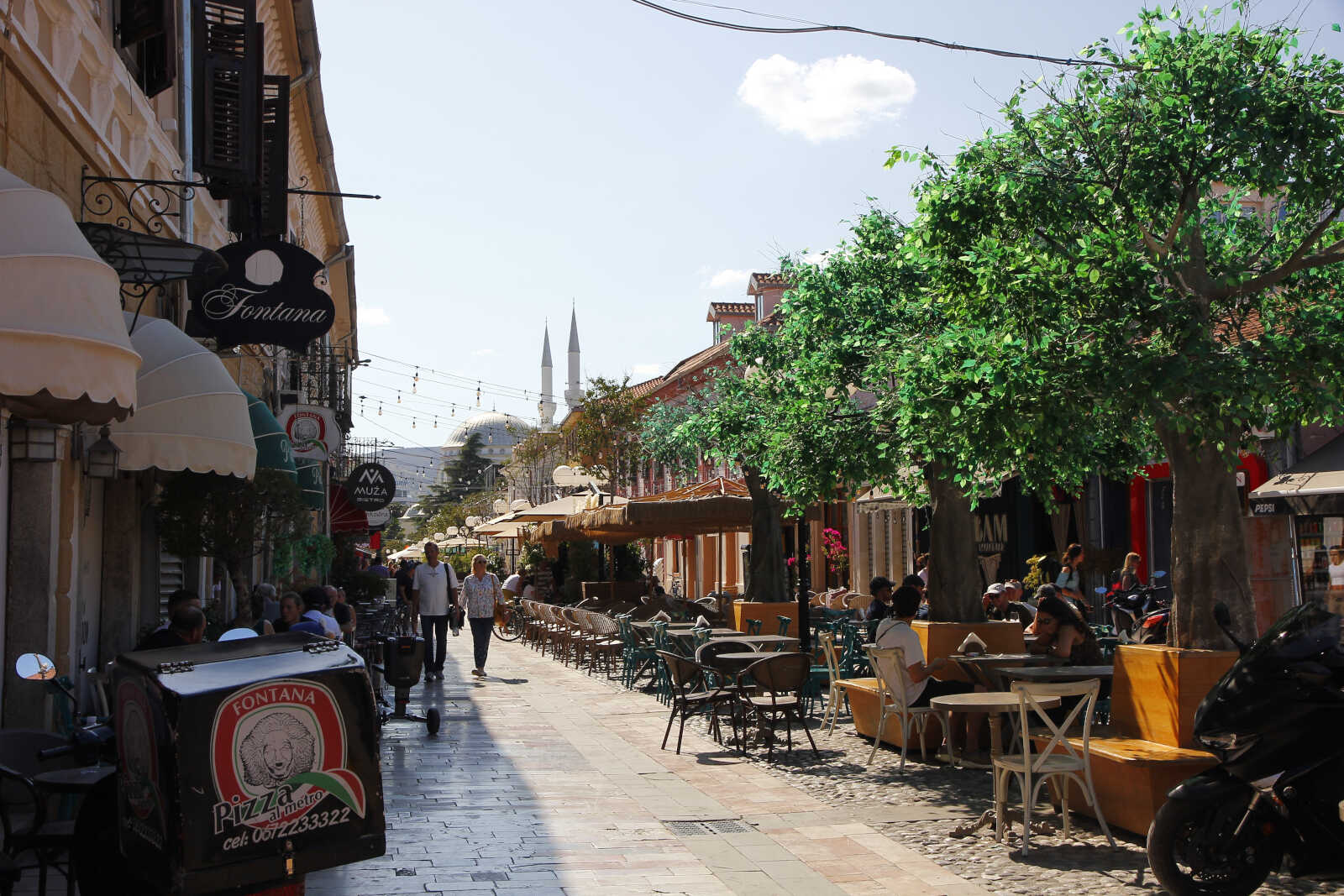
Appena arrivati mangiamo in un ristorantino un piatto di assaggi della cucina tipica del nord montano, a base di verdura, formaggio e carne e poi percorriamo le strade lastricate della vivace cittadina.
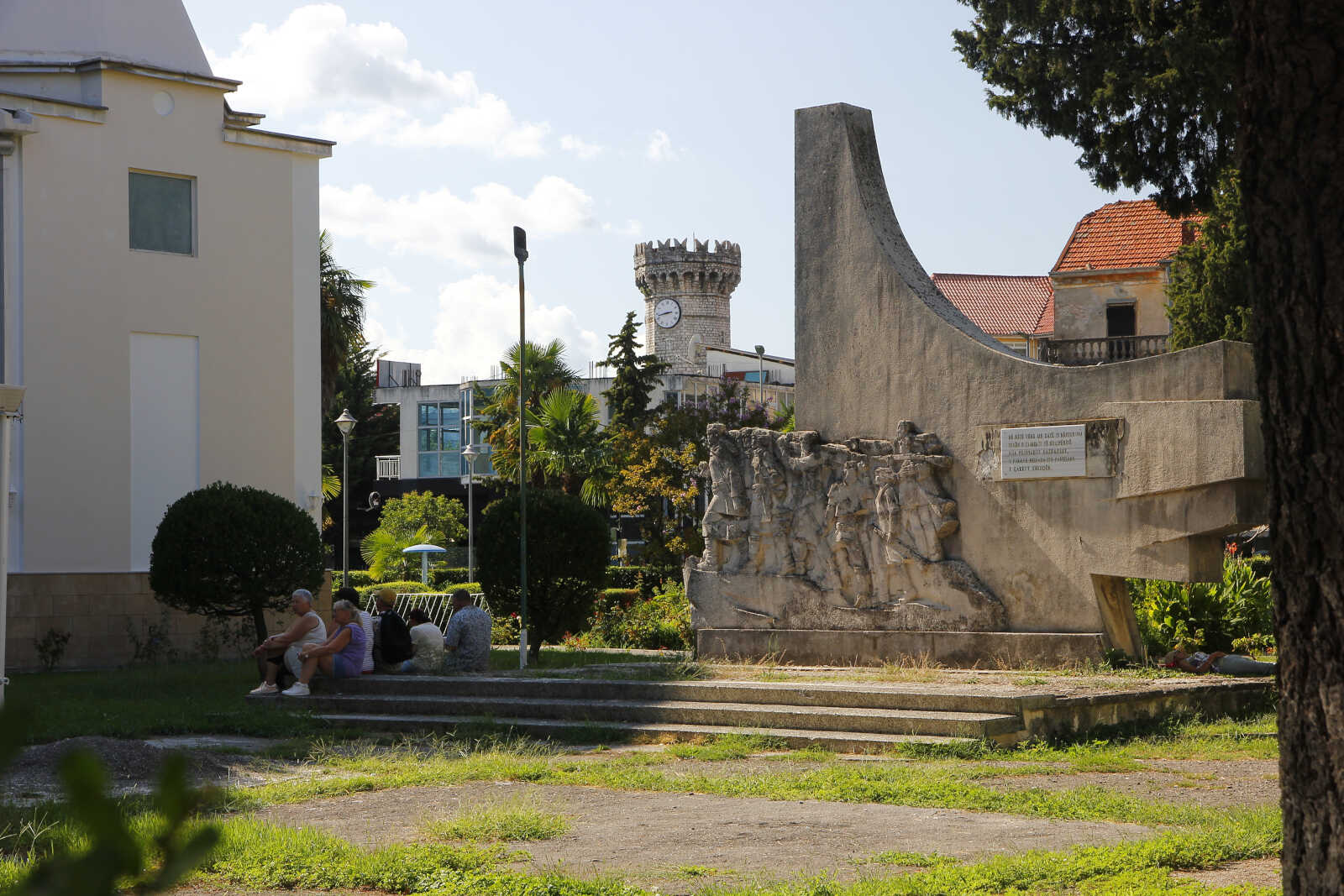
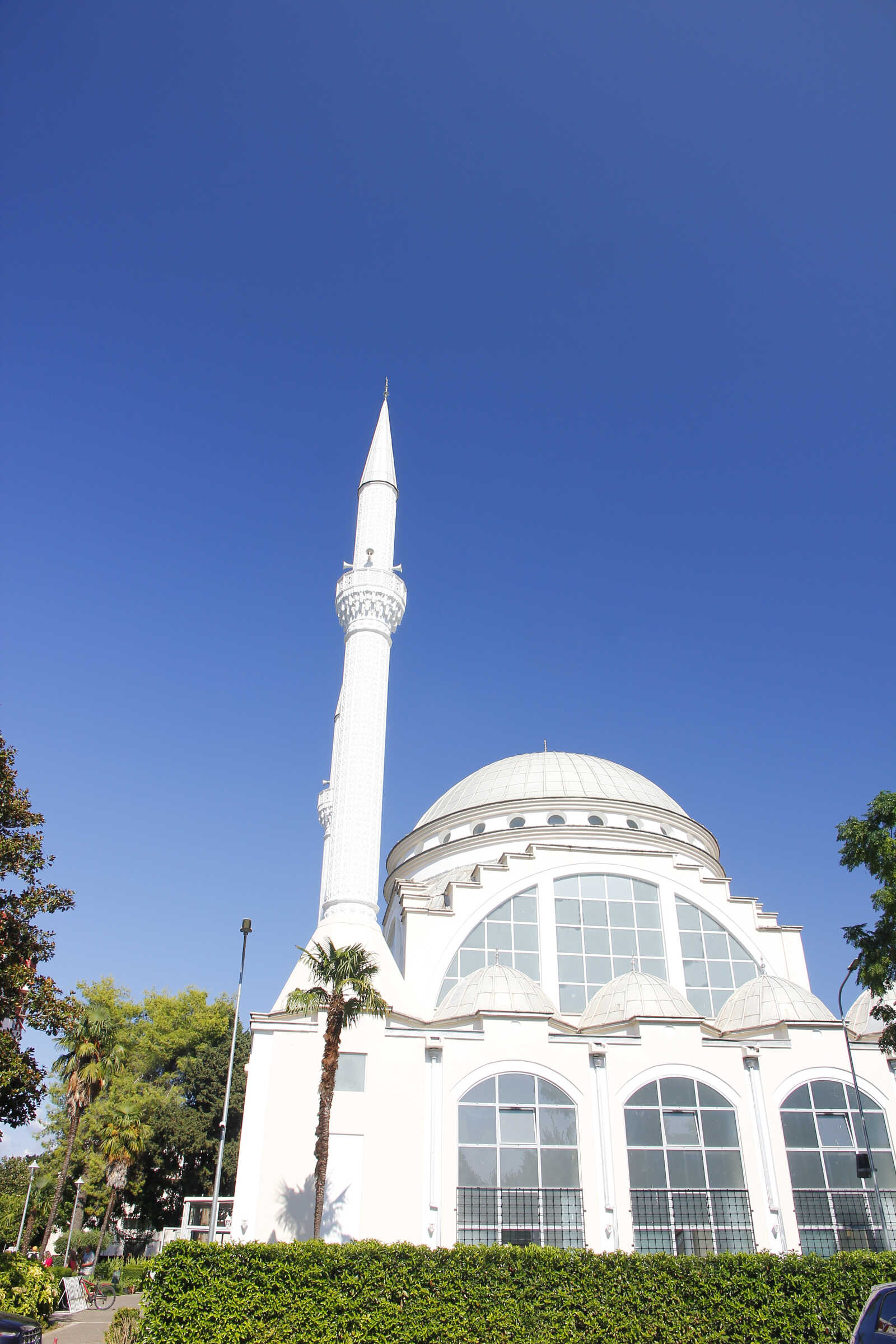
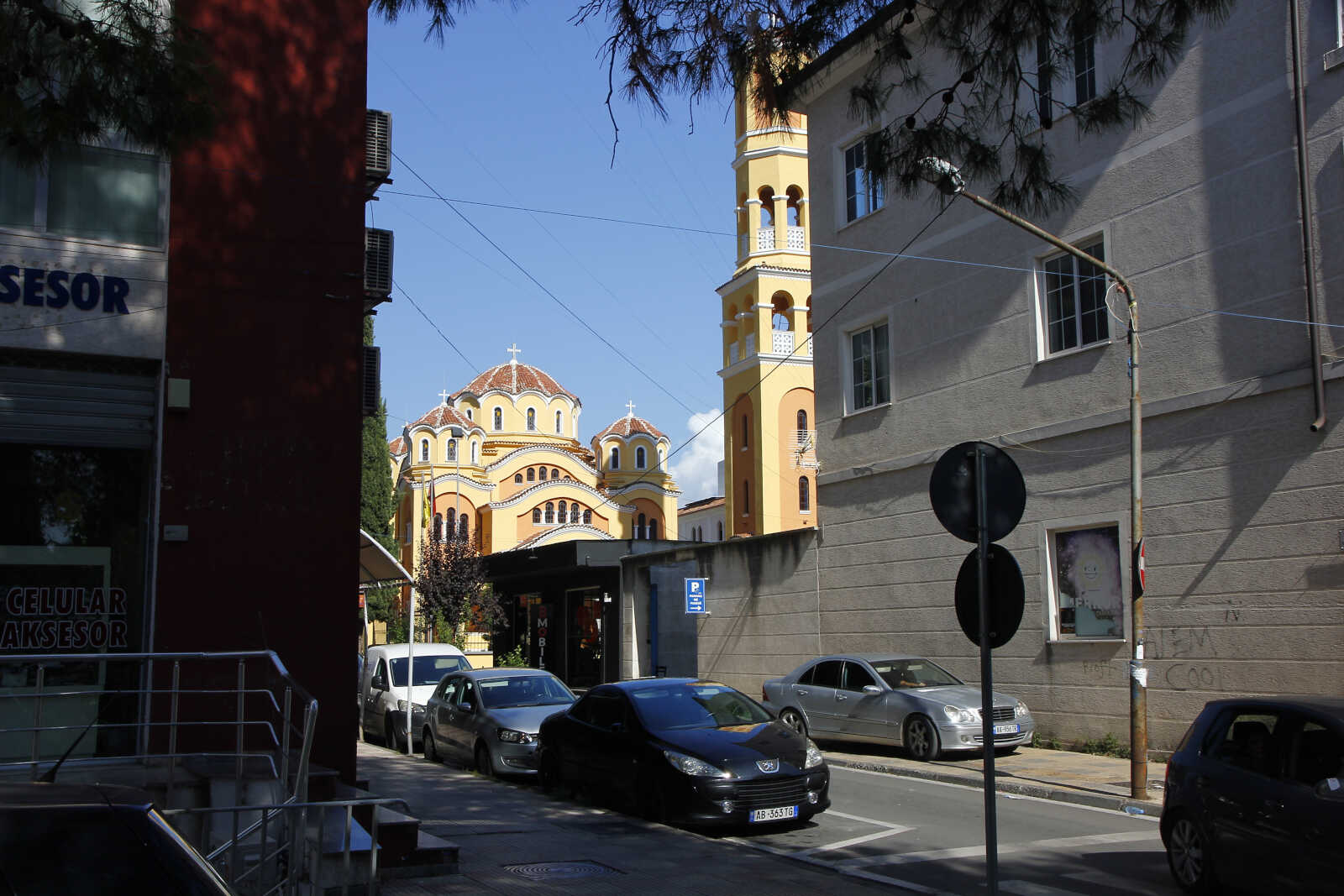
La grande moschea in centro dispone di una delle poche fontane di acqua potabile del Paese (in Albania nemmeno la gente del posto beve l'acqua degli acquedotti per le alte dosi di cloro). Girato l'angolo vediamo una grande chiesa ortodossa e poco distante la Cattedrale di Santo Stefano, cattolica.
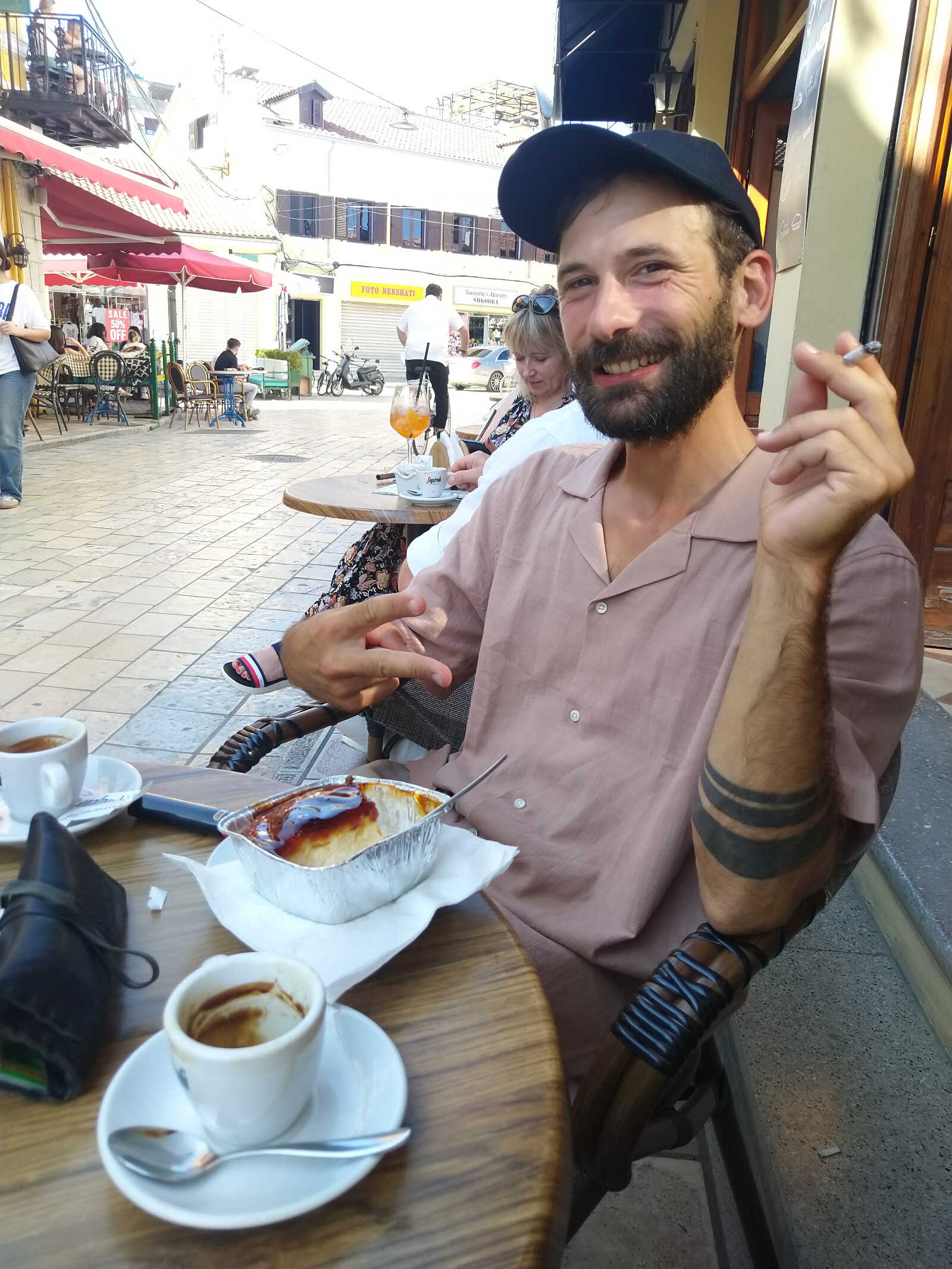
Per concludere l'esperienza culinaria della giornata ci fermiamo a mangiare un Trilece (letteralmente “tre latti”) a base di latte, latte condensato e panna e coperto di caramello, che alla vista sembra panna cotta, ma ha la consistenza di un morbidissimo pan di spagna imbevuto. È servito fresco e si accompagna perfettamente con il caffè, di cui gli albanesi sono gran consumatori.
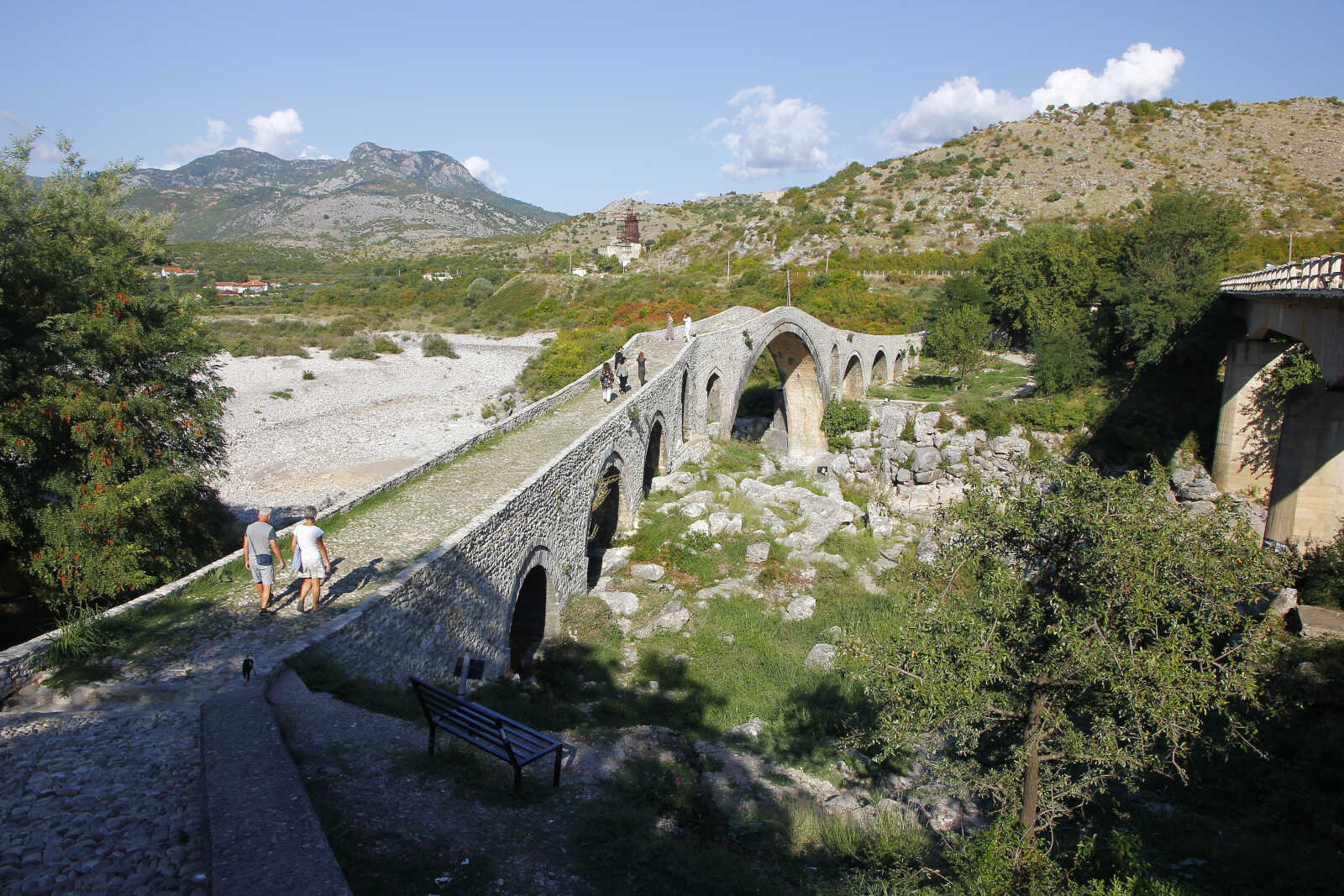
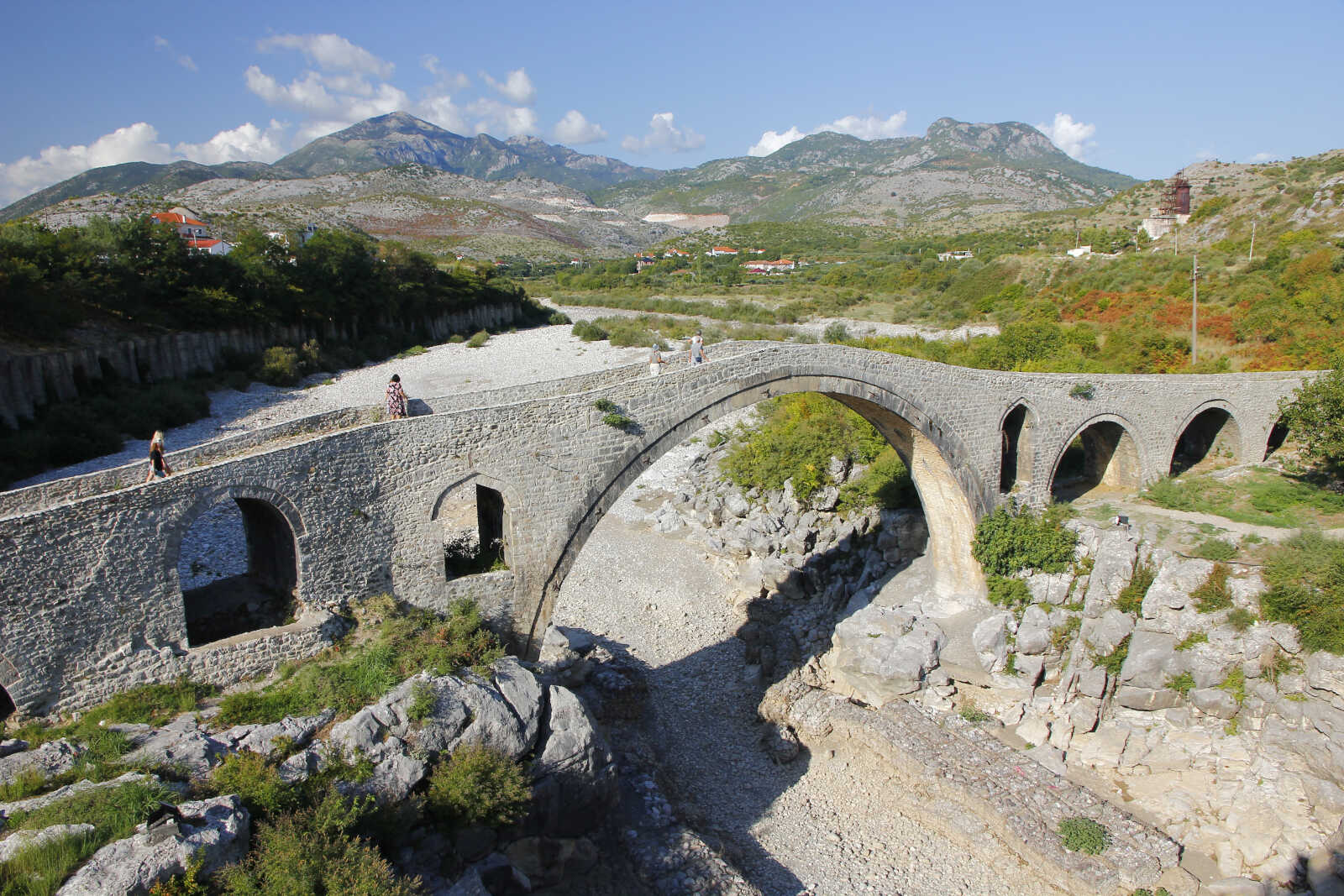
Prima di tornare facciamo tappa al Ponte di Mes, un ponte sul fiume Kir costruito in pietra intorno al 1770 dal pasha locale e percorribile a piedi ancora oggi grazie ad un recente restauro.
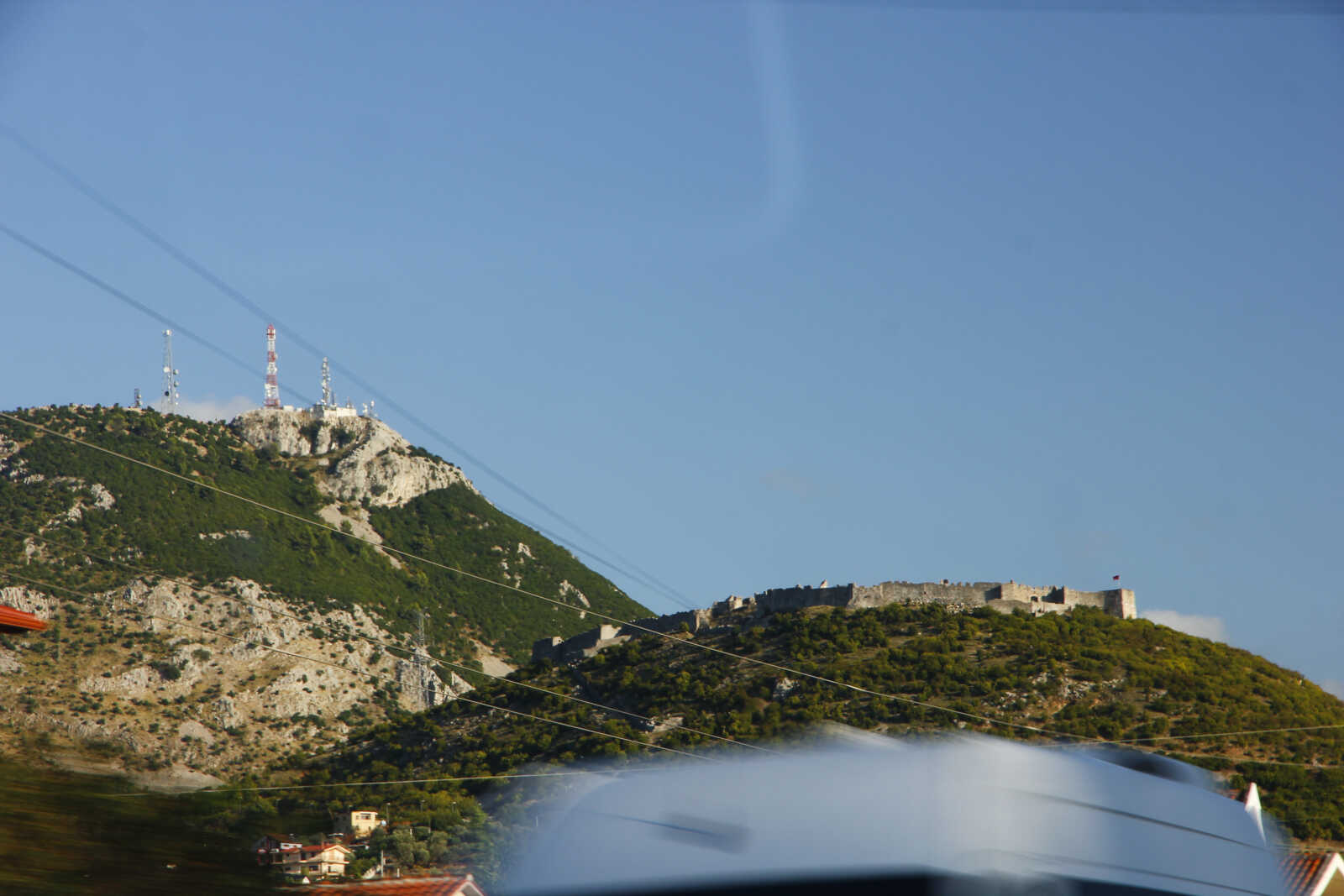
Sulla strada del ritorno vediamo da lontano anche il castello di Alessio, fondato in epoca antica dagli Illiri e ampliato da romani, bizantini, ottomani e veneziani che si sono susseguiti nei secoli su queste terre.
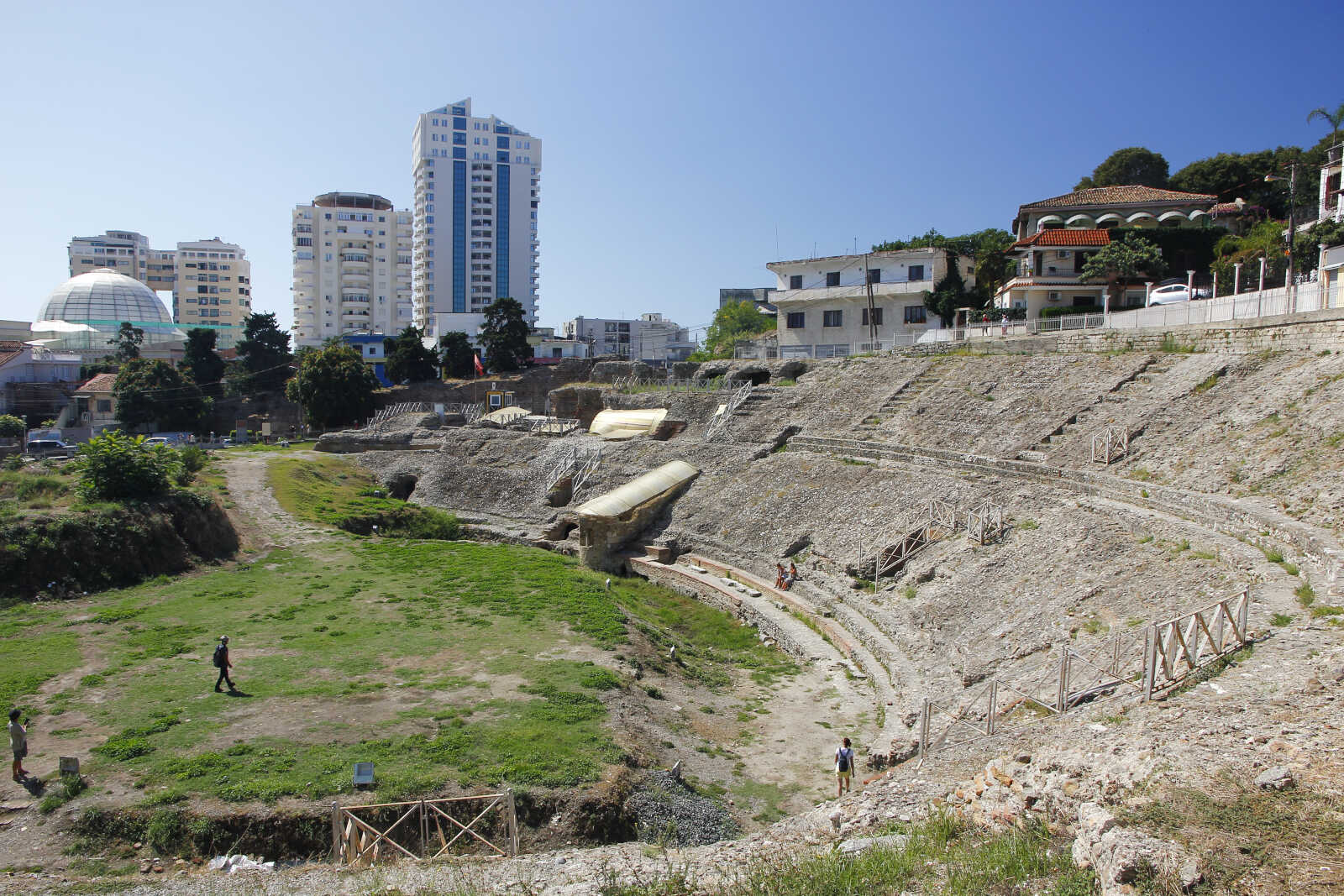
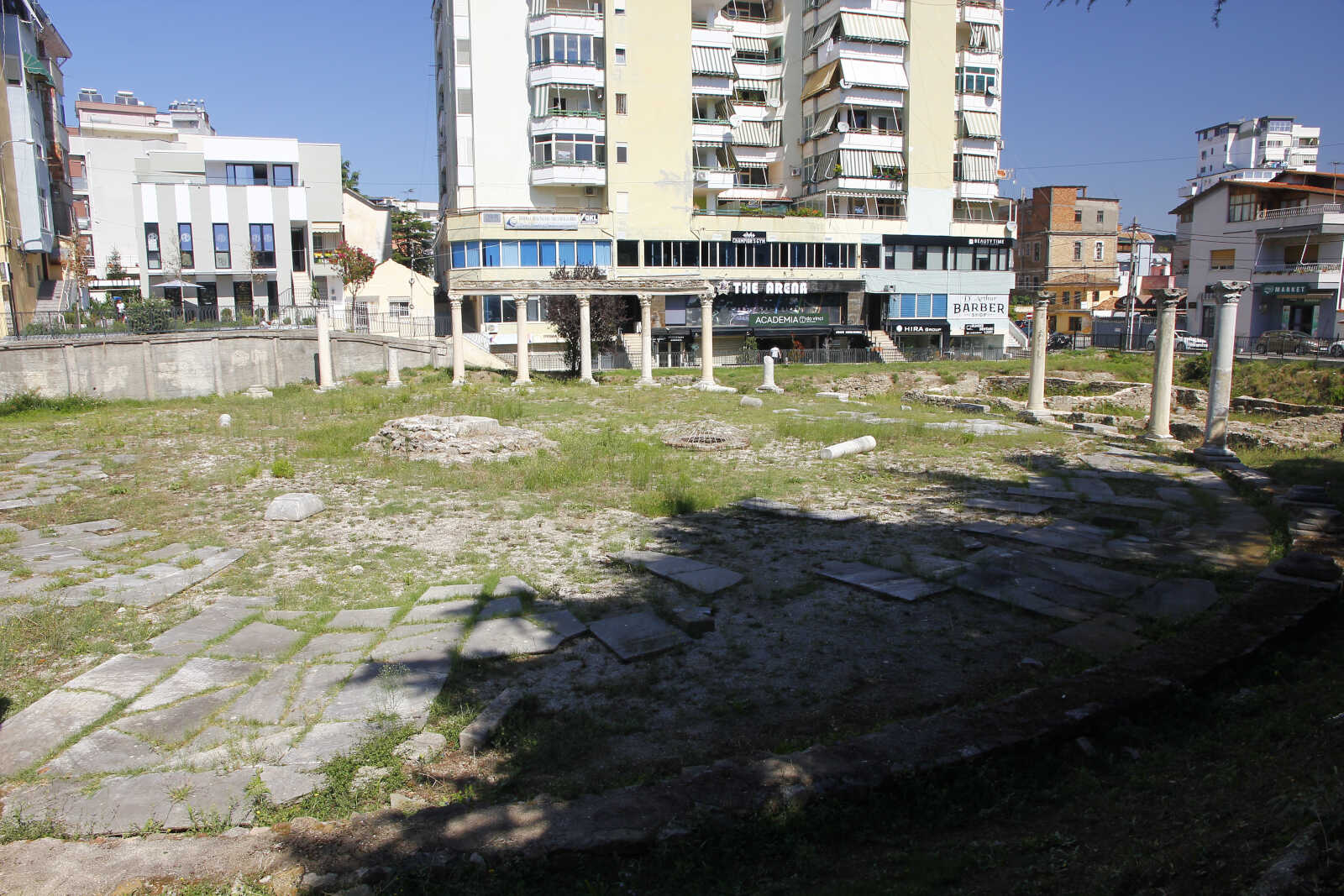
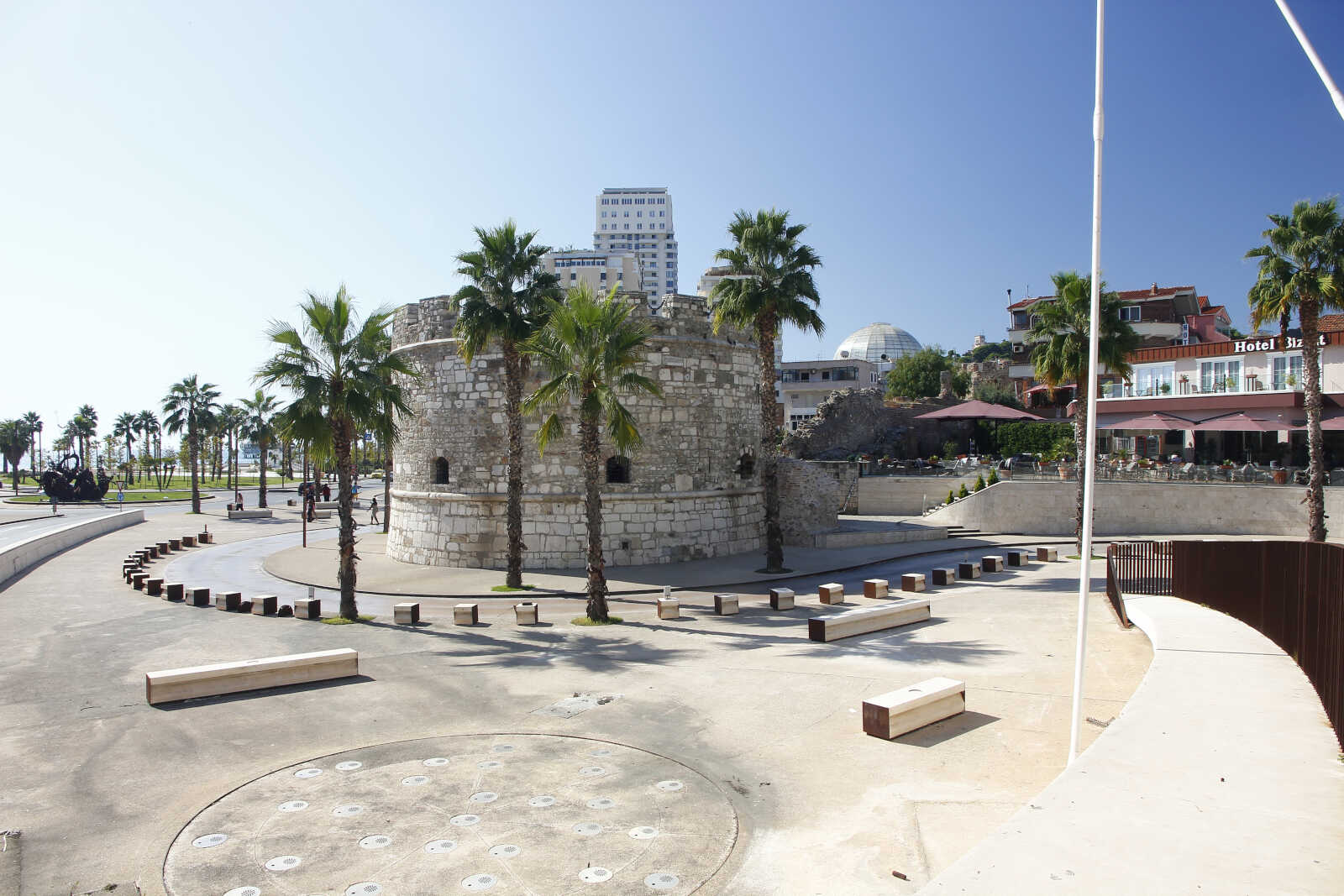
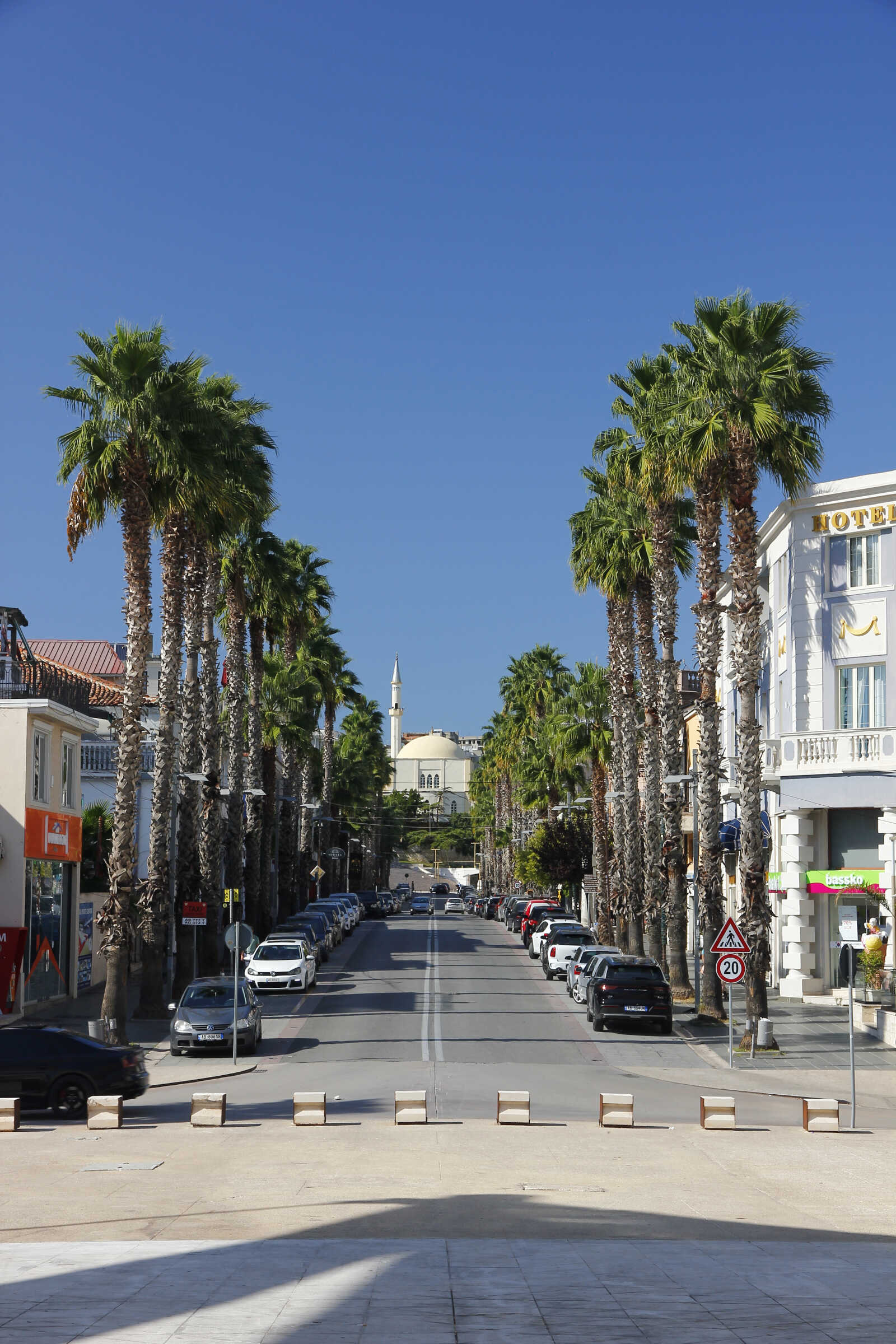
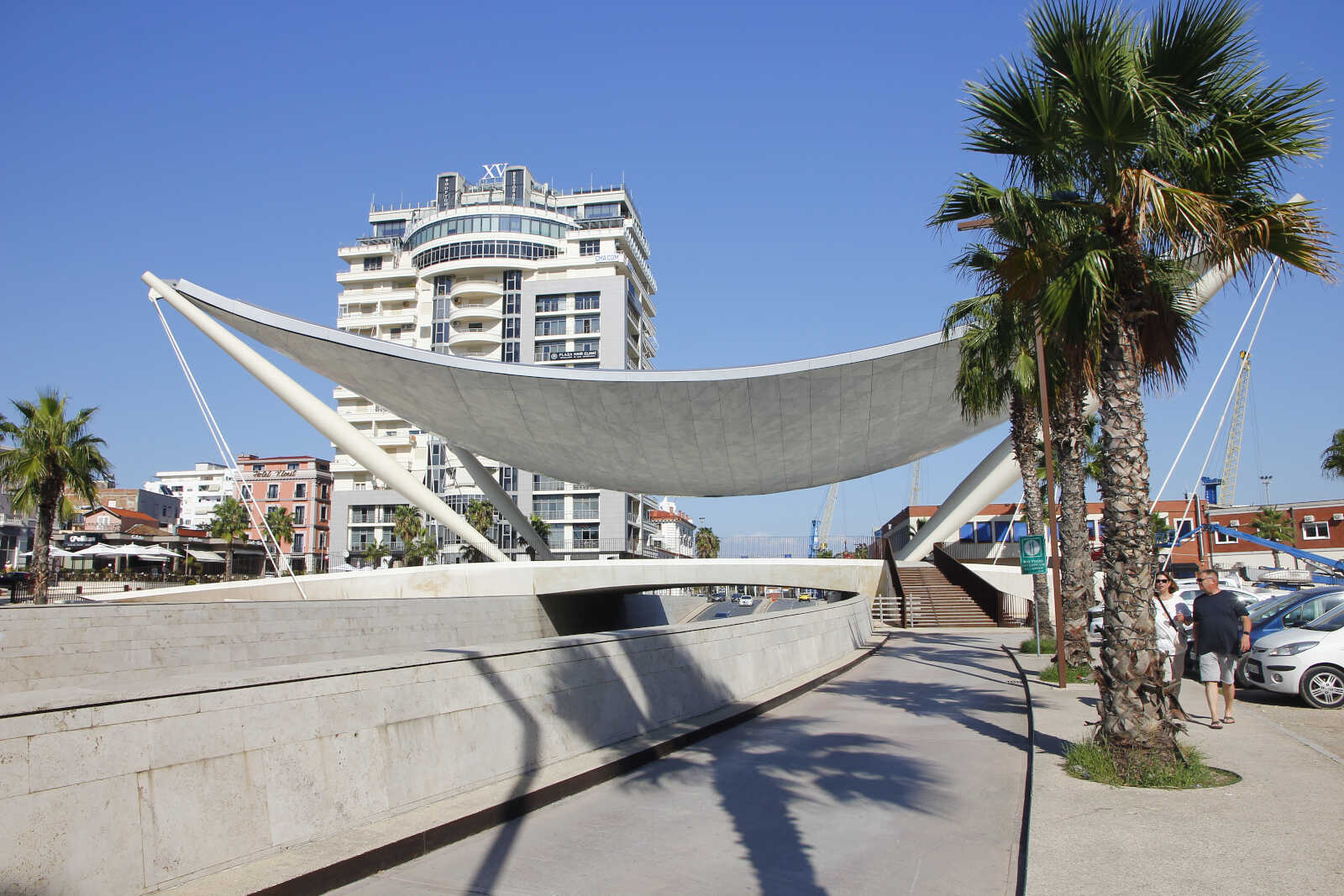
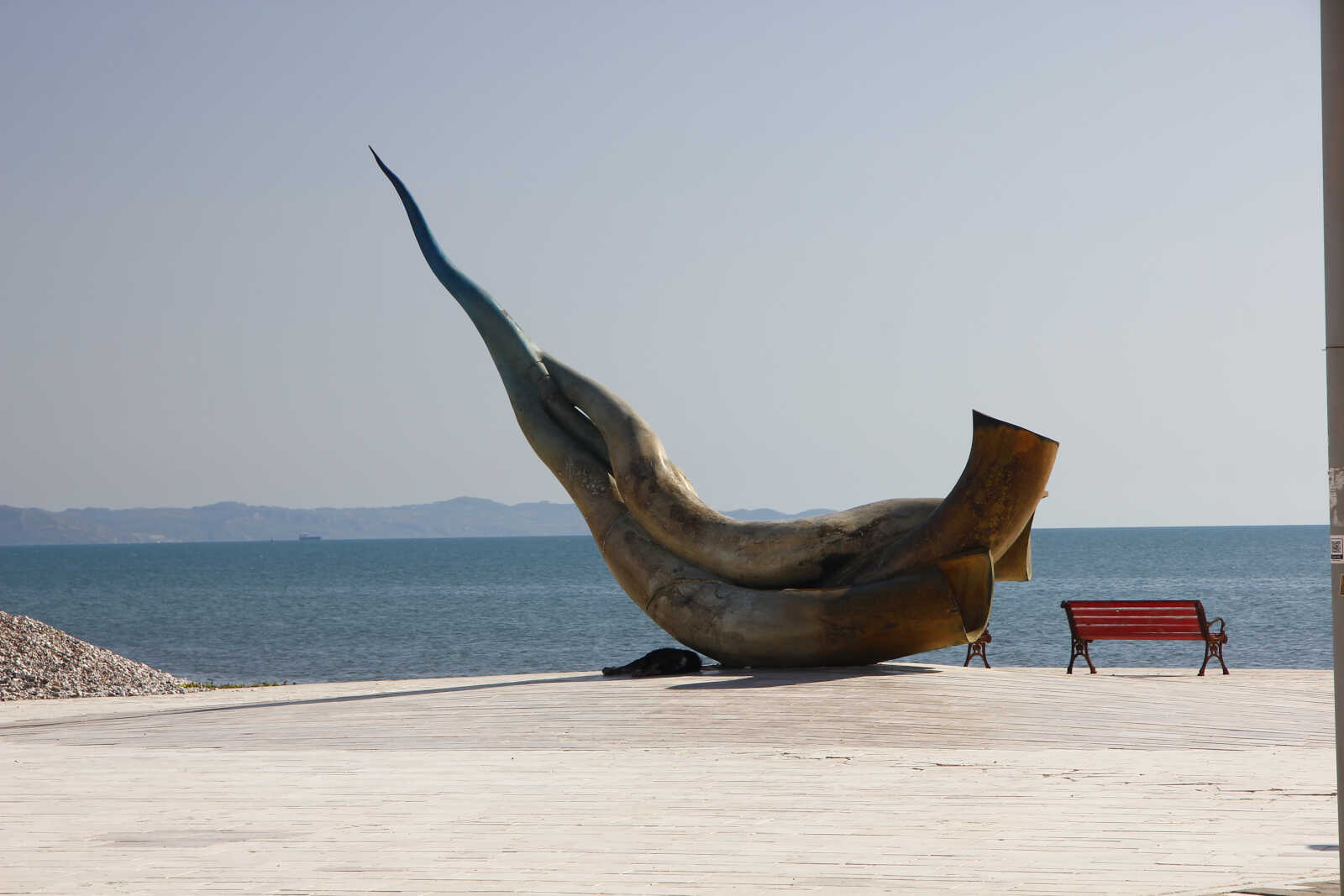
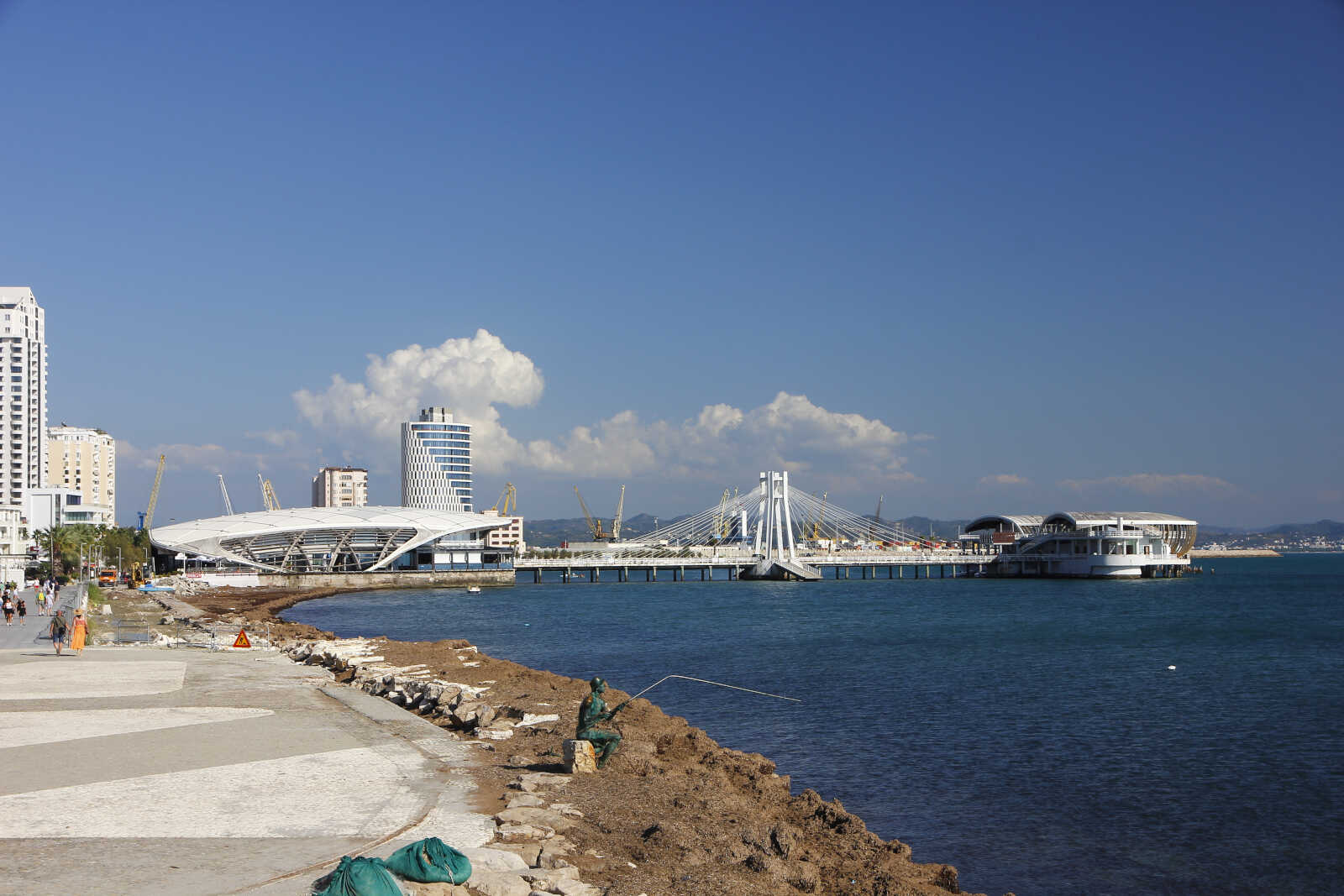
Per fortuna gli allagamenti non erano così gravi a Durazzo e grazie alle nostre fidate bici in 10 minuti siamo fuori dall'area del porto commerciale (dobbiamo sempre passare i controlli, ma non troviamo mai coda né abbiamo problemi con il personale che come il 99,9% degli albanesi incontrati è cordiale e disponibile) e in altri 5 minuti siamo nel cuore pulsante dei viali di Durazzo pieni di negozi e caffè affollati. La città è un susseguirsi di palazzi moderni, condomini, piccoli fruttivendoli e panifici imbucati e ci concediamo quasi ogni sera di mangiare qualcosa fuori, vista l'atmosfera piacevolissima della città e i prezzi super economici. Ovviamente non mancano le testimonianze della lunga storia di anche questo insediamento e le diverse culture che la animano da secoli: l'anfiteatro romano, il foro bizantino e le terme romane, la torre veneziana e le mura antiche, che guardano sul lungomare disseminato di sculture di arte contemporanea e hanno sullo sfondo la Grande Moschea della città.
Nell'ultima giornata insieme, ci dirigiamo verso sud. La prima tappa è il parco archeologico di Apollonia. Il primo insediamento risale all'epoca antica delle tribù illire, la città è poi diventata un centro importante per gli scambi commerciali grazie al suo fiume navigabile e alla costruzione della Via Egnatia con fenici, greci e poi romani e bizantini, come testimoniamo i reperti conservati nel Museo Archeologico.
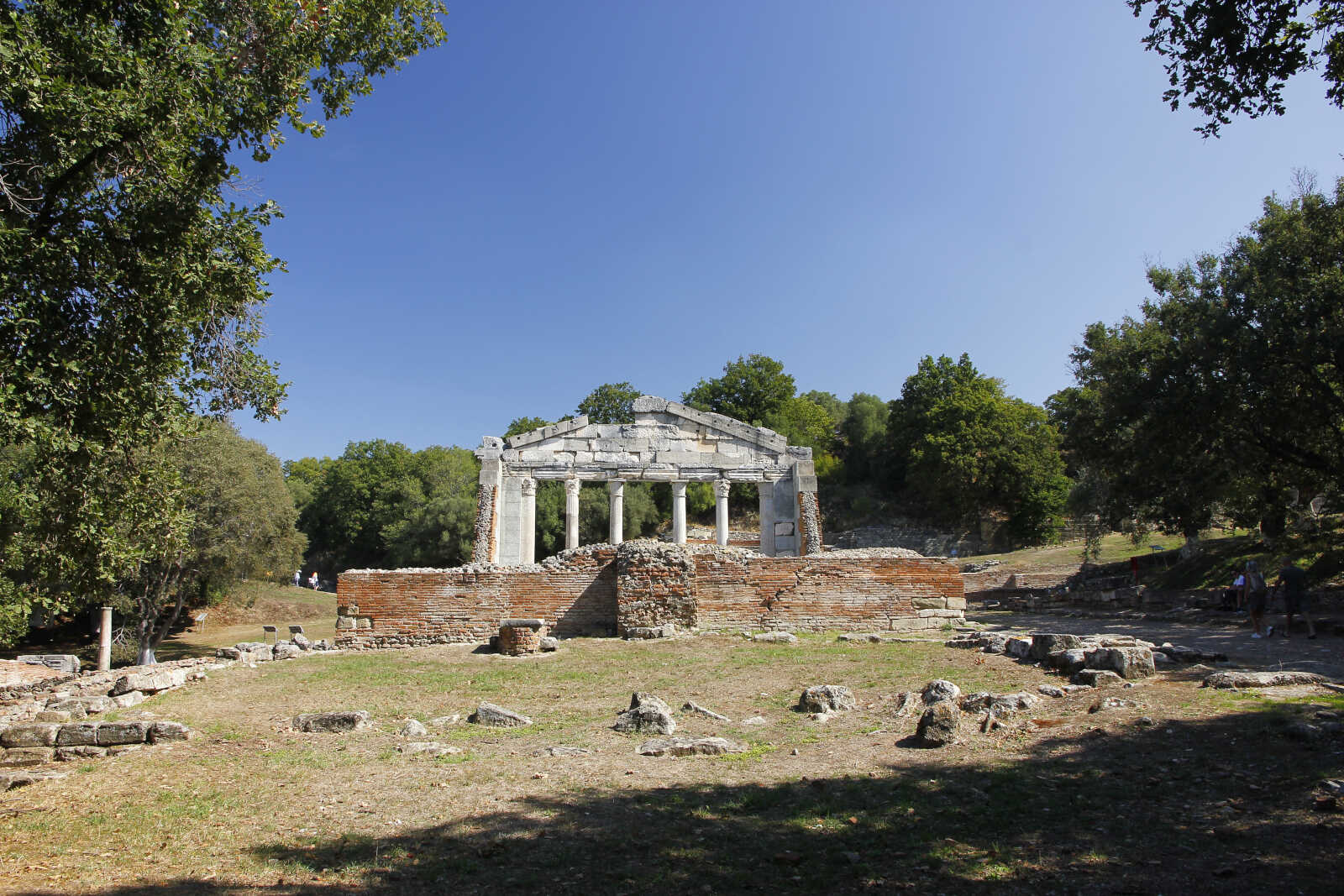
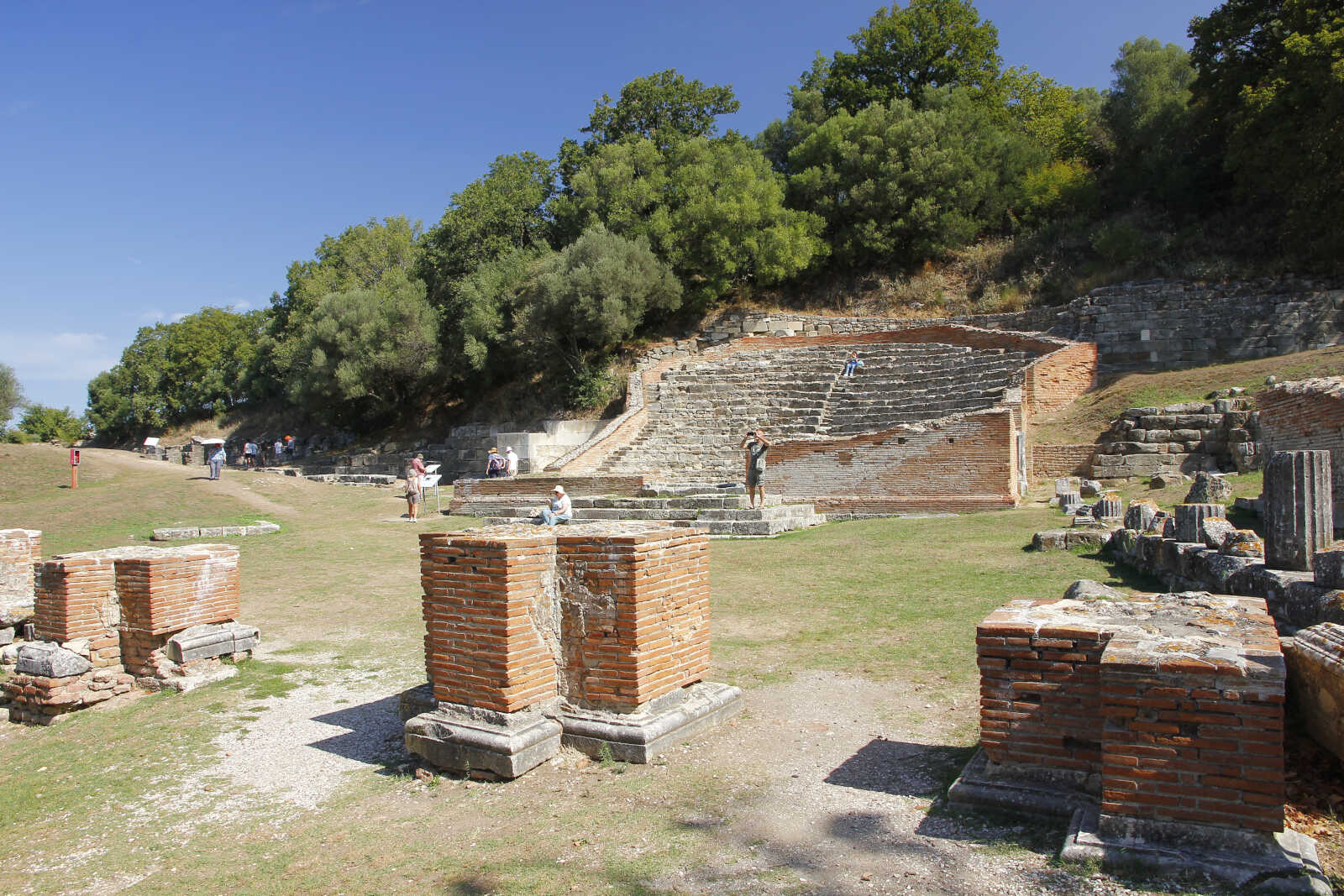
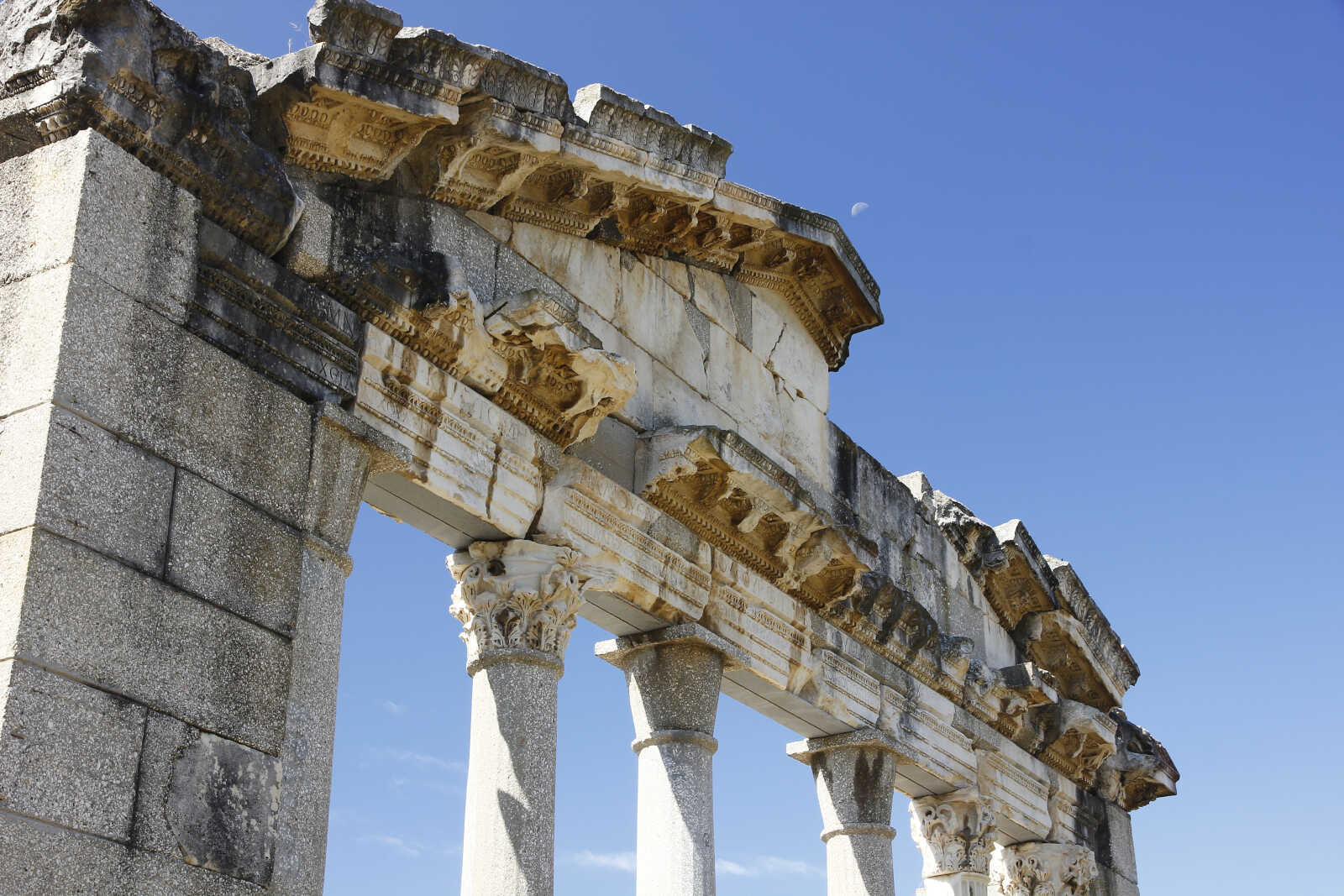
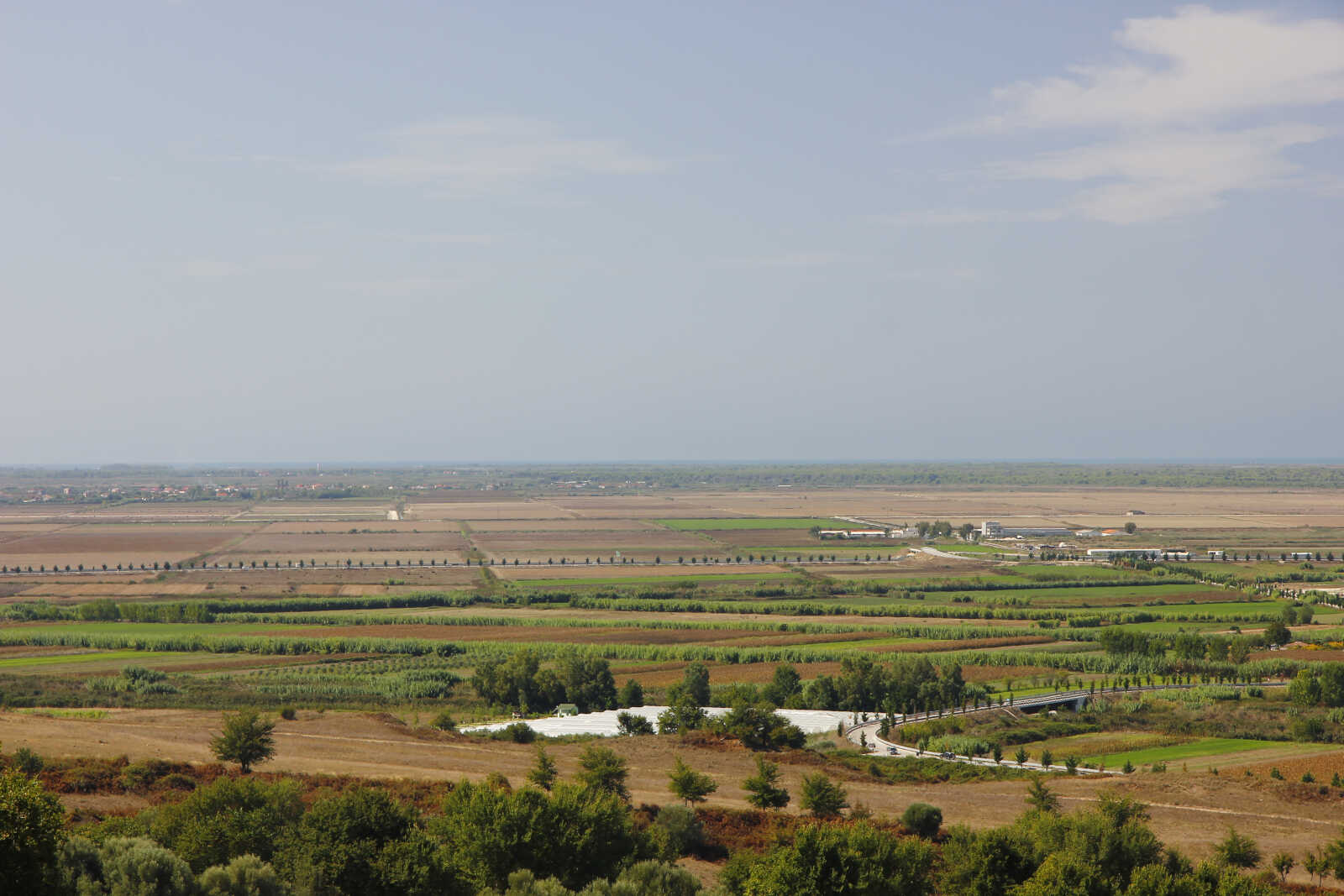
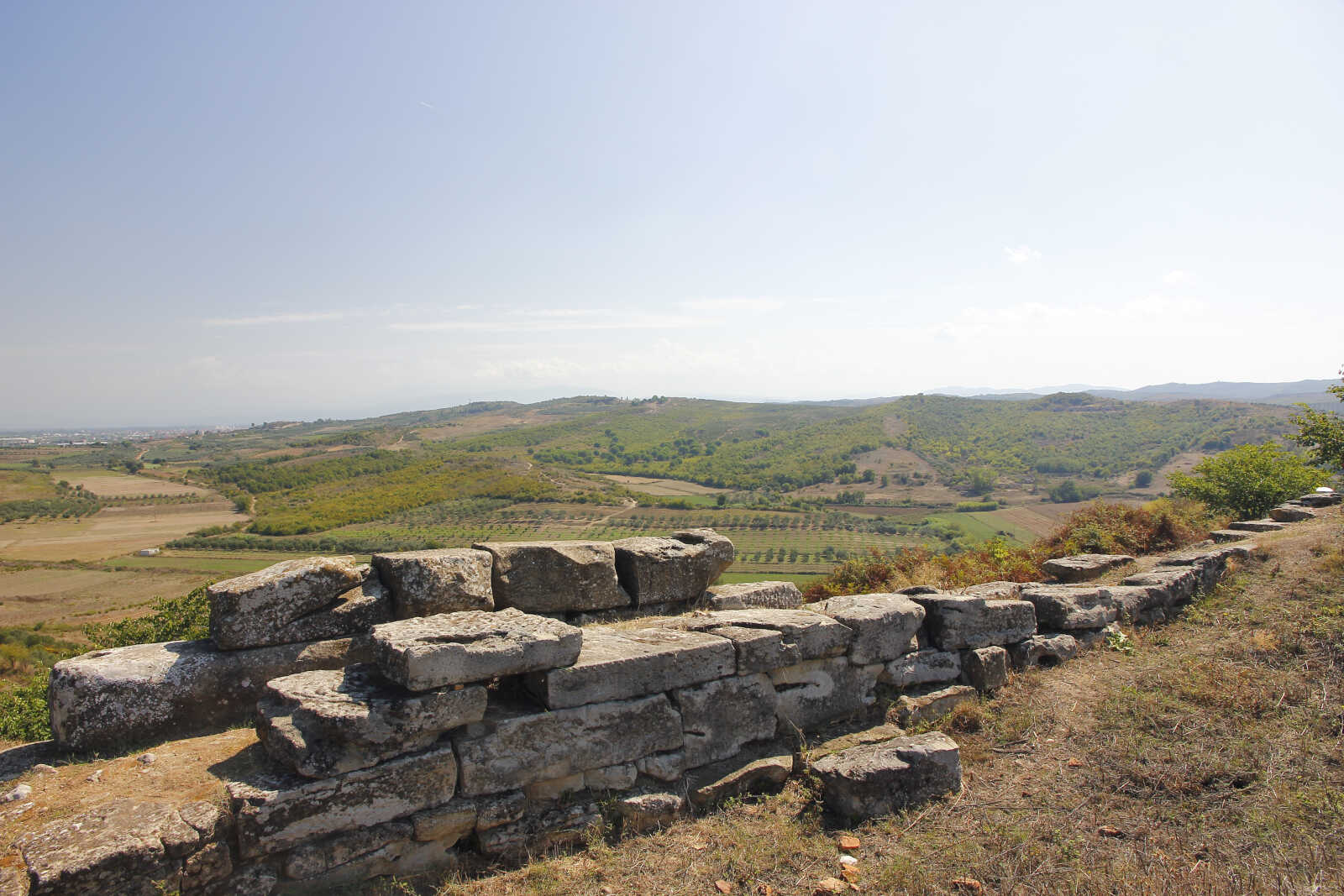
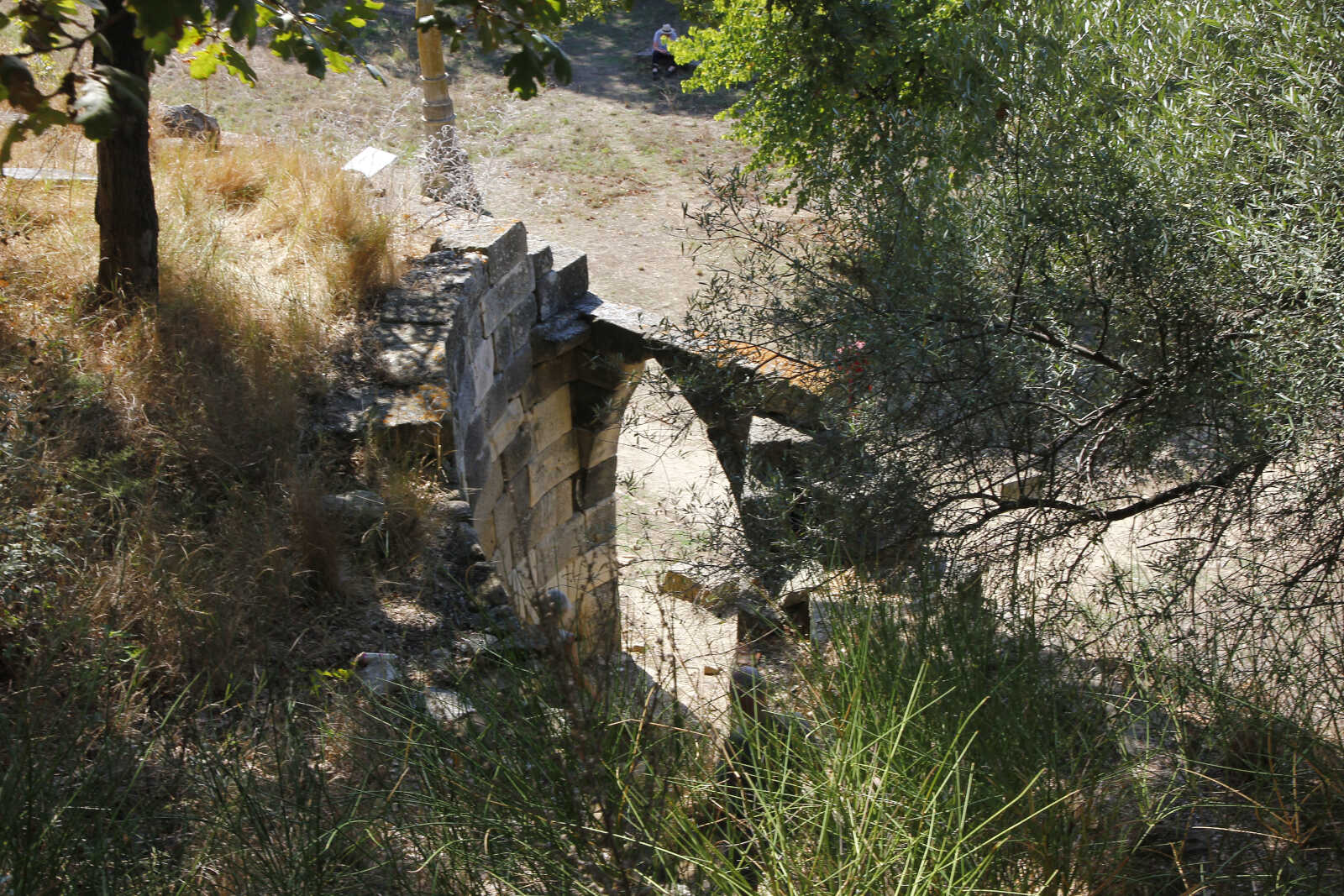
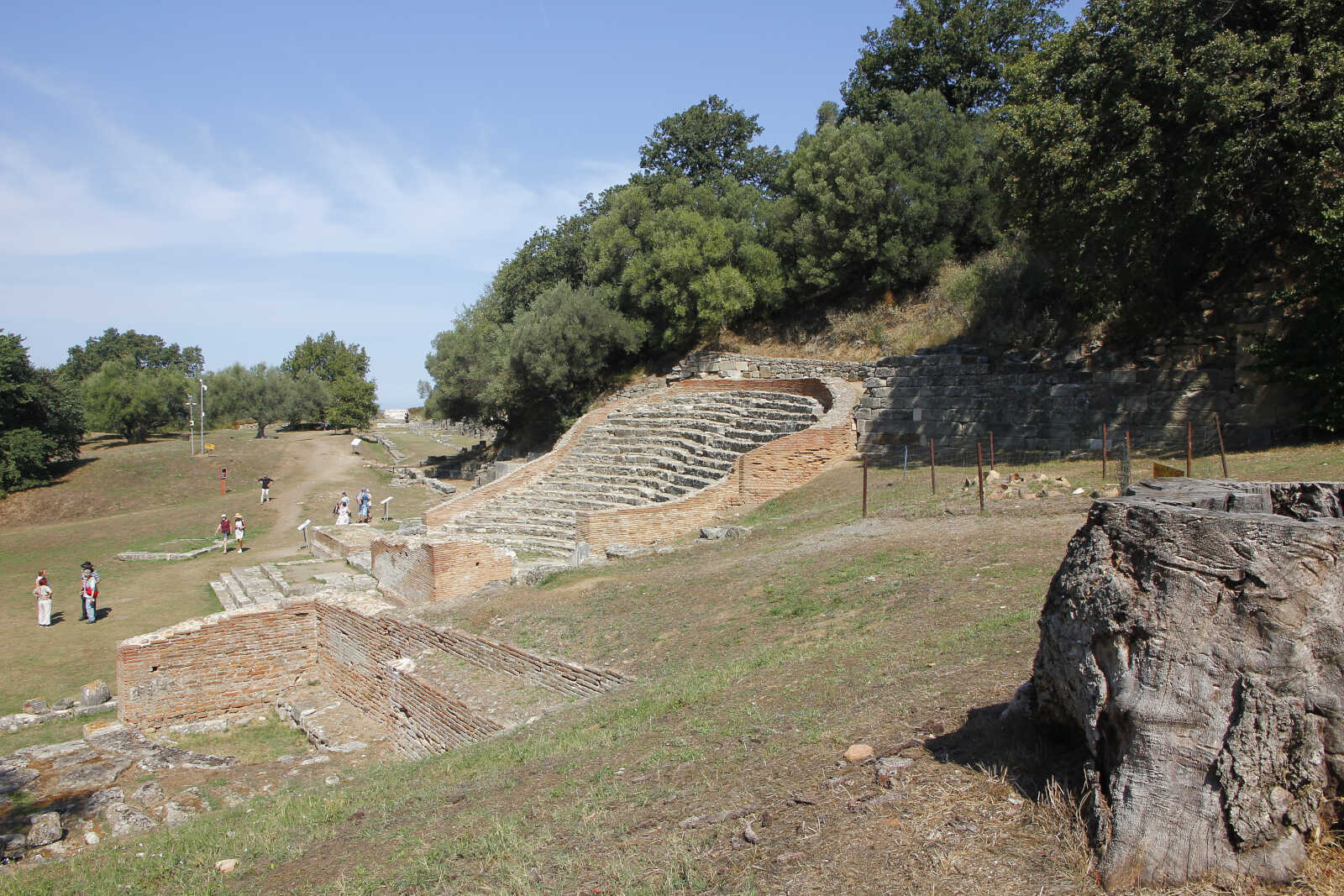
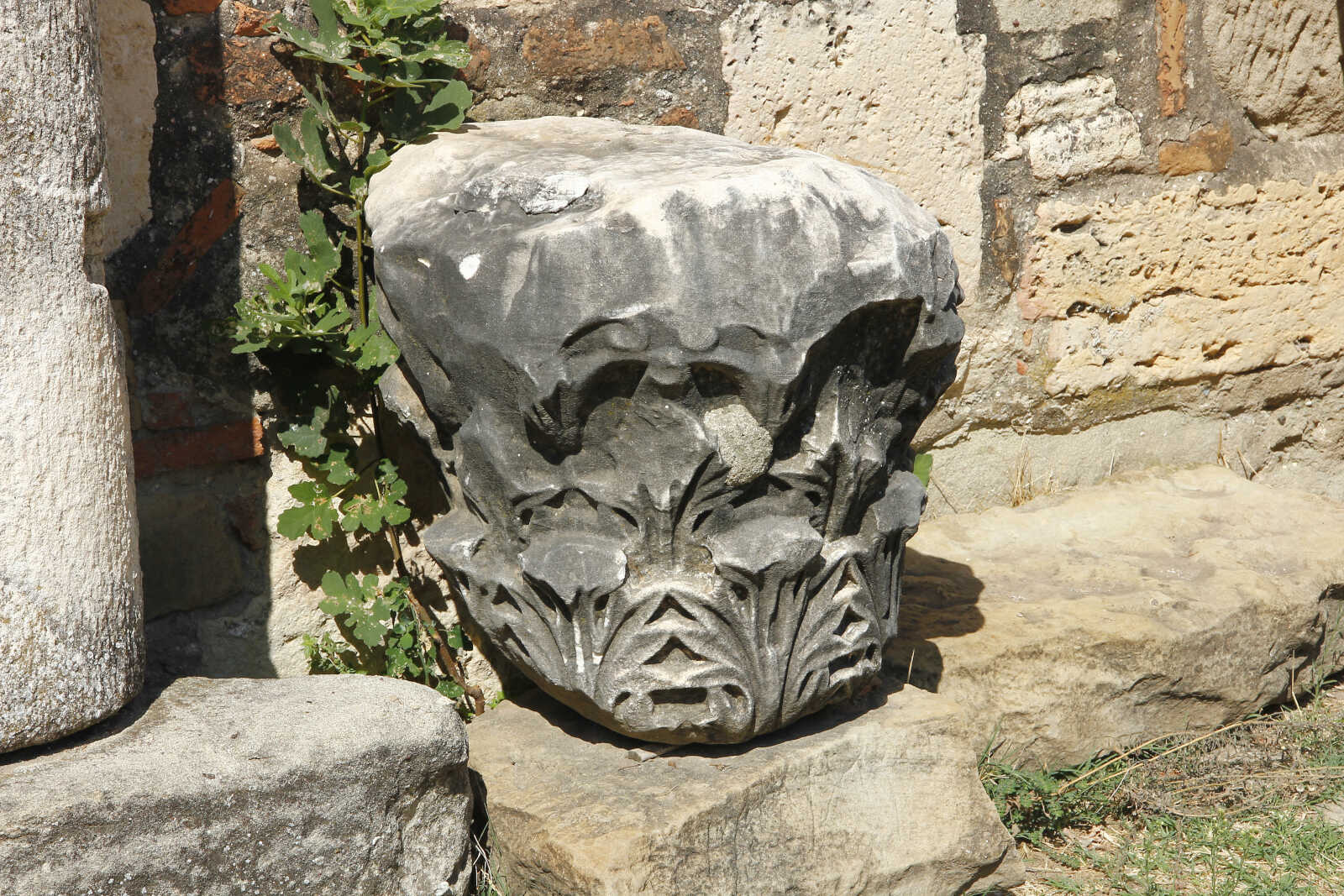
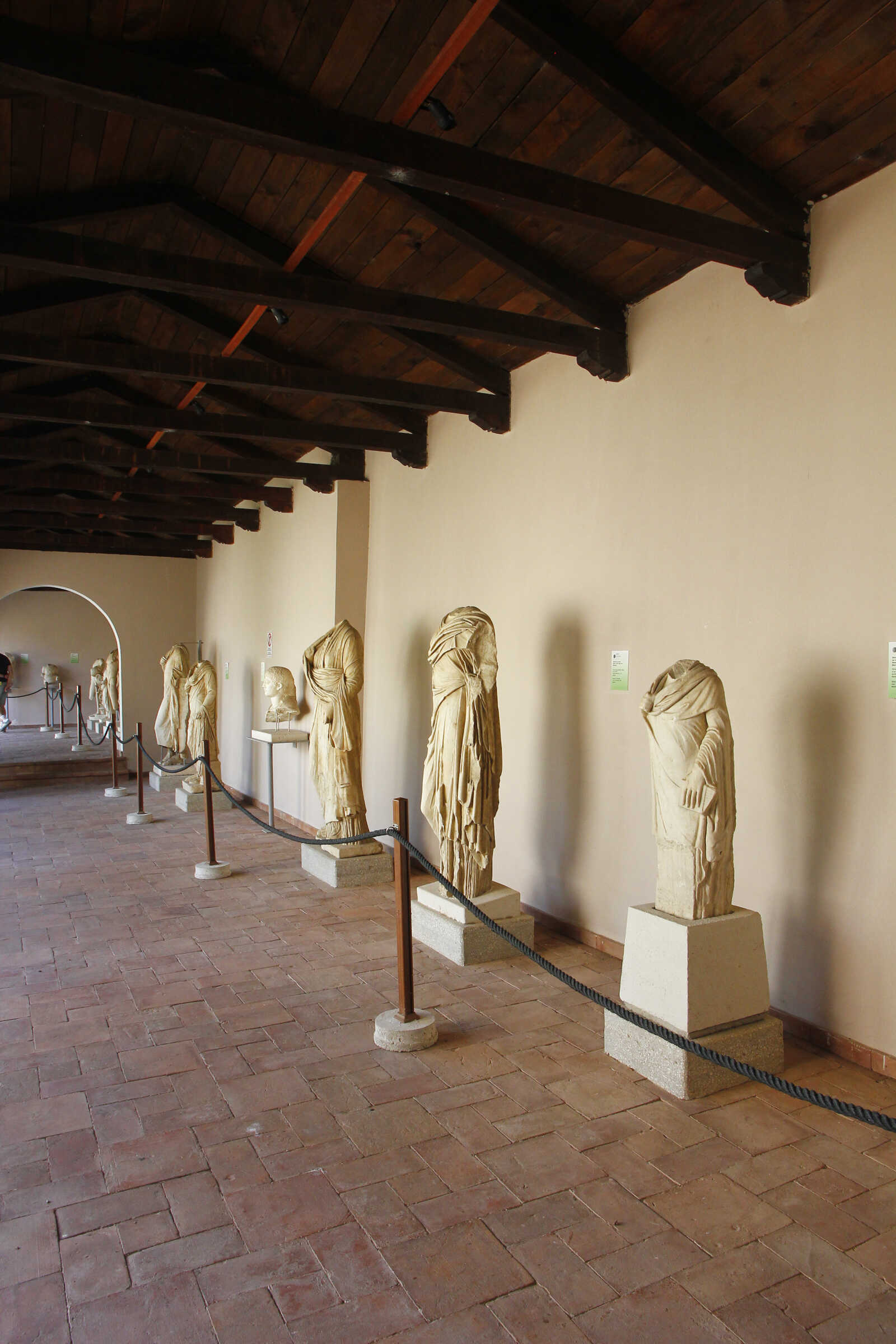
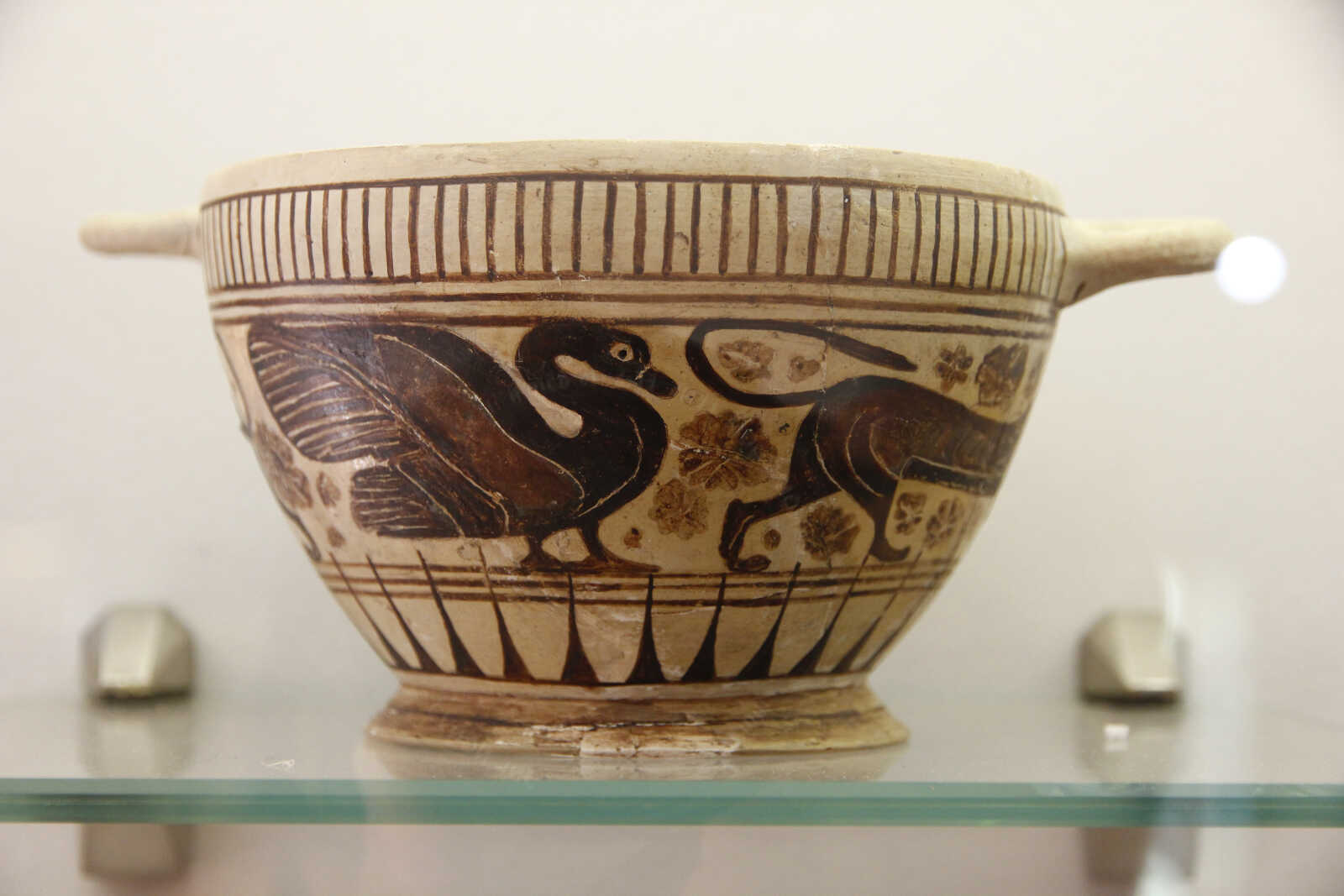
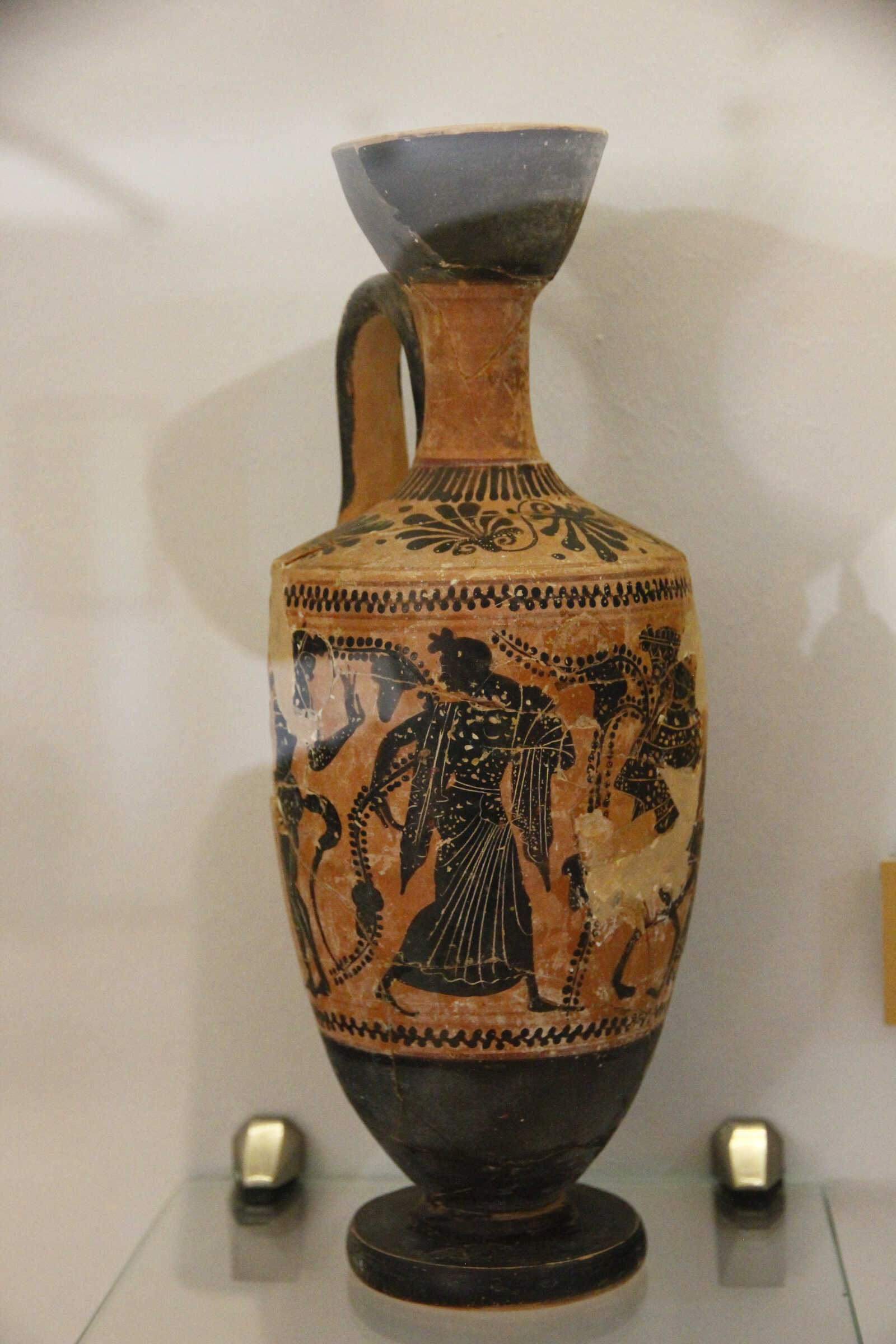
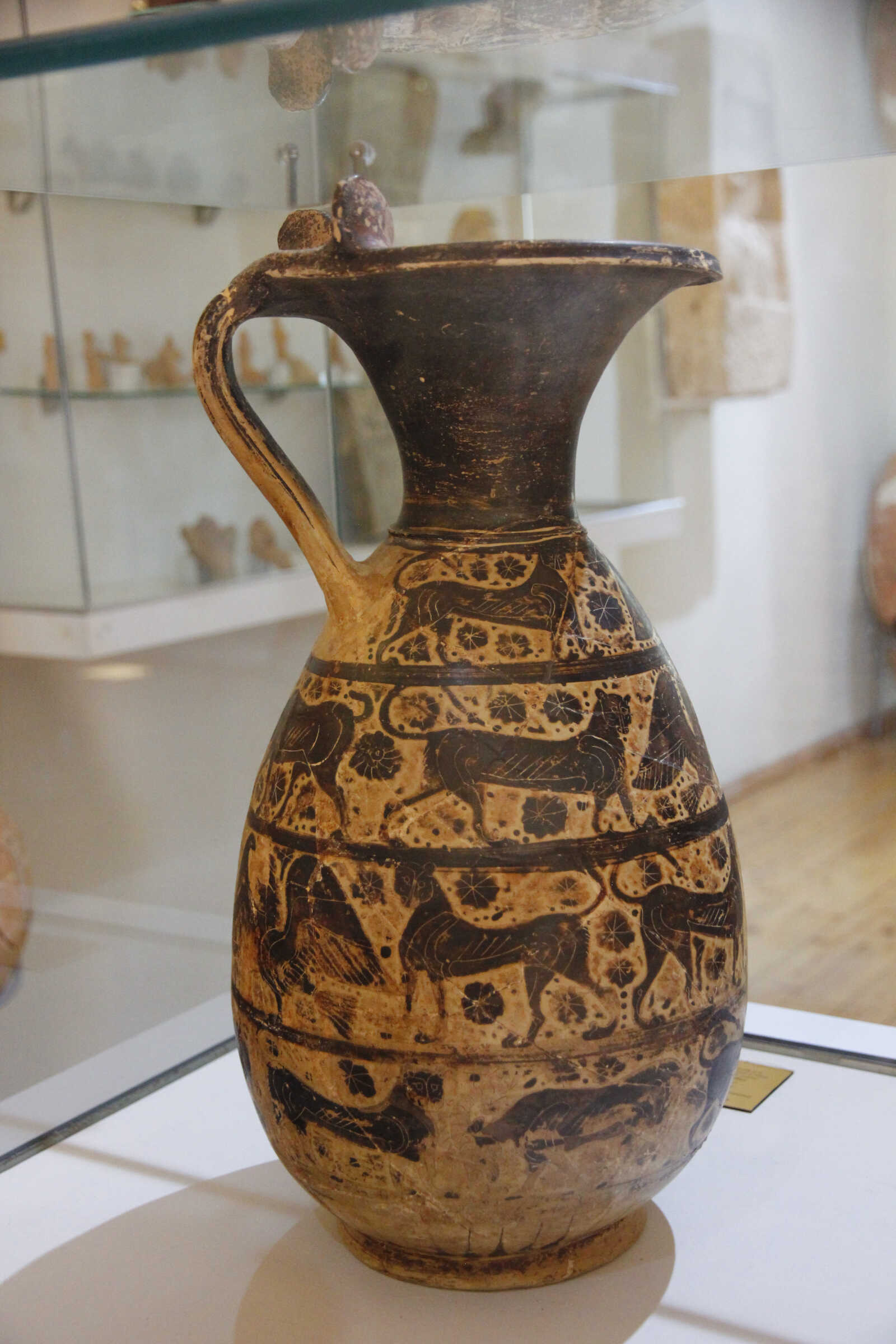
La città divenne in seguito anche sede di un'importante Diocesi, ma dal prosciugamento del fiume agli inizi del Medioevo conobbe un lento declino fino al completo abbandono.
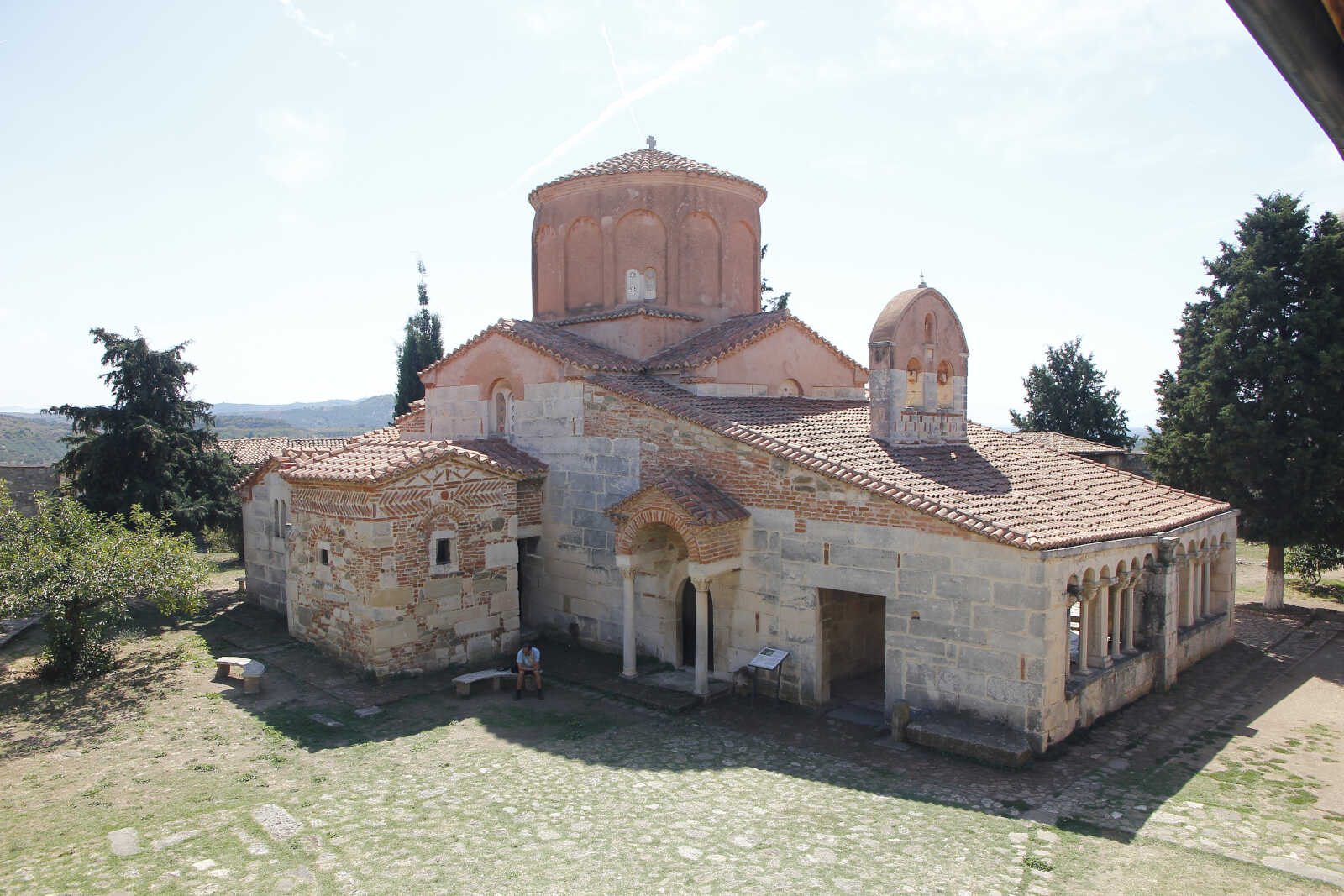
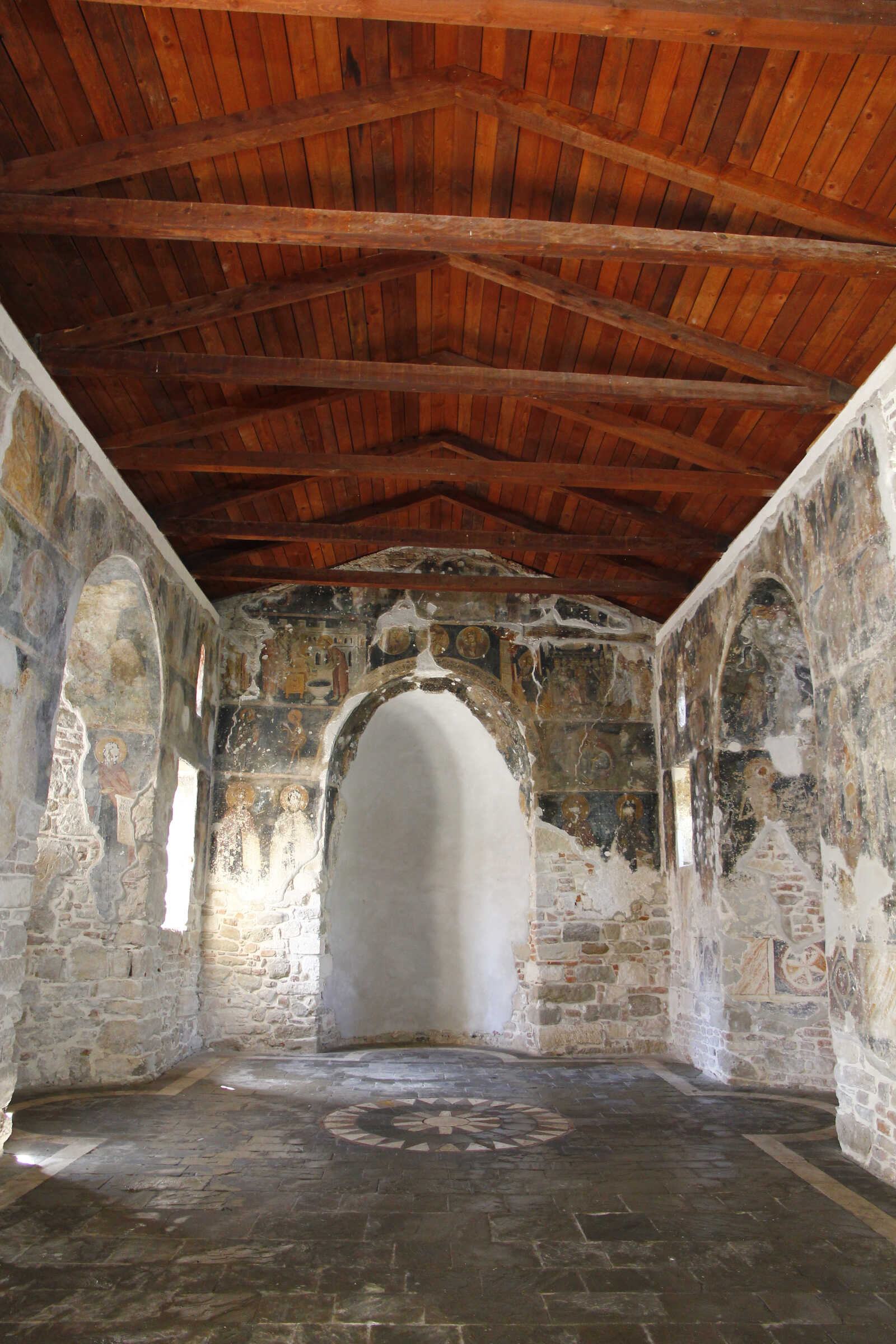
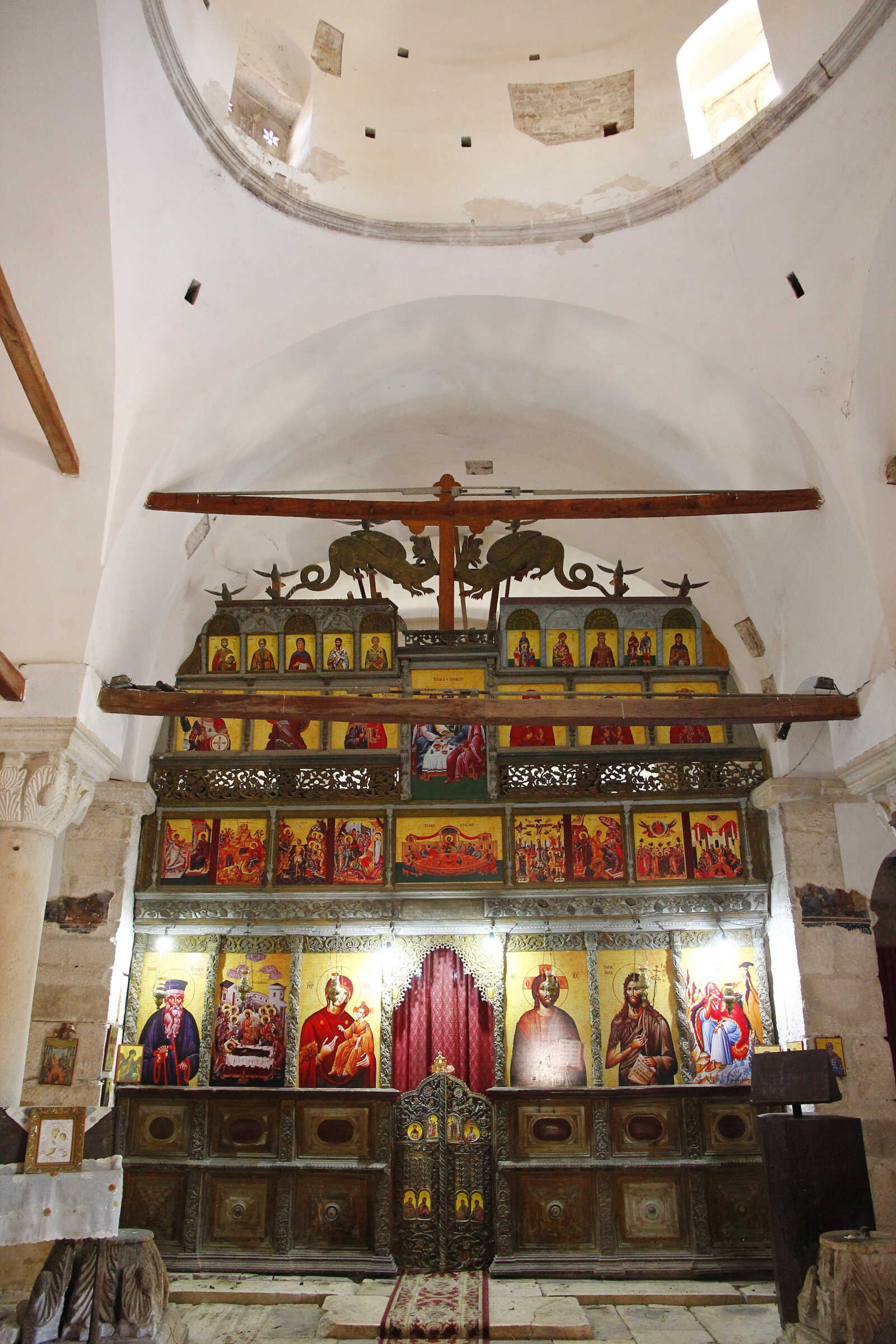
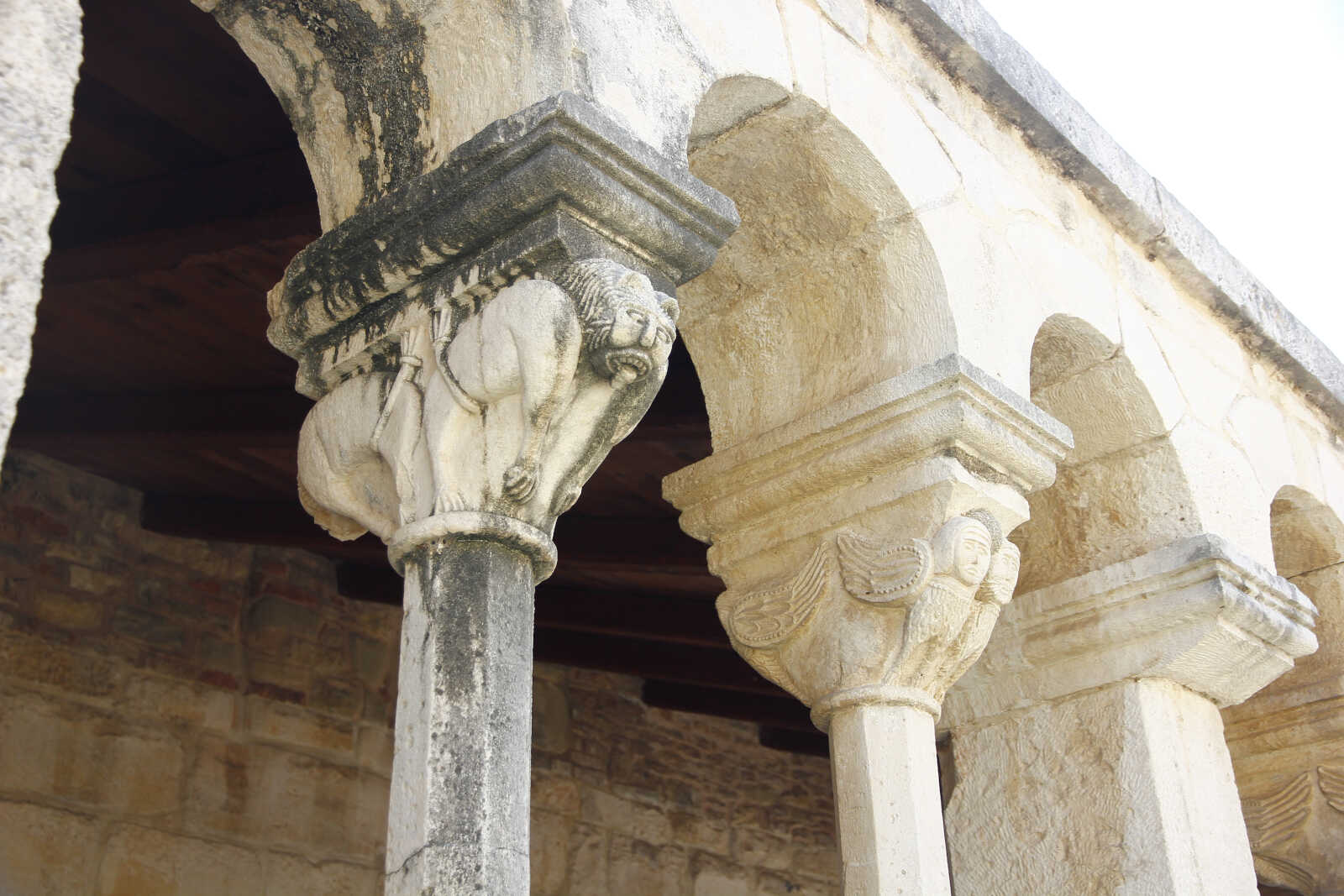
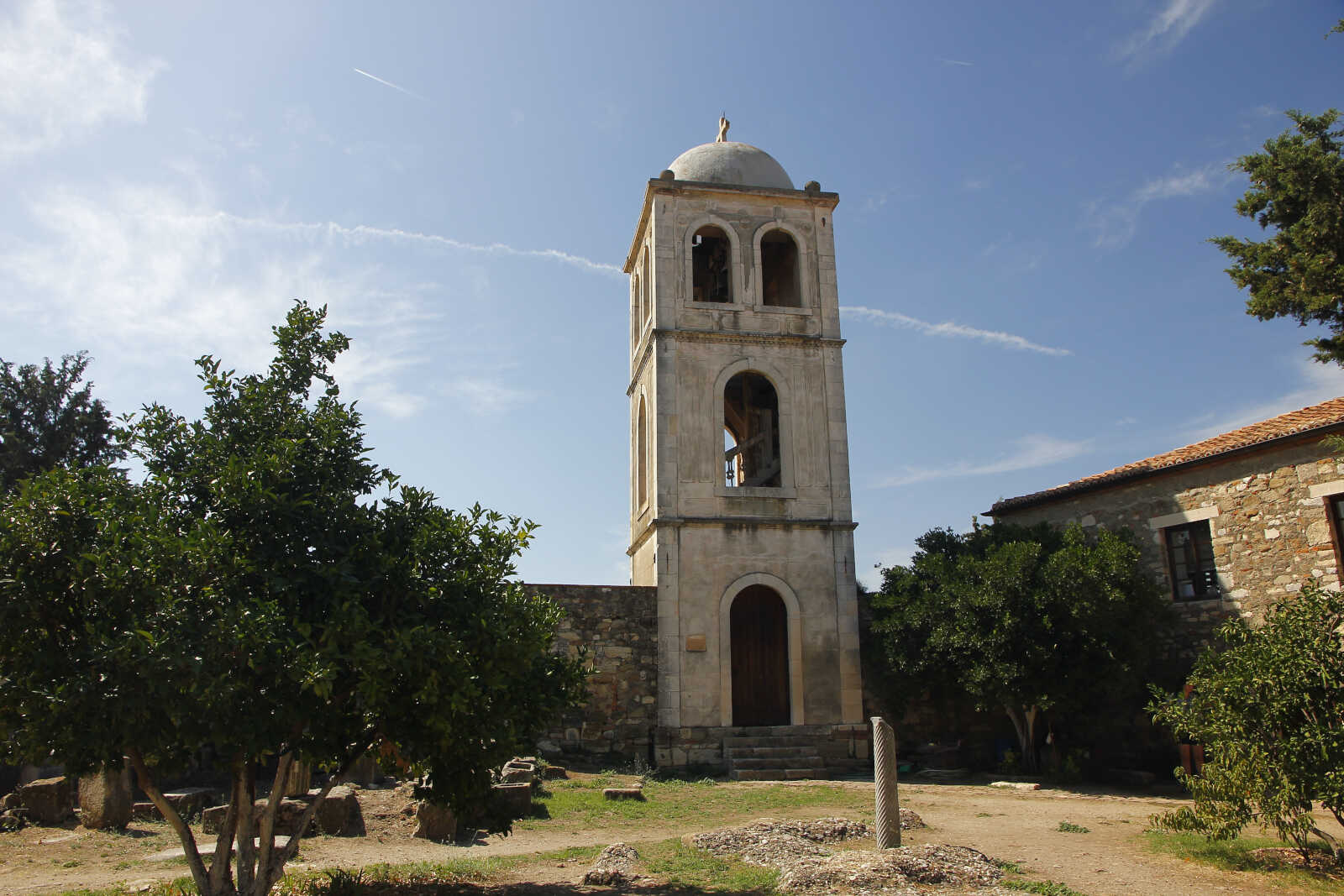
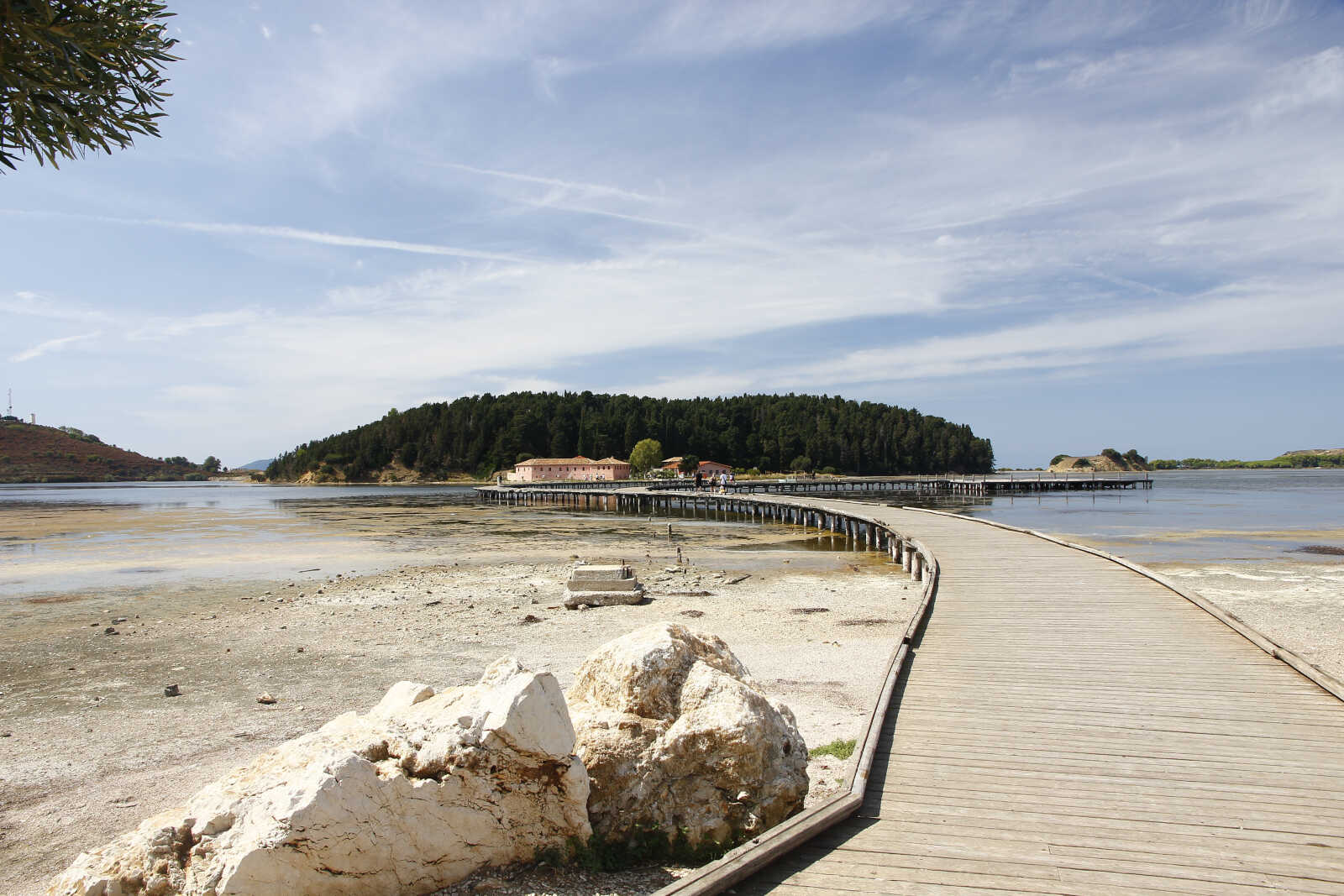
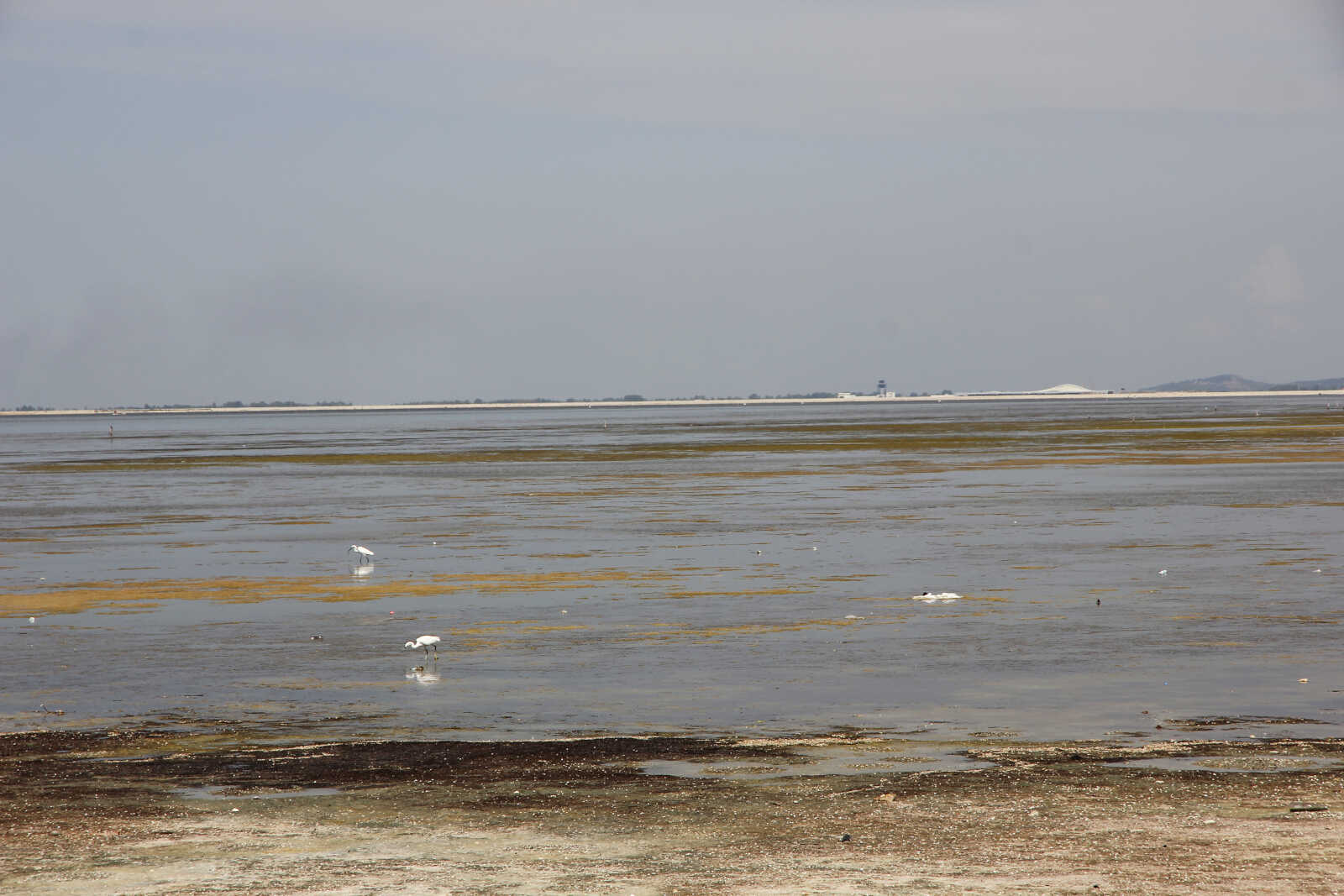
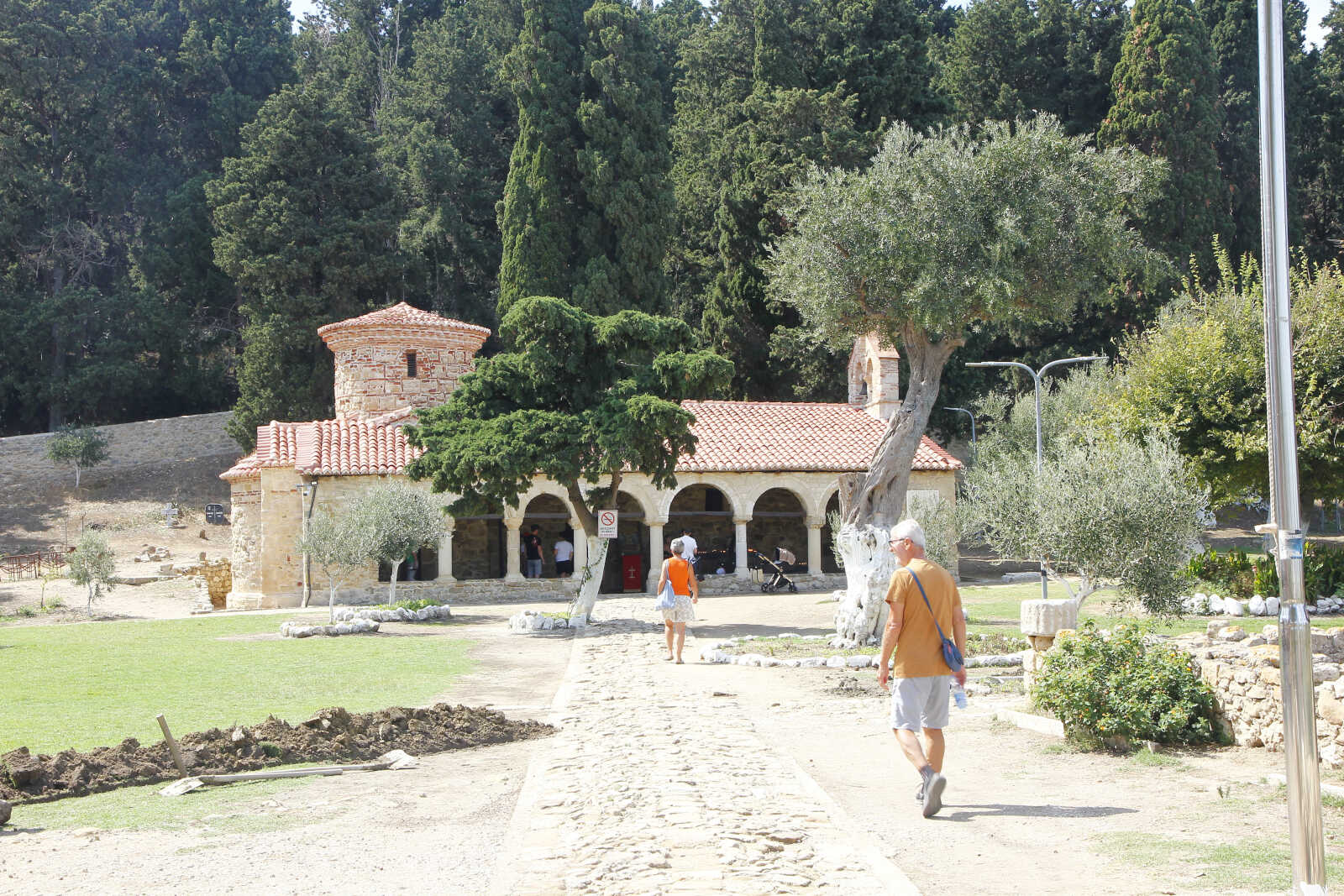
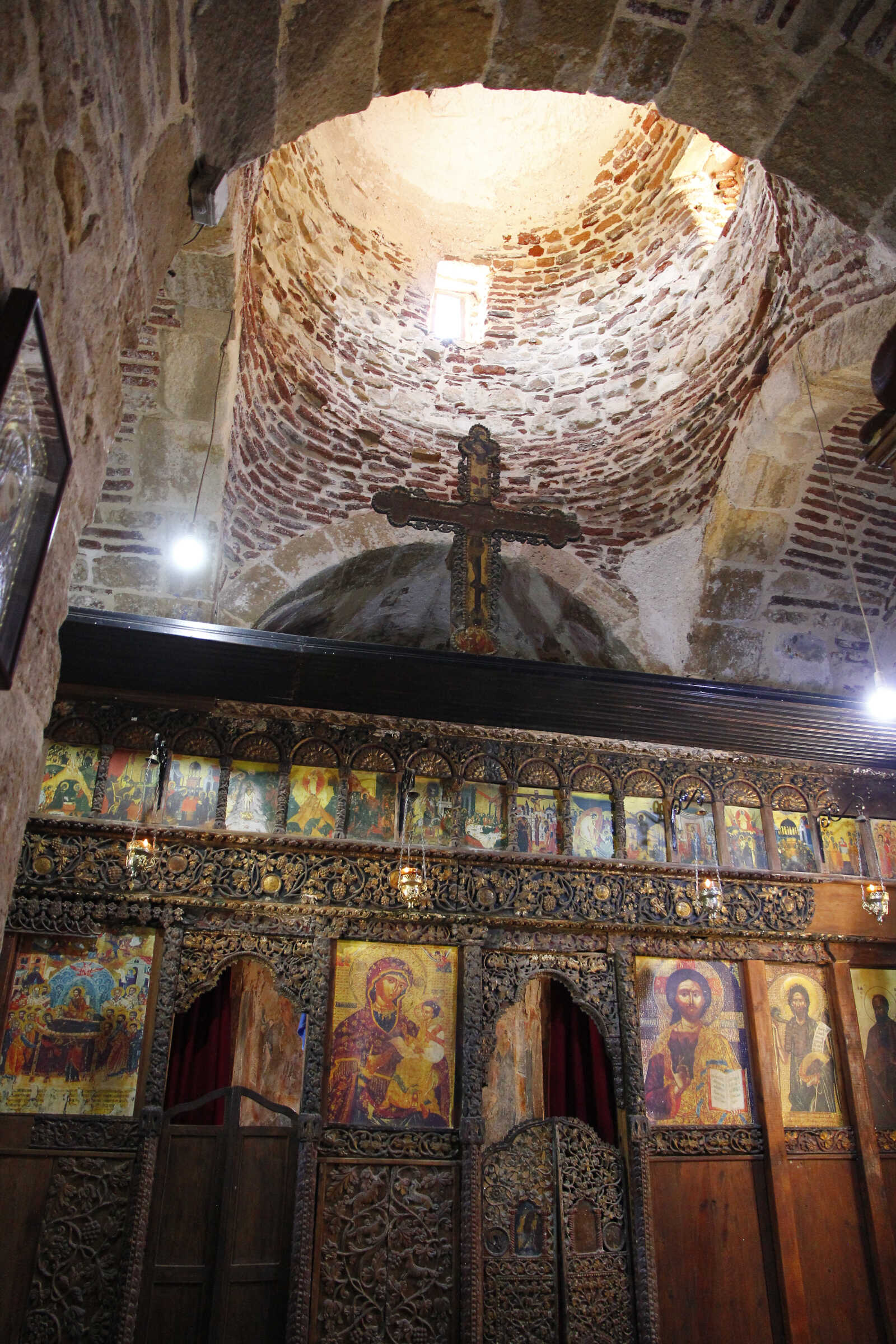
Un'altra meta imperdibile nella zona è il monastero medievale ortodosso di Santa Maria sull'isola di Zvernec che è raggiungile dalla terraferma percorrendo un sentiero che corre sulla laguna di Narta.
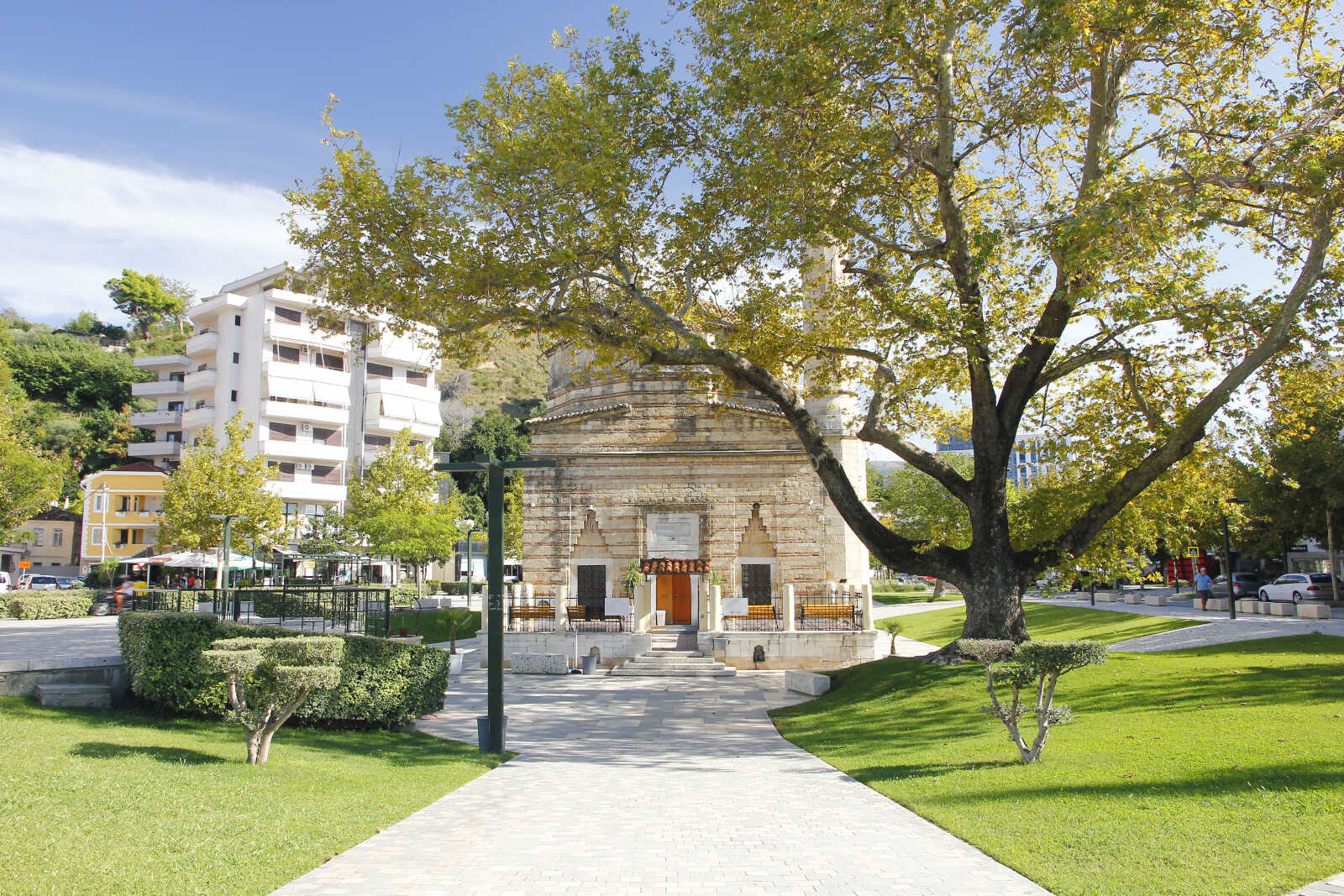
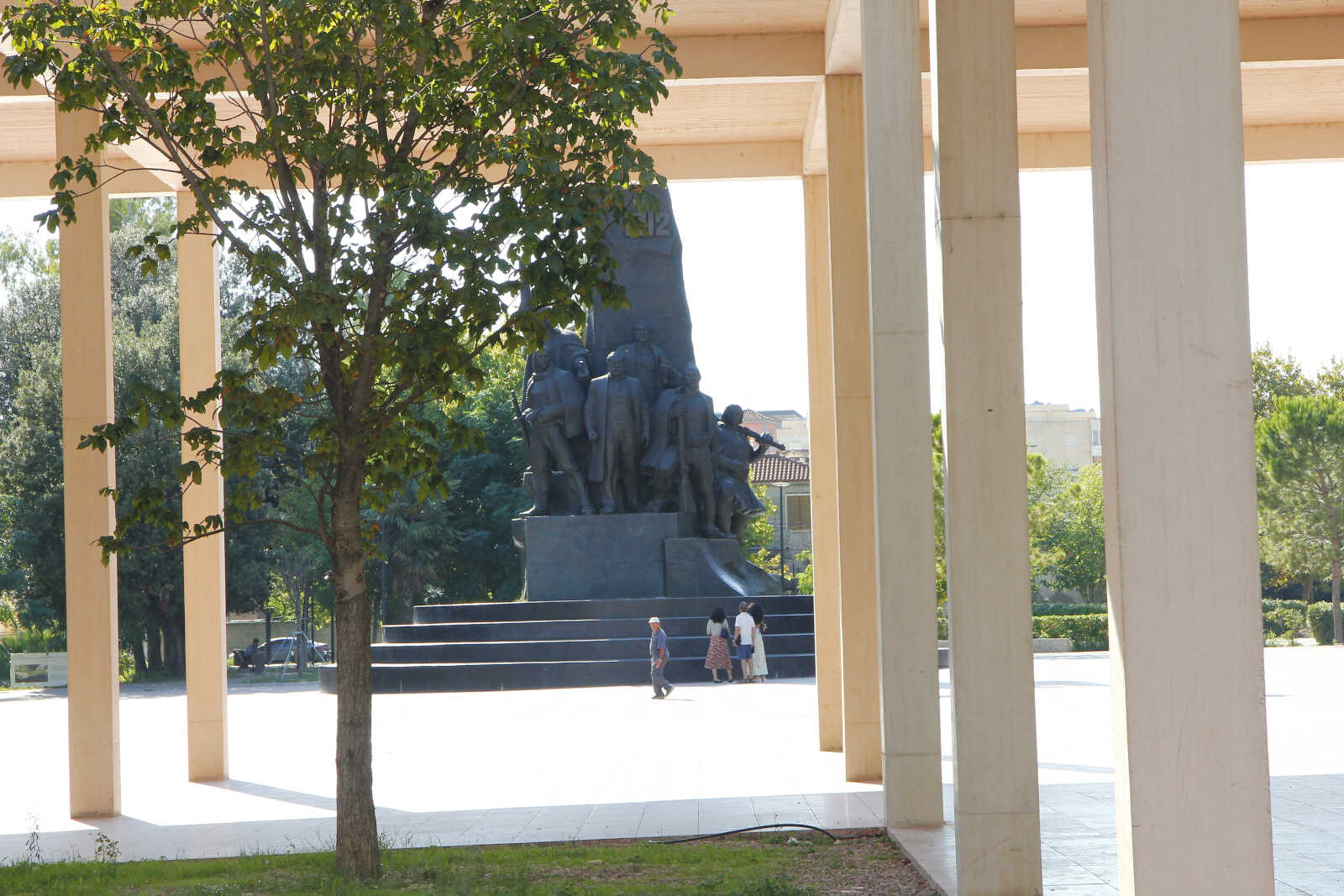
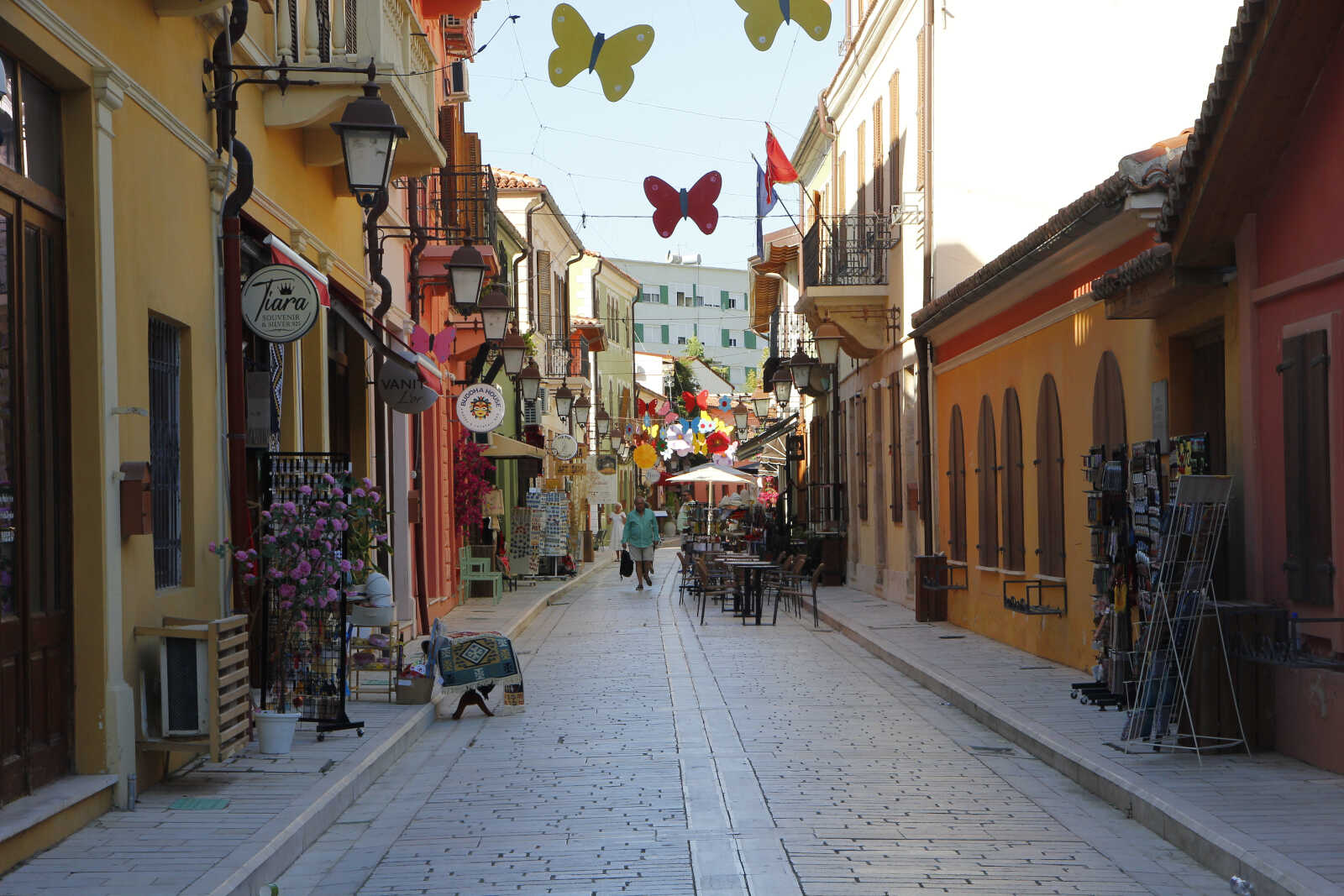
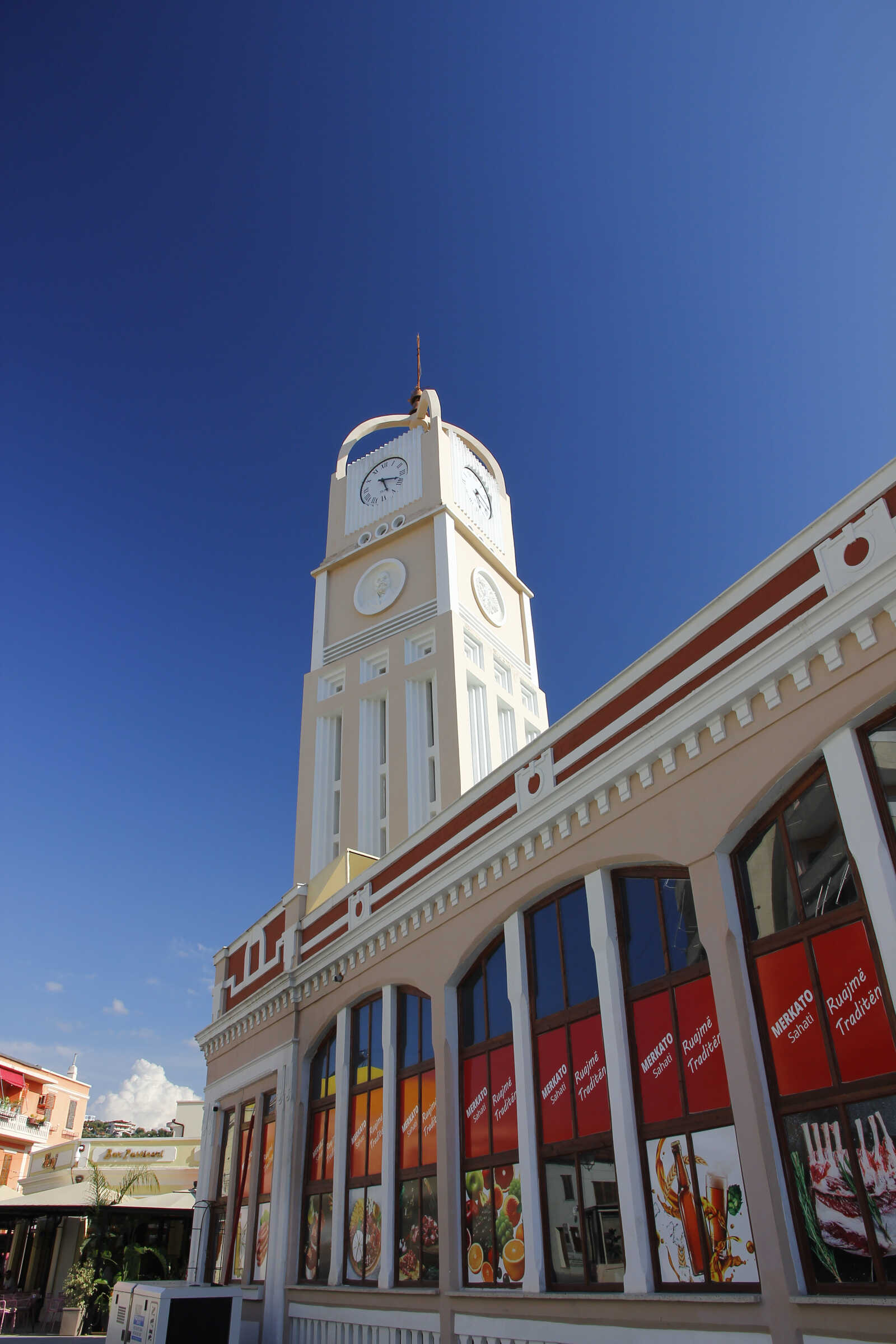
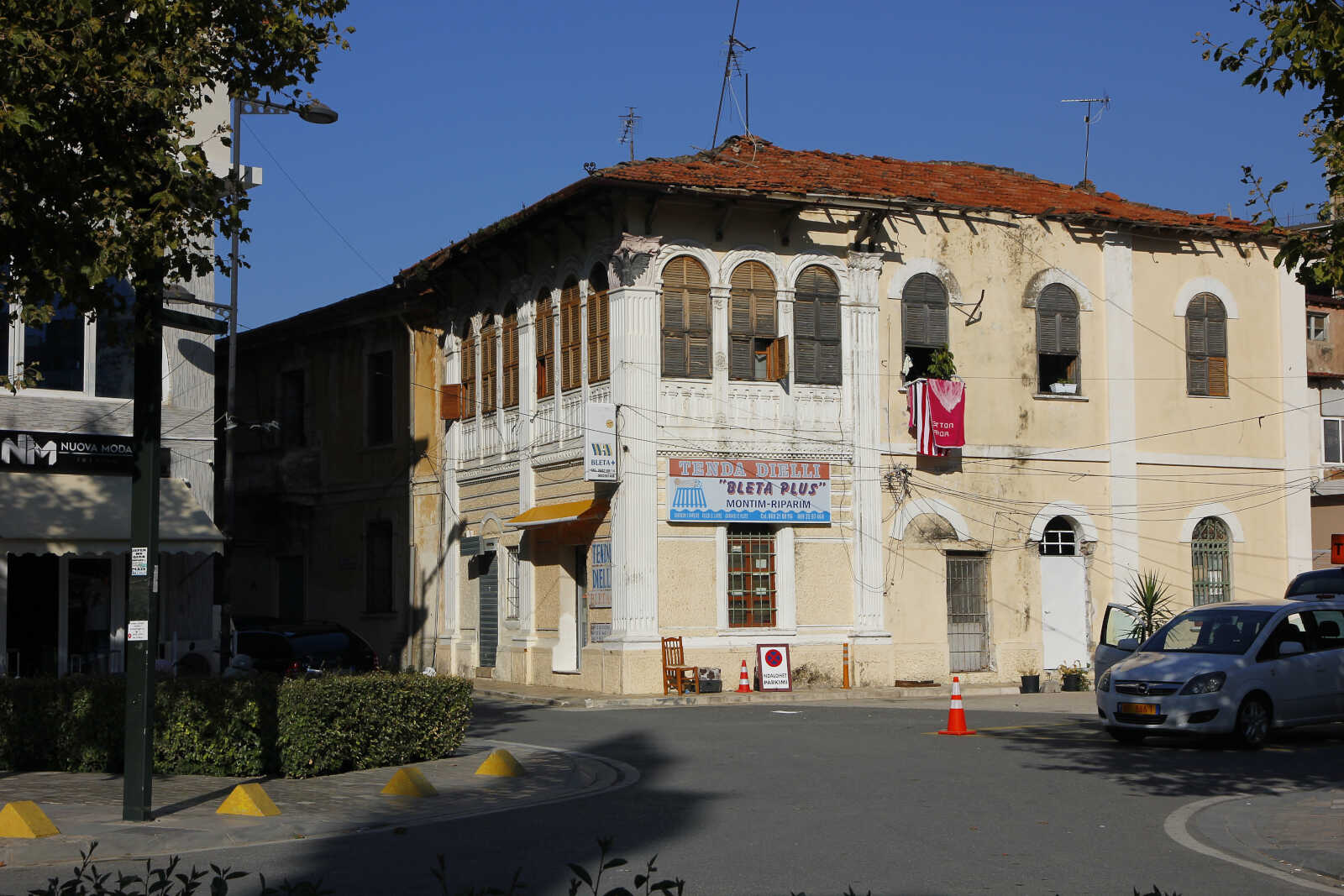
Anche se sarà la nostra prossima tappa verso sud, prima di tornare verso Durres, ci fermiamo per una passeggiata a Vlore (Valona in italiano). È la terza città del Paese e con il suo lungomare, i palazzoni moderni, le moschee, le chiese e i tanti negozi e bar ha una tranquilla atmosfera cittadina.
Salutiamo Luciano e Nives con una gustosa cena alla pescheria di quartiere.
Discovering the Albanian hinterland
9 Dec, 2025
The strong wind from the southeast was causing an annoying swell to the pier in the port of Durres, but it was not a problem since we were planning to be onboard only at night and we knew that Lilith was safe even if she would roll a little in our absence.
The next day we met Melani's parents for lunch and we had the opportunity to see the newest promenade in Durres: the hotels are all brand new or still to be finished and the beach is a series of resorts. The sea is not the clearest, but it is not the reason why we stopped here: the city is located in the middle of the Albanian coast and is the perfect starting point to explore the hinterland.
The next day we had planned to visit the center of Durres, but unfortunately due to the heavy rains of the night before some areas were flooded, so we preferred to go to Kruja, a village 45 km northeast of Durres, famous for the bazaar dating back to the Middle Ages and the Skandergberg Castle.
Leaving the motorway and the touristycoast,we passed through many lively and authentic villages and towns that gave us a taste of the very common traffic jams on the Albanian streets.
Kruja is perched at the foot of high mountains rich in water springs, from which the name of the city derives and made possible the settlement since ancient times of Illyrian tribes. The city was then conquered by the Romans and in 1190 it became the capital of the first Albanian state of the Middle Ages, the Principality of Arbër. It was later integrated into the Byzantine Empire and then into the Kingdom of Serbia, until 1415 when it was conquered by the Ottoman Empire to which it belonged, like all of Albania, almost continuously until its fall five centuries later.
Of the Ottoman heritage, the picturesque market still remains in the city and today on the stalls you can see souvenirs, typical products , handmade carpets, traditional clothes and the typical cooked wool headdresses.
The narrow streets of the Bazaar are dominated by the Castle on the hill. It was built in the 4th and 5th centuries AD on the remains of an earlier Illyrian settlement from the 3rd century BC and it expanded in the following centuries. Today it houses the National Museum dedicated to Giorgio Castriota Scanderbeg, hero of the resistance against the Ottoman Turks, whose visit gives an interesting overview of the most important events in the history of Albania and its people.
On the second day the guide (that is, Nives with her trusty Lonely planet) proposes the Lead Mosque, so called because its domes were covered with lead. The mosque, the only in the area that survived the 1966 Revolution. It was also the largest in all of Albania until the middle of the 20th century, was completely renovated in 2024, perhaps losing some of its charm. It is not only a place of worship, but also a landmark in the modern history of Albania, having been the first to reopen at the end of the communist era, thus becoming a symbol of the beginning of the return of religious freedom after decades of closures and prohibitions.
Not far from the mosque is the fortress of Rozafa, dating back to the second century, from which you can enjoy a wonderful view of the plain of the Boiana, Kir and Drin rivers and the surrounding mountains, bathed by Lake Shkodra, the largest on the Balkan Peninsula and the natural border between Albania and Montenegro.
Given that we had the luxury of having a car (with a driver, since only Luciano could drive it according to the rental contract) we continued to our next stop: the city of Shkoder.
As soon as we arrived, we had lunch in a small restaurant where we had a taste of the typical northern mountain cuisine, based on vegetables, cheese and meat. We then walked through the cobbled streets of the lively town.
The large mosque in the center has one of the few fountains of drinking water in the country (in Albania not even the locals drink the water from the aqueducts for the high doses of chlorine). Around the corner we saw a large Orthodox church and not far the Cathedral of St. Stephen, Catholic.
To conclude the culinary experience of the day, we stopped at a cafe to try the Trilece (literally "three milks") made with milk, condensed milk and cream and covered with caramel, it looks like pannacotta, but has the texture of a very soft soaked sponge cake. It is served fresh and goes perfectly with coffee, of which the Albanians are great consumers.
Before driving back, we stopped at the Mes Bridge, a stone bridge over the river Kir built around 1770 by the local pasha and still accessible on foot thanks to a recent restoration.
On the way back we saw from afar the castle of Alessio, founded in ancient times by the Illyrians and enlarged by the Romans, Byzantines, Ottomans and Venetians who ruled over the centuries on these lands.
Fortunately, the floods were not so serious in Durres and thanks to our bikes we were out of the commercial port area in 10 minutes (we always had to pass the check-points, but we never found a queue or had problems with the staff who, like 99,9% of the Albanians we met, were friendly and helpful) and in another 5 minutes we were in the pulsating heart of the avenues of Durres full of shops and crowded cafes. The city is a succession of modern buildings with bakeries, small fruit&veg and groceries shops on street level. We indulged ourselves almost every night to eat something out since we loved the pleasant atmosphere of the city and the food at super cheap prices. Obviously, there is no lack of evidence of the long history of this settlement and the different cultures that have animated it for centuries: the Roman amphitheatre, the Byzantine forum and the Roman baths, the Venetian tower and the ancient walls, which look on the promenade scattered with sculptures of contemporary art and have the Great Mosque of the city in the background.
On the last day together, we headed south. The first stop was the Archaeological Park of Apollonia. The first settlement dates back to the ancient era of the Illyrian tribes, the city then became an important centre for trade thanks to its navigable river and the construction of the Via Egnatia with Phoenicians, Greeks and then Romans and Byzantines, as one can see from the finds preserved in the Archaeological Museum.
The city later also became the seat of an important Diocese, but from the drying up of the river at the beginning of the Middle Ages it experienced a slow decline until it was completely abandoned.
Another unmissable destination in the area is the medieval Orthodox monastery of Saint Mary on the island of Zvernec, which is connected to the mainland through a path that runs over the Narta lagoon.
Although it will be our next stop sailing South, before returning to Durres, we stopped for a walk in Vlore. It is the third city in the country and with its promenade, modern buildings, mosques, churches and many shops and bars it has a laid back city atmosphere.
We said goodbye to Melani's parents over a tasty fish dinner at the neighborhood fish shop.