L'arrivo in Albania (settembre)
29 novembre 2025
- ENGLISH VERSION BELOW -
Arriviamo come da programma a Shengjin nel pomeriggio. Le pratiche di ingresso richiedono l’utilizzo di un agente e per fortuna riusciamo ad accordarci per svolgere il tutto dall’ancoraggio senza dover usare il porto commerciale.
L’Albania non è ancora attrezzata per il turismo nautico: ad ora esiste un solo marina ad Orikum, per il resto si tratta di attracchi ricavati nei porti commerciali con tutti i disagi che ciò comporta: banchine molto alte, parabordi per grandi imbarcazioni, essere in mezzo a traghetti e navi commerciali, non avere servizi igienici, ecc. A questo va aggiunto una costa che, specialmente nella parte settentrionale, offre pochi ridossi rendendo la crociera in queste acque più complicata.
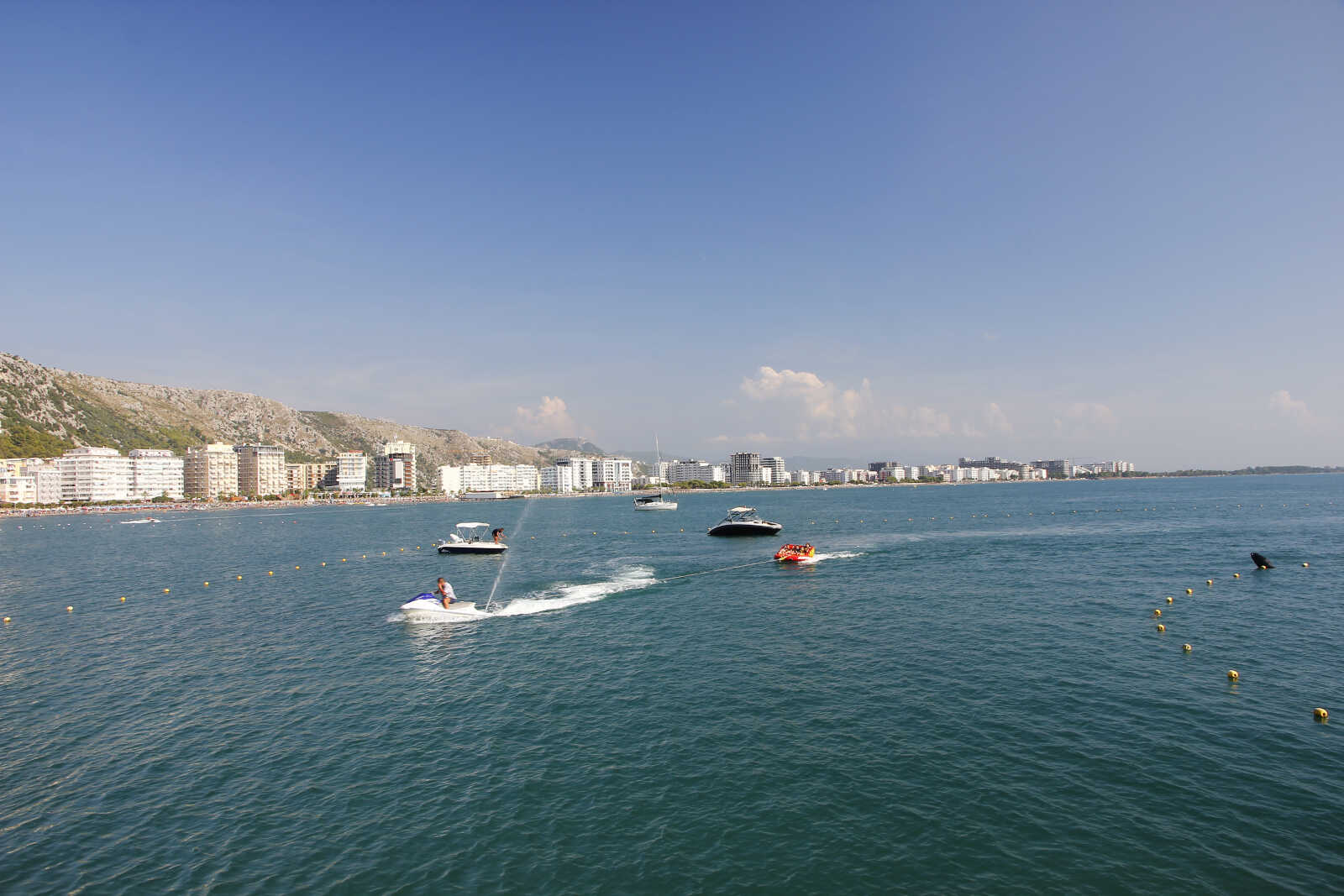
Appena dato fonda prepariamo il tender e mi dirigo allo Yacht club: un bar/noleggio moto d’acqua piazzato nel mezzo del molo foraneo del porto dove ho appuntamento con l’agente. In sua vece arriva il figlio (con amico al seguito) che mi offre una birra mentre compiliamo i moduli. Parliamo in inglese ma appena viene nominata la mia nazionalità l’amico comincia a parlarmi in italiano (con accento milanese). La situazione è un po' surreale ma è un primo assaggio dell' ospitalità albanese che impareremo ad apprezzare durante il nostro soggiorno in questo meraviglioso Paese.
Rimaniamo d'accordo che ci verranno forniti i documenti di navigazione per l’indomani.
Shengjin è un posto strano: nell’angolo più a nord della baia si trova il porto militare (in cui tra l'altro si trova anche il centro di smistamento per migranti voluto dal governo di destra italiano: già chiuso e in disuso). Poi c'è il porto commerciale da dove partono i pescherecci che operano nelle pescose acque antistanti questo tratto di costa ricco di estuari. Da qui in poi si sviluppa una serie di palazzoni di recente costruzione, compressi tra la spiaggia e le ripide e brulle colline retrostanti. Non c'è un centro vero e proprio. La speculazione edilizia è forse la prima cosa che balza all'occhio: in tutta l’Albania si sta costruendo all’impazzata come se si stesse vivendo un boom economico. Purtroppo l’impatto a livello paesaggistico è enorme. Per di più tante palazzine restano incompiute e ci hanno detto che spesso corruzione e infiltrazioni mafiosi sono un grosso problema del settore.
Oltre alla pesca, Shengjin vive di turismo, specialmente kosovaro (nazione con cui hanno un forte legame essendo i Kosovari per la maggior parte di etnia albanese).
Il giorno dopo le nostre carte non sono pronte ma veniamo invitati dal nostro agente a casa sua dove veniamo accolti con bicchieri (multipli) di Raki, un distillato albanese che ricorda molto la grappa come gusto. Per fortuna ci offre anche un caffè fatto alla turca. Il figlio deve aver pasticciato qualcosa perché ricompiliamo gli stessi documenti anche con l'agente senior.
Sono le undici e mezza di mattina e una volta finito ci ritroviamo un po' brilli a camminare per la città che sembra così diversa da tutti i posti in cui siamo stati finora, tra fisionomie diverse, suoni di una lingua e di musiche a noi nuove (abbiamo anche beccato il corteo di macchine di un matrimonio con musica tradizionale e bandiere albanesi ad accompagnare il classico concerto di clacson), insegne di ristoranti con specialità locali a noi sconosciute, contrasti tra palazzi moderni e aree trasandate pochi passi più avanti, cani randagi, puzze e profumi…e nonostante tutto è una bella sensazione e siamo felici di essere qui.
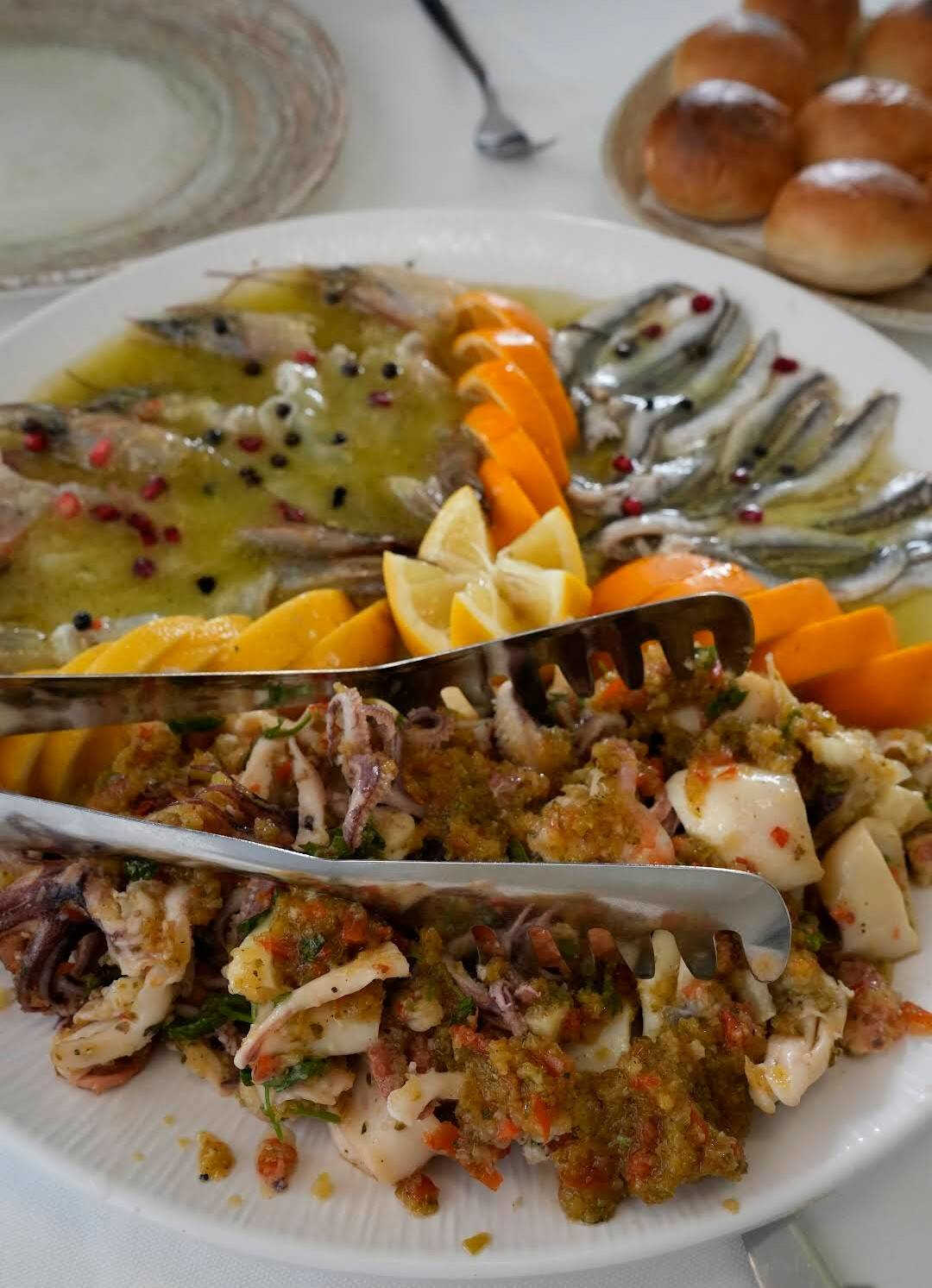
La sera ci regaliamo con una cena di pesce in un ristorante consigliatoci dall’agente: già dopo l'antipasto di pesce crudo e marinato siamo pieni. Era dalla nostra esperienza chioggiotta che non mangiavamo del pesce così buono!
Per digerire facciamo una passeggiata e vediamo la movida notturna dal vivo.
Ogni notte quando cala il vento si fa sentire un’onda lunga che fa ballare la barca ma legando una cima dalla catena dell'ancora alla poppa riusciamo a orientare la prua alle onde permettendoci di dormire bene..almeno finché non gira il vento e bisogna alzarsi per riaggiustare il tutto.
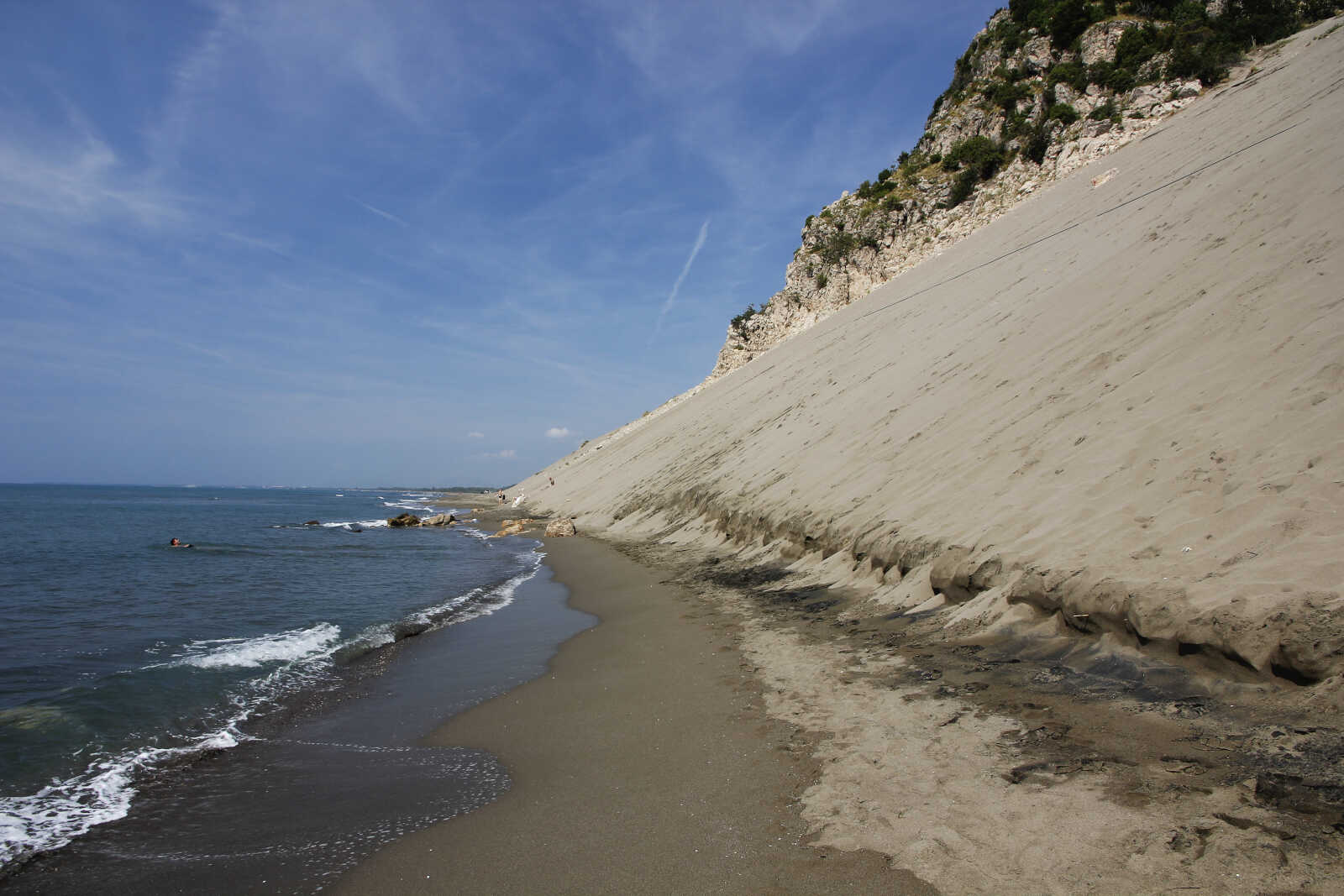
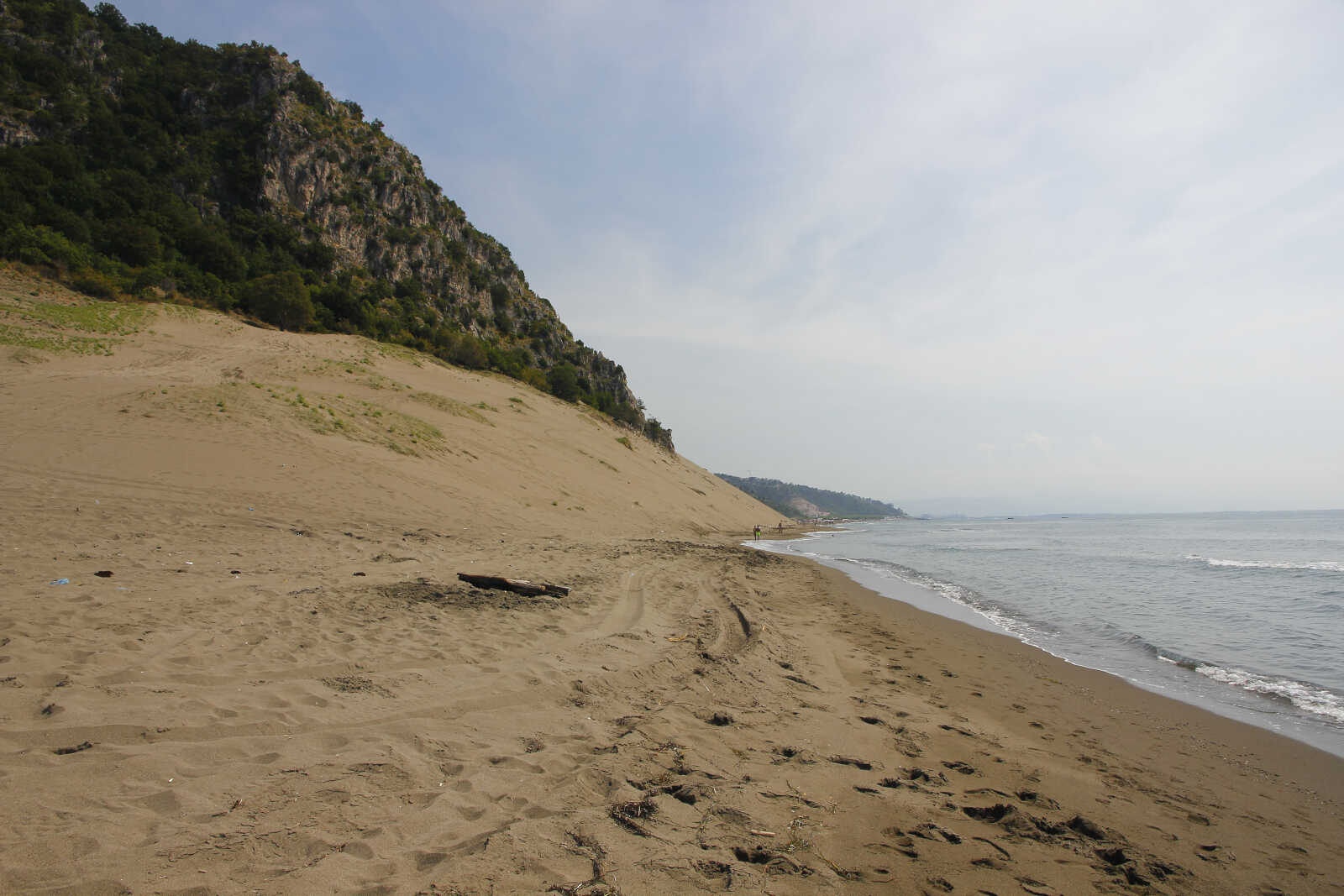
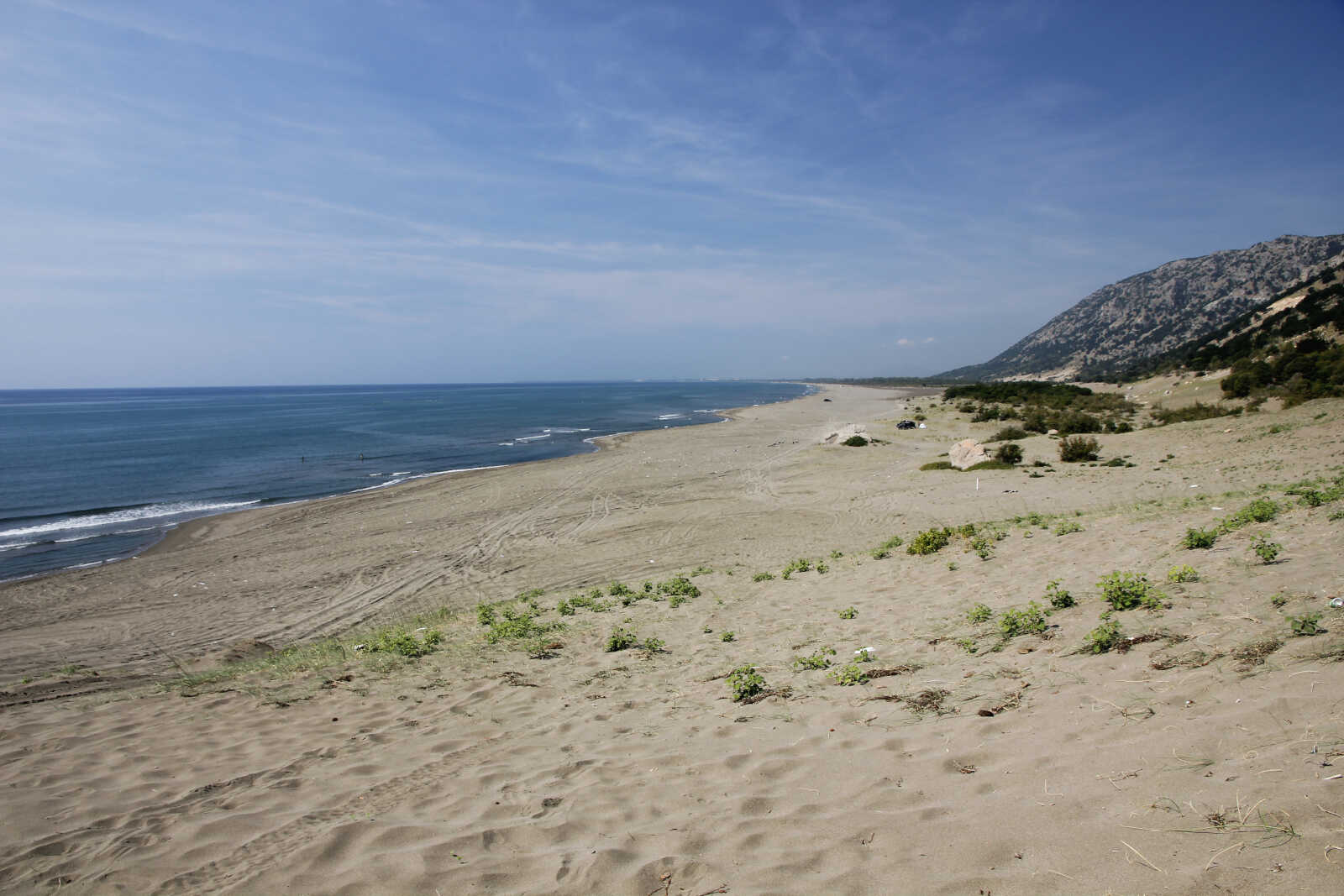
Il giorno successivo facciamo una passeggiata di un paio d'ore per andare a vedere la spettacolare spiaggia di Rana e Hedun: qui delle altissime dune finiscono direttamente in mare creando un paesaggio che non abbiamo visto da nessun’altra parte.
Nel tardo pomeriggio finalmente ci vengono consegnate le carte firmate dalle autorità: siamo ufficialmente liberi di navigare in Albania!
Il 9 settembre possiamo quindi metterci per mare per coprire la quarantina di miglia che ci separano da Durres (Durazzo) dove abbiamo appuntamento con i genitori di Melani.
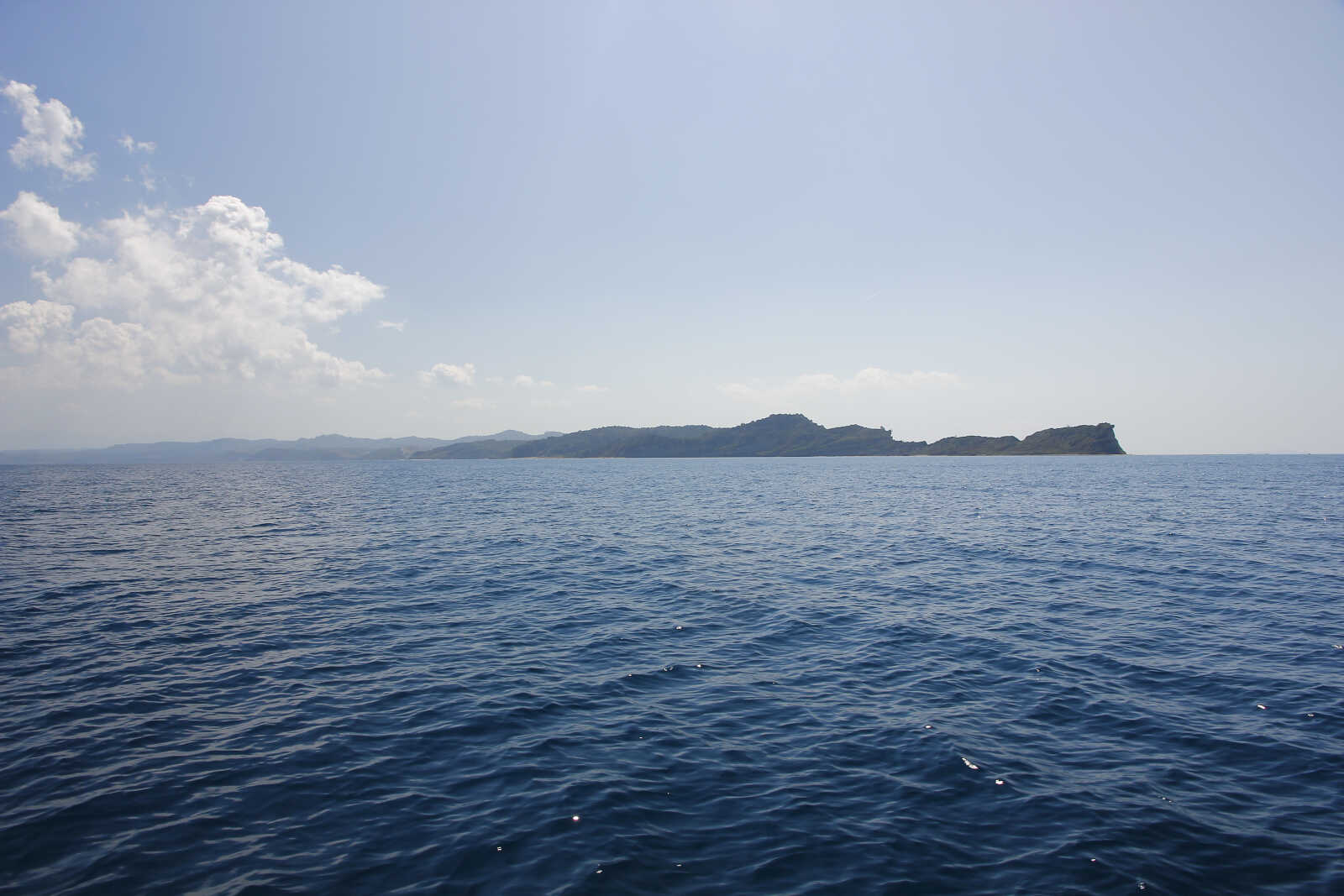
La costa tra Shengjin e Durres è completamente selvaggia per chilometri e chilometri. Lunghissime spiagge di sabbia sono interrotte da zone lagunari in corrispondenza delle foci dei fiumi Drin e Mat. La costa è bassa e le varie catene di montagne in lontananza sembrano fatte con gli acquerelli.
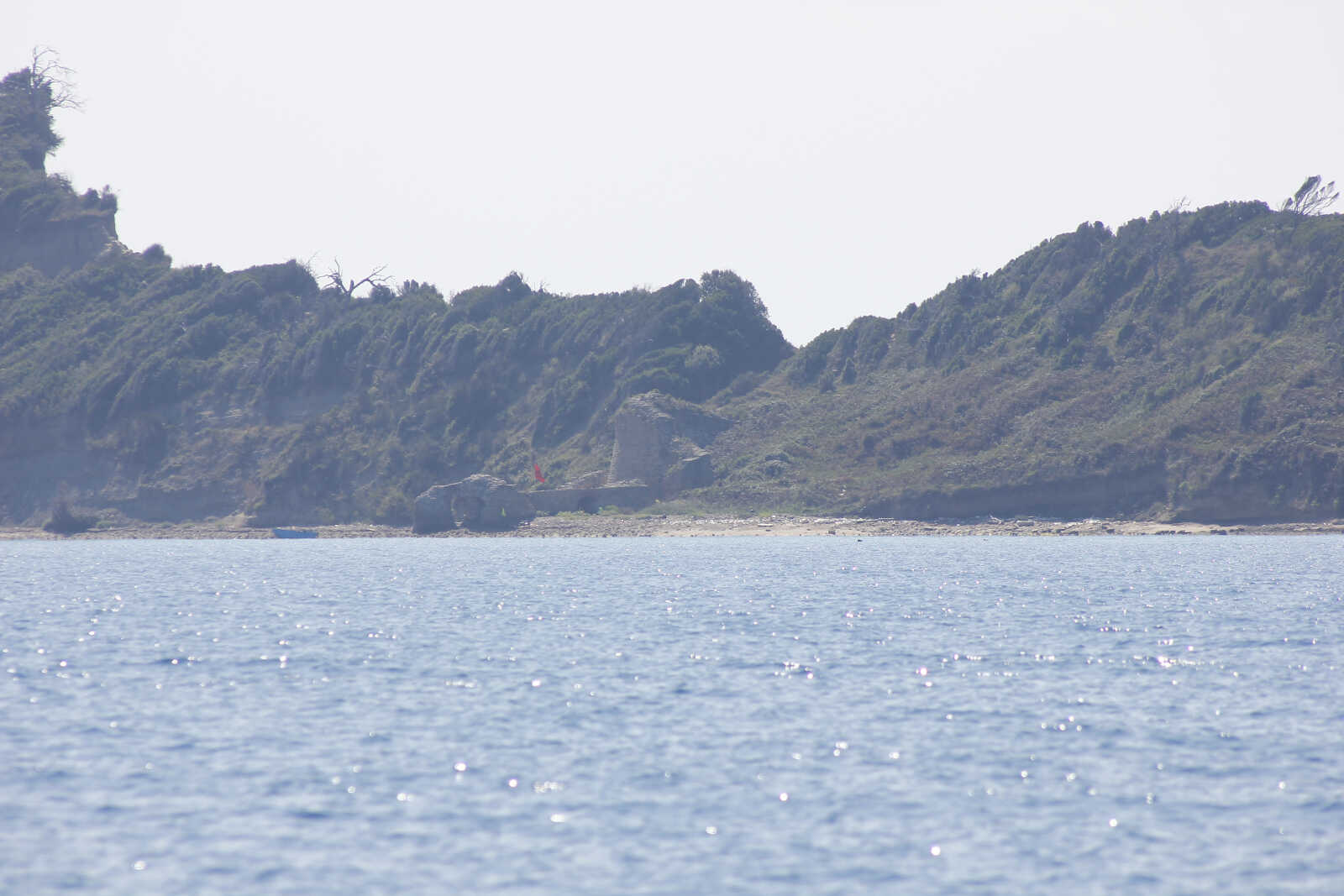
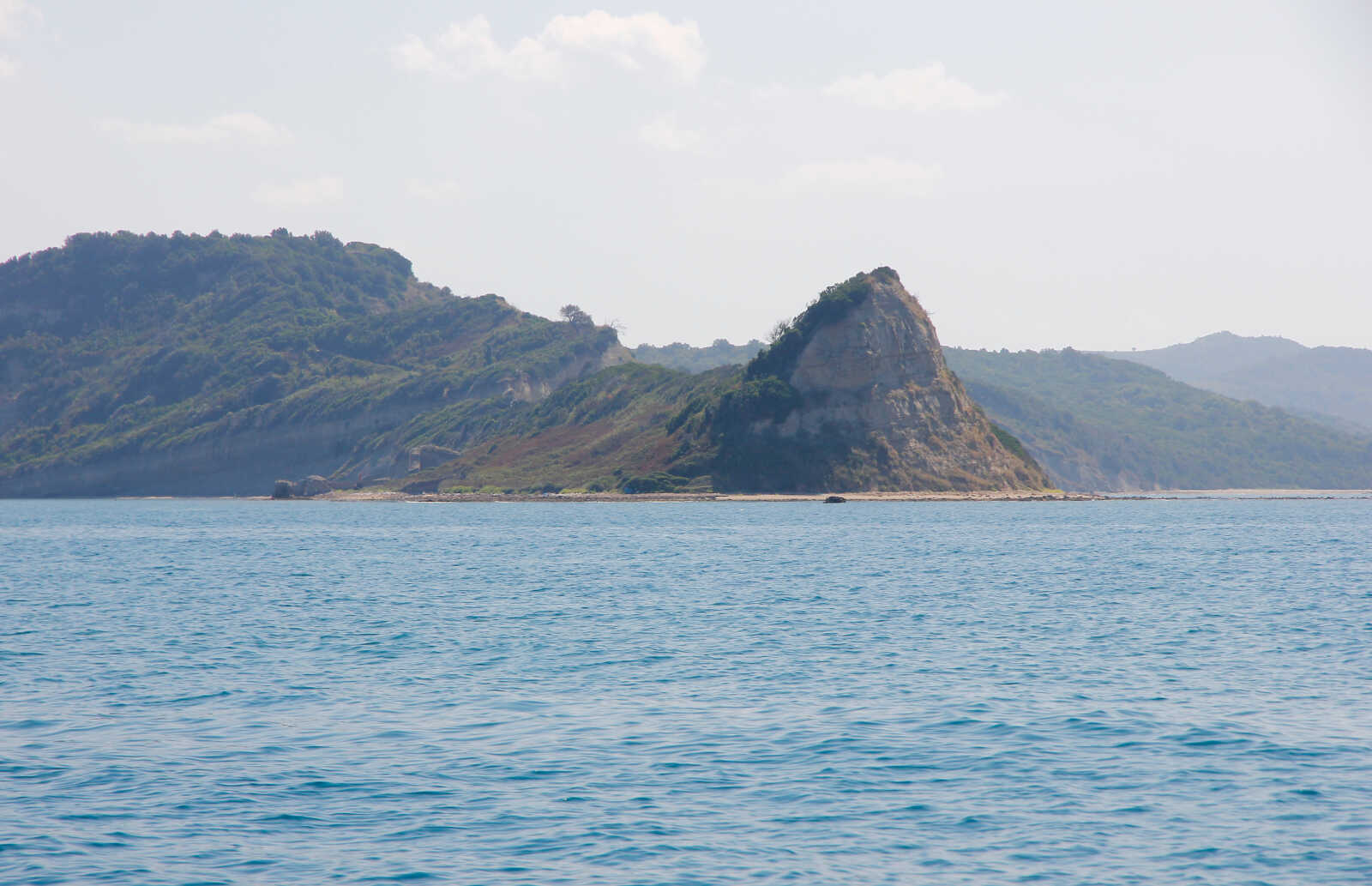
Poi c’e capo Rodoni che si innalza con le sue falesie dorate e i resti di uno dei castelli di Skandeberg, un eroe nazionale albanese.
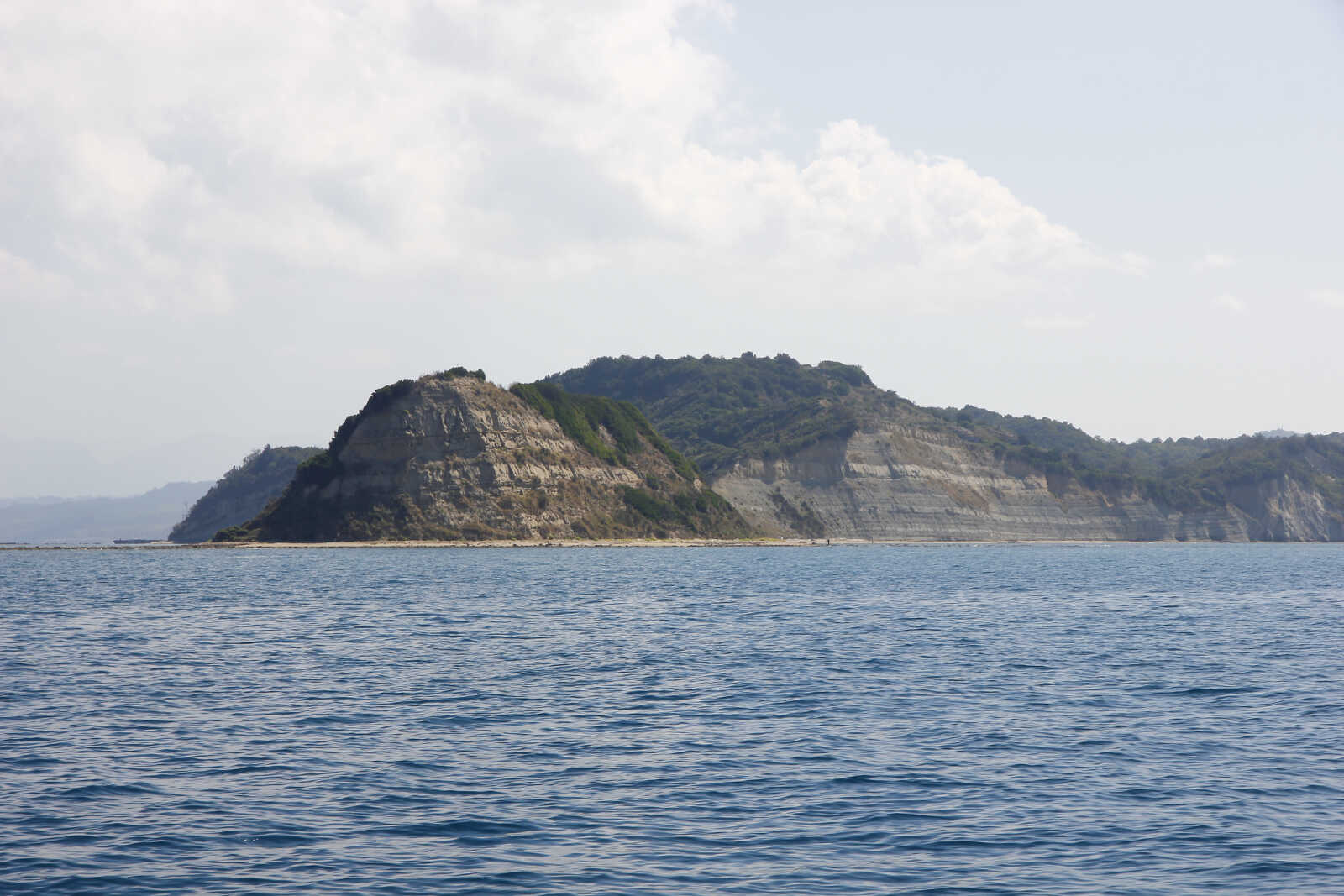
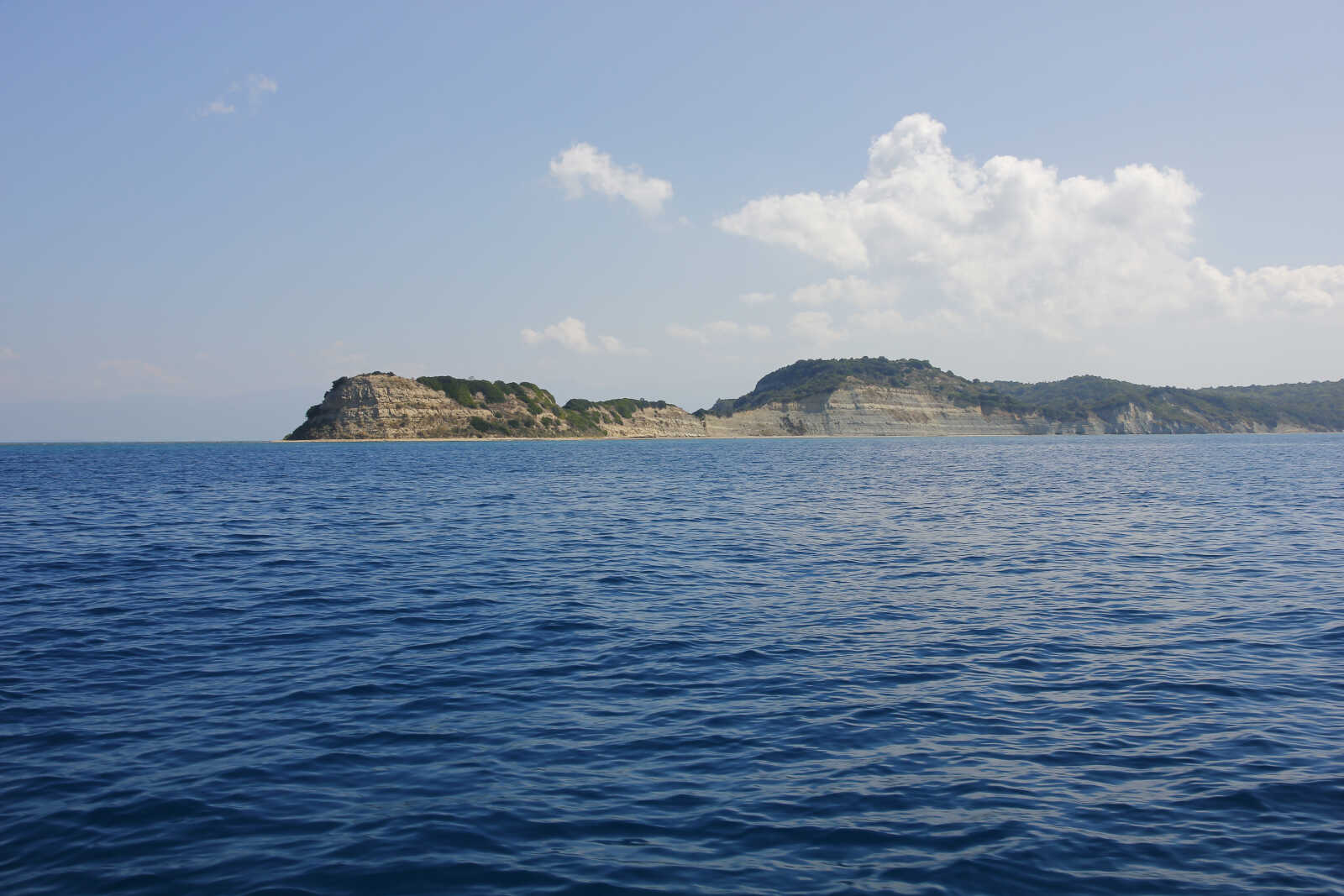
Passato capo Pali veniamo contattati via radio dalla guardia costiera albanese che ci da indicazione di passare alla loro poppa. Solo che non sono visibili sull’AIS e ci sono diverse navi in zona. Chiediamo chiarimenti e finalmente capiamo il motivo della loro richiesta: stanno facendo da scorta a una gigantesca nave da guerra americana che sta manovrando in zona e dobbiamo mantenere una distanza di sicurezza di un miglio. Comunichiamo la nostra rotta e riceviamo conferma di poter continuare, ma la nave americana vira verso di noi: la situazione diventa un po' stressante perché vediamo diminuire la nostra distanza fino a mezzo miglio e non riusciamo a rispettare la richiesta della Guardia Costiera vista la differenza di velocità che abbiamo e ci aspettiamo un rimprovero da un momento all’altro. Meno male non succede nulla e possiamo tornare a veleggiare tranquilli.
Durres è ormai in vista.
All’interno del grande porto commerciale di Durres, il più grande dell’Albania, di fianco al terminal dei traghetti è riservato un pezzo di banchina per le imbarcazioni da diporto: siamo fortunati a riuscire a prenotare l’ultimo posto visto che c'è del maltempo in arrivo con vento da sud che rende impossibile stare all’ancora. Quando siamo nell'ufficio del marina assistiamo alla chiamata di un diportista disperato alla ricerca di un ormeggio. Ci viene un po' male a pensare di essere al suo posto e siamo ancora più contenti di aver chiamato con qualche giorno di anticipo e aver trovato posto.
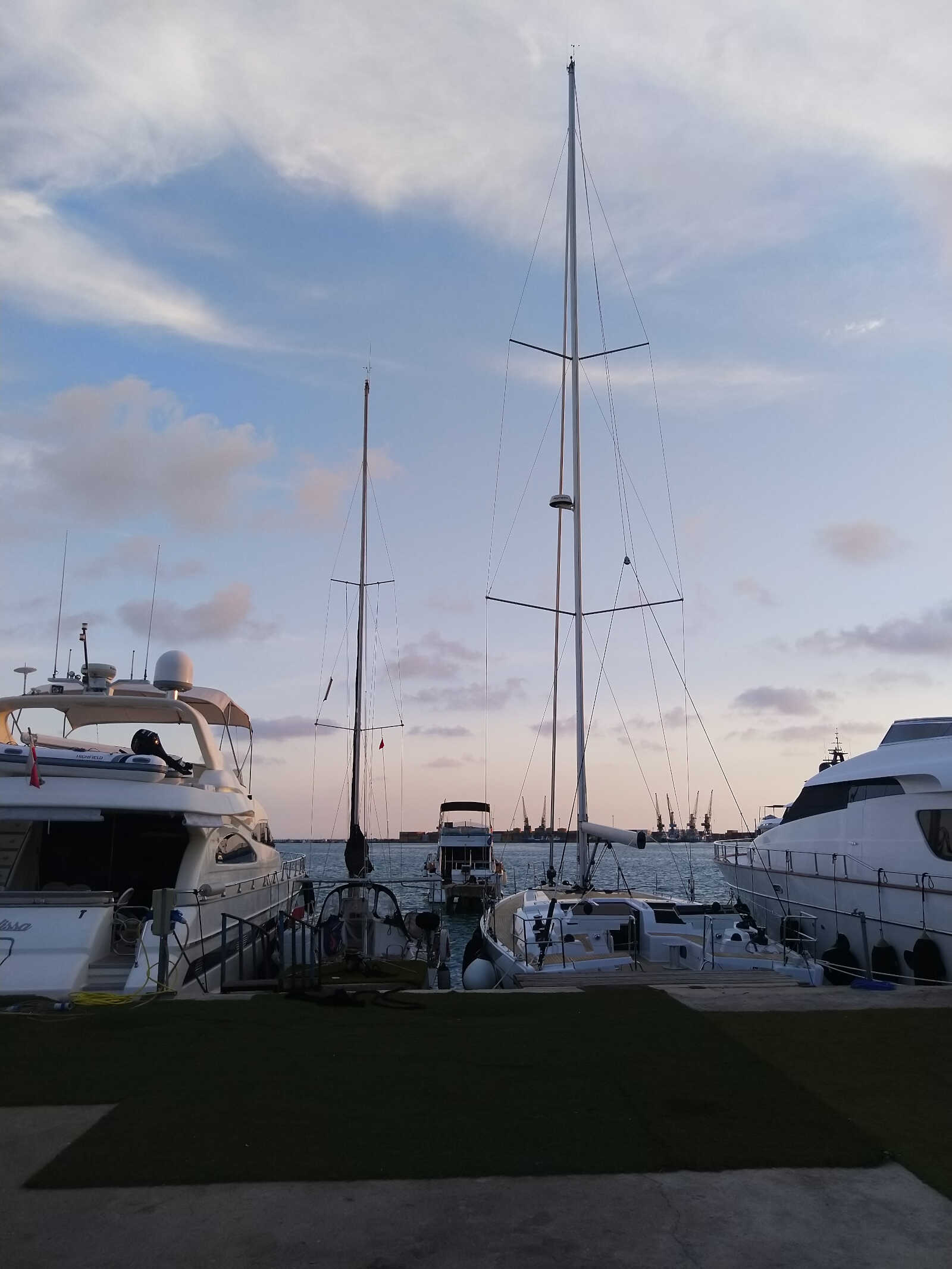
Meno male la piccola Lilith ci sta giusta giusta tra i due enormi yacht e, nonostante l’alta banchina richieda dei bei salti per salire e scendere, l'acqua del porto non sia proprio profumata e il bagno sia in un container, non ci pesa minimamente visto che non vediamo l'ora di conoscere la città, cogliere l'occasione per passare del tempo con Nives e Luciano ed esplorare l'entroterra dell'Albania durante questa settimana un po' diversa dal solito.
Arriving in Albania (September)
29 Nov, 2025
We arrived as scheduled in Shengjin in the afternoon. The entry procedures require the use of an agent and fortunately we could agree to carry out everything from the anchorage without having to enter the commercial port.
Albania is not yet equipped for nautical tourism: to date there is only one marina in Orikum, otherwise there are few berths for pleasure yachts in the commercial ports with all the inconveniences that this entails: very high docks, fenders for large boats, being in the middle of ferries and commercial ships, not having toilets, etc. A coastline that, especially in the northern part, offers very few protected anchorages, makes cruising in these waters even more complicated.
As soon as we anchored, we prepared the tender and I headed to the Yacht Club: a bar/jet ski rental located in the middle of the outer pier where I had an appointment with the agent. In his place came his son (with a friend in tow) who offered me a beer while we filled out the forms. We spoke in English but as soon as my nationality was mentioned the friend began to talk to me in Italian (with a Milanese accent). The situation was a bit surreal but it was a first taste of Albanian hospitality that we would learn to appreciate during our stay in this wonderful country.
We agreed that we would be provided with the navigation documents the following day.
Shengjin is a strange place: in the northernmost corner of the bay is the military port (where, by the way, there is also the migrant sorting center wanted by the Italian right-wing government: already closed and disused). Then there is the commercial port base for the fishing boats: this stretch of coast is rich of fish because of all the estuaries. From here on, a series of recently built buildings develop, compressed between the beach and the steep and bare hills behind. There is no real city centre. Building speculation is perhaps the first thing that catches the eye: all over Albania there are big buildings under construction as if it were experiencing an economic boom. Unfortunately, the impact on the landscape is huge. Moreover, many buildings remain unfinished and locals told us that corruption and mafia infiltration are a big problem.
In addition to fishing, Shengjin lives from tourism, especially Kosovar (a nation with which they have a strong link being Albanians the largest ethnic group in Kosovo).
The next day our papers were not ready but we got invited by our agent to his house where we were greeted with (multiple) glasses of Raki, an Albanian distillate that tastes very similar to grappa. Luckily, he also offered us a Turkish coffee. The son must had messed something up because we filled out again the same forms with the senior agent.
When we finished, it was half past eleven in the morning and we found ourselves walking a bit drunk through the city that seemed so different from all the places we had been so far: different faces, different language and music new to us (we caught the procession of cars of a wedding with traditional music and Albanian flags to accompany the classic horn concert), signs of restaurants with local specialties we never heard of, contrasts between modern buildings and abandoned areas a few steps ahead, stray dogs, smells and scents...and despite everything it was a good feeling and we were happy to be there.
In the evening we treated ourselves to dinner in a fish restaurant recommended by the agent: already after the raw and marinated starters we were full. It was from our experience in Chioggia that we did not eat such good fish!
To digest, we took a walk to have a look at the nightlife.
Every night when the wind went down a long swell made the boat roll but by attaching a line from the anchor chain to the stern we could orient the bow to the waves and that allowed us to sleep well...at least until the wind would turn and I had to get up to readjust everything.
The next day we took a walk of a couple of hours to see the spectacular beach of Rana and Hedun: here some very high dunes end directly in the sea creating a landscape that we have not seen anywhere else.
In the late afternoon we finally got the papers signed by the authorities: we were officially free to sail in Albania!
On 9 September we could then set sail to cover the 40ish miles that separated us from Durres where we had an appointment with Melani's parents.
The coastline between Shengjin and Durres is completely wild for miles and miles. Very long sandy beaches are interrupted by lagoon areas at the mouths of the Drin and Mat rivers. The coastline is low and the various mountain ranges in the distance look like they were made with watercolors.
Then there is Rodoni Cape which rises with his golden cliffs and the remains of one of Skandeberg's castles, an Albanian national hero.
Past Pali Cape we were contacted by radio by the Albanian coast guard who told us to pass to their stern. But they were not visible on the AIS and there were several ships in the area. We asked for clarification and finally understood the reason for their request: they were escorting a giant American warship that was maneuvering in the area and we must maintain a safe distance of one mile. We communicated our route and received confirmation that we were fine, but the American ship veered towards us: the situation became a bit stressful because we saw our distance decreasing by up to half a mile and we could not comply with the request of the Coast Guard given the difference in speed that we had and we expected a reprimand at any moment. Luckily it did not come and we could continue our sail safely.
Durres was almost in sight.
Inside the large commercial port of Durres, the largest in Albania, next to the ferry terminal there is a portion of dock dedicated to pleasure boats: we were lucky to book the last place since there was bad weather coming in with a southerly wind that would had made impossible to stay at anchor. When we were in the marina office we witnessed the call of a desperate yachtsman looking for a mooring. It was a bit upsetting to think that it could have been us and we were even happier to have called a few days in advance and that we could find a place.
Luckily, little Lilith fitted right between two huge yachts and, despite the high dock requiring some nice jumps to get on and off, the port water not being the cleanest and the bathroom being in a container, it did not weigh us down at all since we could not wait to get to know the city, take the opportunity to spend time with Nives and Luciano and explore the hinterland of Albania during this week a little different from usual.